
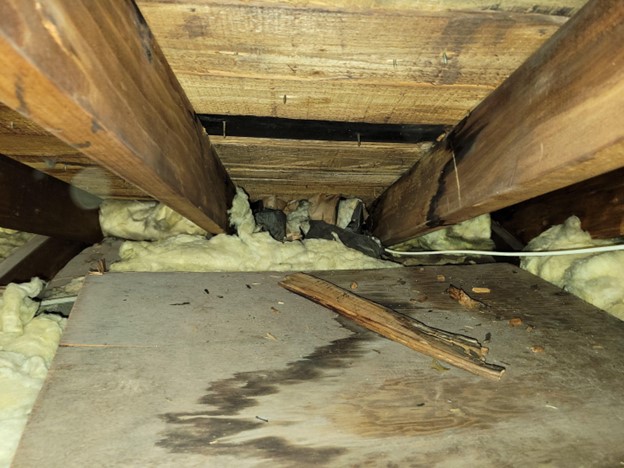
Inside Attic Spaces in Cocoa: A Closer Look at Structural Dryouts
Attics in Cocoa take a beating.
Between intense summer heat, coastal humidity, heavy rainstorms, and occasional tropical systems pushing in from the Atlantic, attic spaces along the Space Coast are constantly exposed to moisture pressure. Most homeowners rarely enter their attic unless there’s a roof issue — and by then, moisture may have been building up for weeks.
Structural dryouts inside attic spaces are not just about drying insulation. They are about protecting roof framing, ceiling materials, and the long-term integrity of the home.
In Cocoa’s climate, attic moisture should never be ignored.
How Moisture Enters Attic Spaces in Cocoa
Attics don’t have to flood to develop moisture problems.
Common entry points include:
• Wind-driven rain through roof vents
• Minor shingle or flashing failures
• Damaged soffits
• Hurricane-related roof stress
• AC duct condensation
• Improperly sealed attic penetrations
Even small leaks can dampen insulation and wooden trusses quickly.
Because attic temperatures in Cocoa can exceed 120 degrees during summer, homeowners often assume moisture will dry naturally.
That assumption is risky.
High heat does not automatically mean effective drying — especially in humid coastal air.
Why Cocoa Attics Stay Wet Longer Than Expected
Cocoa’s proximity to the Atlantic and Indian River Lagoon means outdoor humidity often remains elevated — even after rain stops.
This affects attic drying in several ways:
• Humid air entering through vents slows evaporation
• Salt-laden air increases material deterioration
• High water tables contribute to overall indoor humidity
• AC duct systems introduce temperature differences that create condensation
When insulation becomes saturated, it acts like a sponge. Moisture trapped inside insulation can remain for extended periods.
Wood framing absorbs that moisture and holds it.
Without intervention, mold growth can begin within days.
Early Warning Signs of Attic Moisture Problems
Attic issues don’t always reveal themselves immediately.
Homeowners in Cocoa may notice:
• Musty odors inside living spaces
• Ceiling stains forming slowly
• Warping drywall
• Increased indoor humidity
• AC running longer than usual
By the time staining appears inside the home, attic materials may already have elevated moisture content.
That’s when structural dryouts become necessary.
What a Structural Dryout in an Attic Involves
Structural dryouts are controlled processes designed to remove moisture from building materials safely and efficiently.
In attic spaces, this typically includes:
• Moisture meter testing of framing and sheathing
• Thermal imaging to locate hidden damp areas
• Removal of saturated insulation
• Installation of commercial-grade dehumidifiers
• Placement of air movers to circulate air across trusses
• Monitoring moisture levels daily
The goal is to restore wood and structural components to safe moisture thresholds before rebuilding or reinstalling insulation.
Drying must be measured — not guessed.
The Insulation Challenge
One of the biggest complications in attic dryouts is insulation.
Blown-in insulation absorbs moisture quickly and dries very slowly.
If insulation remains damp:
• It loses R-value (insulating performance)
• It traps moisture against roof decking
• It promotes microbial growth
• It can sag or compress
In many Cocoa homes, saturated insulation must be removed before structural drying can be effective.
Leaving wet insulation in place delays the entire process.
Ductwork and Condensation Complications
In many homes throughout Cocoa, HVAC ductwork runs through the attic.
When ducts carry cool air through extremely hot attic spaces, condensation can form on duct exteriors — especially if insulation around the ducts is damaged.
If attic humidity is already elevated, condensation increases.
This leads to:
• Dripping onto ceiling drywall
• Mold growth on duct insulation
• Odors entering living spaces
• Reduced system efficiency
During a structural dryout, duct integrity must also be inspected.
Drying the framing without addressing duct condensation creates repeat issues.
Why Fans Alone Don’t Work
Homeowners sometimes attempt DIY drying by placing box fans in attic spaces.
While airflow is important, fans alone are not sufficient.
Without dehumidification:
• Moisture simply circulates
• Humidity levels remain elevated
• Evaporation slows
• Mold risk persists
Structural dryouts rely on coordinated airflow and moisture removal.
Air movers increase evaporation, while dehumidifiers extract moisture from the air.
Both must work together.
Monitoring Is Critical
One of the most overlooked aspects of attic dryouts is monitoring.
Professional drying teams track:
• Wood moisture content
• Ambient humidity levels
• Temperature conditions
• Drying progression over time
Stopping too early leaves residual moisture in framing.
Reinsulating or closing the attic before moisture levels stabilize can trap humidity and lead to future problems.
Companies like Inspections and More FL approach attic moisture in Cocoa homes methodically, verifying dryness before reconstruction.
Post-Storm Attic Risks in Cocoa
After hurricanes or heavy tropical storms, attic spaces deserve close attention.
Wind-driven rain can enter even when shingles appear intact. Salt spray may accelerate corrosion of fasteners and metal components.
Even small intrusions can dampen roof decking.
Scheduling a post-storm attic inspection helps catch moisture early — before mold develops.
Prevention is far less disruptive than remediation.
Long-Term Moisture Prevention in Attics
After a structural dryout, preventing recurrence is the priority.
Homeowners in Cocoa can reduce attic moisture risk by:
• Inspecting roofing annually
• Replacing damaged shingles promptly
• Sealing attic penetrations properly
• Ensuring soffit and ridge vents function correctly
• Servicing HVAC systems regularly
• Monitoring indoor humidity levels
Humidity control inside the home supports attic conditions above.
Stable indoor environments reduce condensation cycles.
Why Local Experience Matters in Cocoa
Attic moisture behavior in Cocoa differs from inland cities like Sanford.
Coastal humidity cycles, salt air exposure, and frequent storm activity create unique stress on roofing systems and attic ventilation.
Professionals familiar with:
• Cocoa’s common roof designs
• Typical attic insulation layouts
• Coastal moisture patterns
• HVAC configurations common in Brevard County
can diagnose attic moisture accurately and implement targeted drying strategies.
Localized experience reduces unnecessary demolition while ensuring no damp areas are missed.
A Practical Next Step
If you suspect attic moisture in your Cocoa home — whether from a recent storm, roof leak, or AC condensation — early inspection is essential.
Structural dryouts protect the framing and sheathing that hold your home together.
Ignoring attic moisture allows small issues to expand quietly overhead.
In Cocoa’s humid climate, controlled drying isn’t optional after water intrusion.
It’s what prevents long-term structural damage and indoor air quality concerns.
