
How Moisture Detection Protects Properties in Palm Bay in Older Florida Homes
Older homes in Palm Bay have character. Mature trees. Solid block construction. Established neighborhoods that have been standing for decades.
But many of these homes were built long before modern moisture control standards became common. And in Florida’s humid climate, that matters.
Between heavy rainstorms, high water tables, aging roofs, and decades of AC use, older Palm Bay properties are especially vulnerable to hidden moisture issues. The good news? Early moisture detection can prevent expensive structural repairs and recurring mold problems.
The key is finding moisture before it becomes visible damage.
Why Older Palm Bay Homes Face Higher Risk
Palm Bay experiences frequent summer thunderstorms, occasional tropical systems, and year-round humidity. In older subdivisions throughout the city, building materials may already show wear.
Common vulnerabilities in older homes include:
• Aging roof flashing
• Settling foundations
• Outdated vapor barriers
• Worn window seals
• Original plumbing lines
• Duct systems running through hot attics
Even minor deterioration in these areas can allow water intrusion.
And in Florida, moisture doesn’t need much time to cause problems.
How Moisture Spreads Quietly
One of the biggest challenges in older homes is that moisture rarely stays where it starts.
A small roof leak can travel down framing inside walls. A slow plumbing drip may dampen subflooring long before stains appear. Condensation around AC ducts can drip behind drywall without visible signs.
In Palm Bay’s humid environment, materials absorb moisture and hold it.
It spreads through:
• Drywall via capillary action
• Wood framing
• Insulation cavities
• Subfloor layers
• Concrete slab expansion joints
By the time visible damage appears, the moisture path may extend well beyond the original source.
Early Signs Homeowners Often Miss
Older Florida homes sometimes “settle” in ways that mask moisture issues.
Homeowners may dismiss:
• Slight musty odors
• Minor baseboard discoloration
• Small areas of paint bubbling
• Slightly warped door frames
• Persistent humidity indoors
These subtle signs often indicate elevated moisture levels behind walls or beneath flooring.
Moisture detection identifies the issue before structural damage escalates.
The Slab Foundation Factor
Many older Palm Bay homes are built on slab foundations.
Over time, vapor barriers beneath slabs can deteriorate. When heavy rain raises the water table, moisture may migrate upward through concrete.
Homeowners may notice:
• Damp-feeling tile floors
• Darkened grout lines
• Warping laminate
• Musty smells near baseboards
Without moisture detection tools, it’s difficult to confirm whether slab vapor transmission is occurring.
Replacing flooring without addressing slab moisture leads to recurring damage.
Detection prevents repeat repairs.
Crawl Spaces in Older Homes
While many properties are slab-built, some older homes in Palm Bay include crawl spaces.
These areas often lack modern vapor barriers or encapsulation systems.
Over decades, crawl spaces may develop:
• Elevated humidity
• Surface mold on joists
• Damp insulation
• Condensation on ductwork
Moisture detection in crawl spaces protects both the structure below and the living space above.
Humidity rising from below often affects indoor air quality without homeowners realizing the connection.
HVAC and Condensation Issues
Air conditioning systems in older Palm Bay homes frequently run through unconditioned attics.
As systems age:
• Duct insulation may degrade
• Condensate lines may clog
• Air handlers may sweat excessively
• Drain pans may rust
Condensation-related moisture can travel behind ceilings and walls.
Moisture detection helps pinpoint AC-related issues before they trigger widespread damage.
Ignoring condensation allows small problems to compound.
What Professional Moisture Detection Involves
Proper moisture detection is not guesswork.
In older Palm Bay homes, assessment may include:
• Moisture meter readings in walls and flooring
• Pin testing of wood framing
• Thermal imaging scans
• Indoor humidity measurements
• Attic inspections
• Crawl space evaluation
• Slab moisture testing
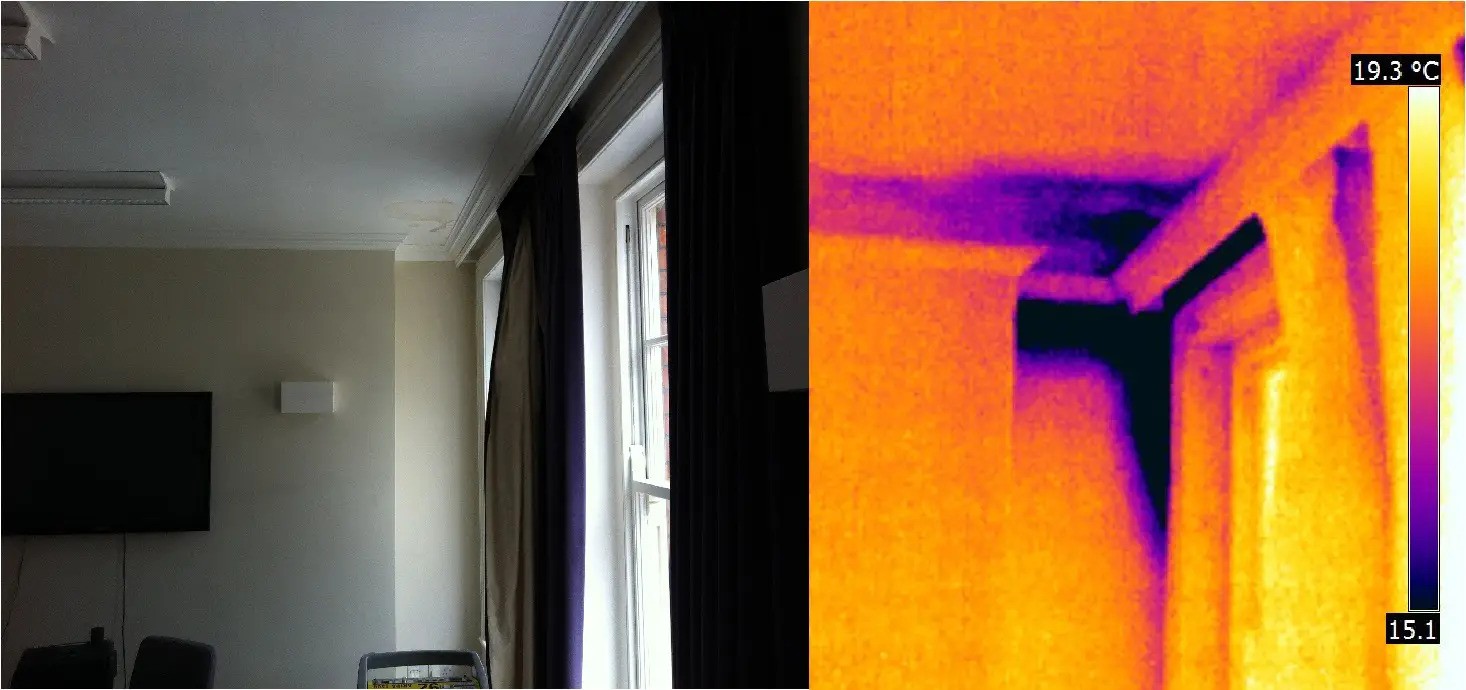
Thermal imaging often reveals hidden damp areas that appear normal visually.
Companies like Inspections and More FL use structured moisture mapping to trace how far water has traveled and identify the source.
This prevents unnecessary demolition while ensuring affected materials aren’t overlooked.
Why Early Detection Saves Money
In older homes, small moisture issues can quickly evolve into structural problems.
If left undetected, prolonged moisture can cause:
• Wood rot
• Subfloor deterioration
• Drywall weakening
• Mold growth
• Insulation damage
• Corrosion of fasteners
Early detection allows targeted drying and minor repairs instead of major reconstruction.
It also reduces the likelihood of recurring mold remediation.
Prevention costs less than replacement.
Post-Storm Inspections Matter in Palm Bay
Heavy rainstorms in Palm Bay can impact older roofing systems quickly.
Even when shingles remain intact, wind-driven rain can enter through flashing gaps or aging vent seals.
Scheduling moisture detection after major storms helps confirm whether intrusion occurred.
Waiting until stains appear usually means moisture has been present for weeks.
Routine inspections protect long-term property value.
Long-Term Moisture Management in Older Homes
Moisture detection is one part of a larger strategy.
Older Palm Bay homeowners can protect their properties by:
• Monitoring indoor humidity (keeping it below 60%)
• Servicing HVAC systems regularly
• Sealing exterior penetrations
• Inspecting roofing annually
• Repairing minor plumbing leaks immediately
• Evaluating crawl spaces periodically
Humidity control supports structural health.
Stable indoor conditions reduce expansion, contraction, and material stress.
Why Local Experience Matters
Moisture behavior in Palm Bay differs from inland areas like Sanford or waterfront communities in Merritt Island.
Understanding:
• Local soil conditions
• Typical slab construction methods
• Common subdivision building styles
• Seasonal rainfall intensity
• Attic ventilation patterns
allows for faster and more accurate diagnosis.
Professionals familiar with Palm Bay’s older housing stock recognize how moisture spreads in these structures and tailor detection accordingly.
Localized knowledge prevents both overreaction and underestimation.
A Practical Next Step
If you own an older home in Palm Bay and haven’t had a moisture evaluation in years, it may be time.
Moisture detection protects properties by identifying problems early — before structural damage or mold growth develops.
Small leaks and subtle humidity shifts rarely fix themselves in Florida’s climate.
A structured inspection provides clarity, direction, and peace of mind.
In older homes especially, what you don’t see can matter most.
