
Palm Bay Homes Dealing With Mold Encapsulation in Rental Properties — What Inspections Typically Uncover
Rental properties in Palm Bay don’t get a break from humidity.
Between heavy summer rain, elevated water tables, and year-round moisture in the air, homes across Brevard County stay under constant environmental pressure. When you add tenant turnover, varying AC usage, and delayed reporting of small leaks, mold issues can develop quietly.
Mold encapsulation is sometimes recommended in rental properties after remediation — especially in crawl spaces and attic framing.
But before encapsulation is applied, inspections often uncover more than property owners expect.
Understanding what those inspections typically reveal helps landlords make informed decisions.
Why Rental Properties in Palm Bay Face Unique Challenges
Owner-occupied homes tend to have consistent maintenance habits.
Rental homes are different.
Common contributing factors include:
• AC systems set too high or turned off
• Bathroom exhaust fans rarely used
• Windows opened during humid weather
• Small plumbing leaks reported late
• Furniture blocking airflow against walls
Palm Bay’s humidity doesn’t need much help to create moisture buildup.
Over time, that moisture settles into structural areas.
Encapsulation may protect those areas — but inspections must confirm conditions first.
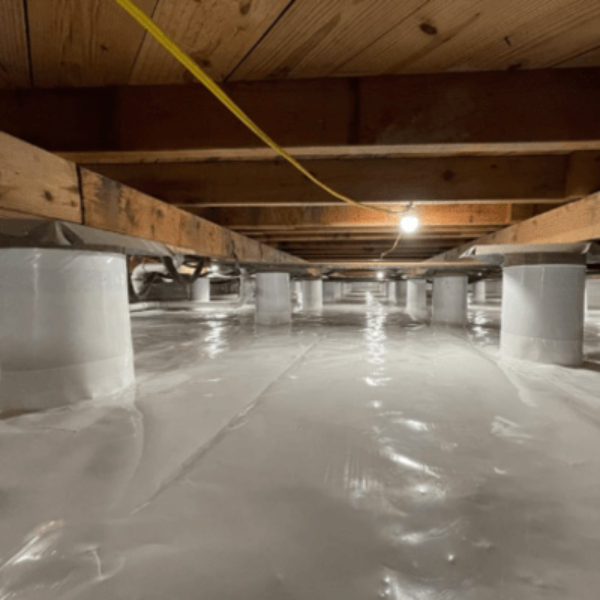
What Inspections Often Reveal in Crawl Spaces
Crawl spaces in Palm Bay rental homes are frequent problem areas.
Inspections typically uncover:
• Elevated wood moisture content
• Damp or fallen insulation
• Thin or damaged vapor barriers
• Surface mold on joists
• Condensation on ductwork
Because many crawl spaces are vented, humid outdoor air enters during the summer. When warm air hits cooler framing, condensation forms.
Tenants upstairs may only notice a musty odor.
Before encapsulation is considered, inspectors measure moisture levels and assess whether drying or vapor barrier replacement is needed.
Encapsulation without moisture correction traps the problem.
Hidden Moisture Behind Walls
In rental properties, minor plumbing leaks often go unnoticed longer than they would in owner-occupied homes.
Inspections may uncover:
• Damp drywall behind bathroom vanities
• Moisture inside kitchen cabinet bases
• Wet insulation near AC lines
• Minor roof intrusion in ceiling cavities
Thermal imaging and moisture meters often reveal hidden damp areas even when walls look normal.
Encapsulation is not applied inside wall cavities.
Instead, those areas require proper drying and, in some cases, material removal.
Skipping this step leads to recurring issues.
Attic Findings in Rental Homes
Palm Bay attics face intense heat combined with high humidity.
Inspections frequently reveal:
• Damp insulation from roof leaks
• Surface mold on trusses
• Elevated humidity due to poor ventilation
• Condensation from HVAC ductwork
Tenants rarely enter attic spaces, so small leaks may go unreported for months.
Encapsulation may be applied to cleaned framing after proper drying, but only when ventilation and roof issues are corrected first.
Otherwise, repeated humidity cycles defeat the purpose.
Slab Moisture in Older Rentals
Many Palm Bay rental homes sit on slab foundations.
After heavy rain, rising groundwater can increase slab moisture levels.
Inspections may uncover:
• Moisture wicking through flooring
• Damp baseboards
• Warped laminate
• Musty smells without visible leaks
Encapsulation is not typically used on slab surfaces, but inspectors often recommend dehumidification and moisture control measures to stabilize indoor conditions before addressing structural areas.
Without correcting slab-related humidity, mold can return elsewhere.
HVAC and Airflow Problems
Rental homes often experience inconsistent HVAC maintenance.
Inspectors commonly find:
• Clogged condensate drain lines
• Sweating air handlers
• Duct insulation deterioration
• Return air pathways pulling air from crawl spaces
These issues increase indoor humidity and distribute contaminants.
Encapsulation may protect framing, but HVAC corrections are necessary to stabilize air quality.
Companies like Inspections and More FL evaluate mechanical systems alongside structural areas to ensure moisture sources are addressed.
When Encapsulation Becomes Appropriate
After inspections and remediation, encapsulation may be recommended when:
• Structural wood has experienced prior surface mold
• Crawl space humidity has been stabilized
• Moisture sources have been corrected
• Framing remains structurally sound
• Long-term humidity exposure is likely
Encapsulation adds a protective barrier to vulnerable wood surfaces.
In Palm Bay’s climate, that extra protection can reduce recurrence in rental properties where humidity habits vary.
Why Timing and Sequencing Matter
One of the most common mistakes is applying encapsulation too early.
If framing still holds elevated moisture:
• Coatings trap humidity
• Wood may deteriorate beneath the surface
• Mold may reappear
• Odors may persist
Professional inspections confirm safe moisture thresholds before encapsulation is applied.
Verification protects both structure and landlord investment.
Preventing Repeat Issues in Rental Properties
Landlords in Palm Bay can reduce recurring problems by:
• Inspecting crawl spaces annually
• Replacing damaged vapor barriers
• Servicing HVAC systems regularly
• Monitoring indoor humidity levels
• Conducting post-storm evaluations
• Addressing minor leaks immediately
Encapsulation supports prevention — but ongoing maintenance sustains it.
Rental properties benefit from proactive oversight.
Why Local Experience Matters in Palm Bay
Moisture patterns in Palm Bay differ from coastal Merritt Island and inland Sanford.
Understanding:
• Common subdivision construction
• Typical crawl space designs
• Slab foundation behavior
• Seasonal rainfall intensity
• AC usage patterns in Florida rentals
helps professionals interpret inspection findings accurately.
Localized knowledge ensures encapsulation is used where appropriate and avoided where unnecessary.
Balanced decisions protect long-term structural integrity.
A Practical Next Step for Property Owners
If you own rental property in Palm Bay and are considering mold encapsulation, start with a comprehensive inspection.
Inspections often uncover hidden moisture sources that must be addressed before protective coatings are applied.
Encapsulation can be an effective tool — when used correctly and at the right time.
In Florida’s humid climate, moisture management is ongoing.
A structured evaluation ensures that encapsulation strengthens your property rather than masking unresolved issues.
