
In Older Florida Homes in Merritt Island: A Closer Look at Moisture Detection
Older homes in Merritt Island carry decades of history — and decades of exposure to Florida’s humidity.
From waterfront properties near Sykes Creek to established neighborhoods closer to the Indian River Lagoon, many homes built in the 1960s, 70s, and 80s were constructed long before modern moisture barriers and ventilation standards became common.
That doesn’t mean they’re failing.
It just means moisture behaves differently in them.
In Merritt Island’s coastal climate, moisture detection in older homes isn’t just helpful. It’s protective.
Why Older Homes Are More Vulnerable to Hidden Moisture
Building methods decades ago didn’t prioritize humidity control the way modern construction does.
Older Merritt Island homes often include:
• Vented crawl spaces
• Minimal vapor barriers
• Aging roof systems
• Original plumbing lines
• Ductwork running through hot attics
• Slab foundations without modern moisture membranes
Over time, repeated exposure to coastal humidity, salt air, and heavy storm cycles creates slow moisture accumulation inside structural cavities.
It’s not always dramatic.
But it adds up.
Moisture detection helps identify these slow-moving issues before they develop into structural damage or mold.
The Coastal Humidity Factor
Merritt Island sits between major waterways, and that proximity matters.
Even on clear days, outdoor humidity levels remain elevated. Salt-laden breezes move through soffit vents, attic spaces, and crawl spaces.
After rain, moisture doesn’t evaporate quickly.
Older homes absorb this humidity more easily because materials have already experienced decades of expansion and contraction cycles.
Moisture detection helps determine whether framing, insulation, and subfloor materials are holding more moisture than they should.
Crawl Spaces in Older Merritt Island Homes
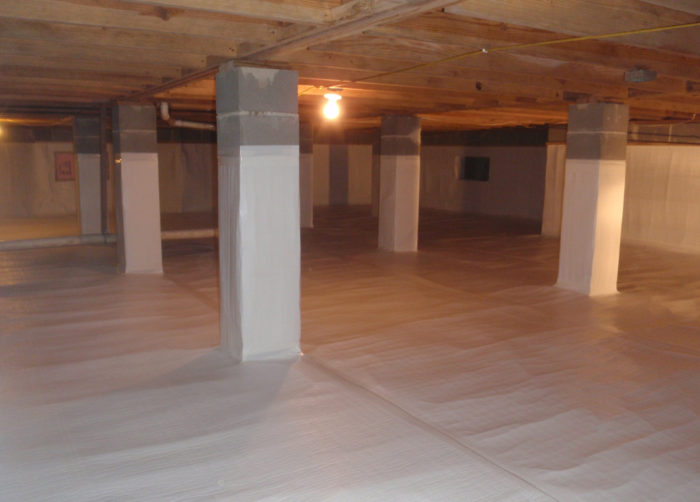
Crawl spaces are one of the most common areas where inspections uncover hidden moisture.
Many older homes were built with vented crawl spaces designed to allow “natural airflow.”
In Florida, that often means warm, humid outdoor air enters the crawl space and condenses on cooler framing.
Moisture detection in crawl spaces typically reveals:
• Elevated wood moisture content
• Damp insulation
• Surface mold beginning to form
• Thin or deteriorated vapor barriers
• Condensation on ductwork
Without detection tools, homeowners may only notice a musty odor indoors.
By the time odors appear, moisture has often been present for months.
Slab Foundations and Ground Moisture
Some older Merritt Island homes are built on slab foundations.
Over time, vapor barriers beneath slabs can deteriorate. During heavy rain or when water tables rise, moisture may migrate upward through concrete.
Signs may include:
• Damp-feeling tile floors
• Slight cupping of wood flooring
• Darkened grout lines
• Odors near baseboards
Moisture detection confirms whether slab transmission is occurring.
Replacing flooring without testing the slab often leads to recurring damage.
Attic Moisture in Aging Roof Systems
Roof systems in older homes may have been repaired or replaced multiple times.
Even minor flashing gaps can allow wind-driven rain to enter attic spaces during storms.
In Merritt Island’s humid environment, attic framing and insulation may stay damp longer than expected.
Moisture detection in attics often uncovers:
• Damp roof decking
• Elevated truss moisture levels
• Condensation from HVAC ducts
• Insulation retaining humidity
Thermal imaging helps identify temperature differences that indicate hidden damp areas.
Early detection prevents mold growth overhead.
Plumbing and AC-Related Moisture
Older plumbing systems may develop slow leaks behind walls or under sinks.
AC systems in older homes may have aging duct insulation or clogged condensate lines.
Moisture detection tools help locate:
• Damp drywall behind bathroom walls
• Moisture near kitchen cabinets
• Elevated humidity near air handlers
• Hidden condensation inside wall cavities
In Florida’s climate, small leaks rarely stay small.
Identifying them early reduces structural impact.
How Professional Moisture Detection Works
Effective moisture detection goes beyond visual inspection.
In older Merritt Island homes, professionals may use:
• Pin and pinless moisture meters
• Thermal imaging cameras
• Hygrometers to measure indoor humidity
• Crawl space inspection tools
• Slab moisture testing methods
The goal is to map moisture levels and trace the source.
Companies like Inspections and More FL often combine multiple detection methods to confirm findings before recommending remediation or structural drying.
Accuracy matters in older homes where materials may already show age-related staining.
Why Early Detection Saves Structural Integrity
When moisture remains undetected, it can gradually weaken:
• Floor joists
• Subflooring
• Roof decking
• Wall studs
• Fasteners exposed to salt air
Wood rot and mold growth develop quietly in high-humidity environments.
Early moisture detection allows targeted drying and repairs before extensive reconstruction becomes necessary.
Prevention is far less disruptive than remediation.
Storm Season Adds Extra Risk
During hurricane season and heavy summer storms, older homes are particularly vulnerable.
Even if roofing appears intact, wind-driven rain may enter through aging seals or soffit vents.
Post-storm moisture detection helps confirm whether intrusion occurred.
Waiting for visible stains often means the issue has progressed.
In Merritt Island, scheduling inspections after significant storms is a proactive step.
Long-Term Moisture Monitoring
For older homes in coastal Florida, moisture detection shouldn’t be a one-time event.
Homeowners benefit from:
• Periodic crawl space evaluations
• Attic inspections before and after storm season
• Monitoring indoor humidity year-round
• Checking plumbing connections annually
• Evaluating slab moisture before flooring replacements
Humidity cycles are ongoing in Merritt Island.
Monitoring supports structural longevity.
Why Local Experience Matters
Moisture behavior in older Merritt Island homes differs from inland areas like Sanford or even nearby Palm Bay.
Understanding:
• Waterfront exposure patterns
• Historic building materials
• Typical crawl space layouts
• Salt air effects on framing
• Seasonal humidity fluctuations
allows professionals to interpret moisture readings accurately.
Localized experience ensures small issues aren’t dismissed — and harmless staining isn’t overestimated.
Balanced evaluation protects both structure and budget.
A Practical Next Step for Older Homes
If you own an older home in Merritt Island and notice musty odors, elevated humidity, or subtle structural changes, a professional moisture evaluation can provide clarity.
Moisture detection isn’t about finding problems where none exist.
It’s about identifying hidden vulnerabilities before they escalate.
In Florida’s coastal climate, what you don’t see can matter most.
With proper detection and monitoring, older homes can remain strong, stable, and protected against decades more of humidity cycles.
