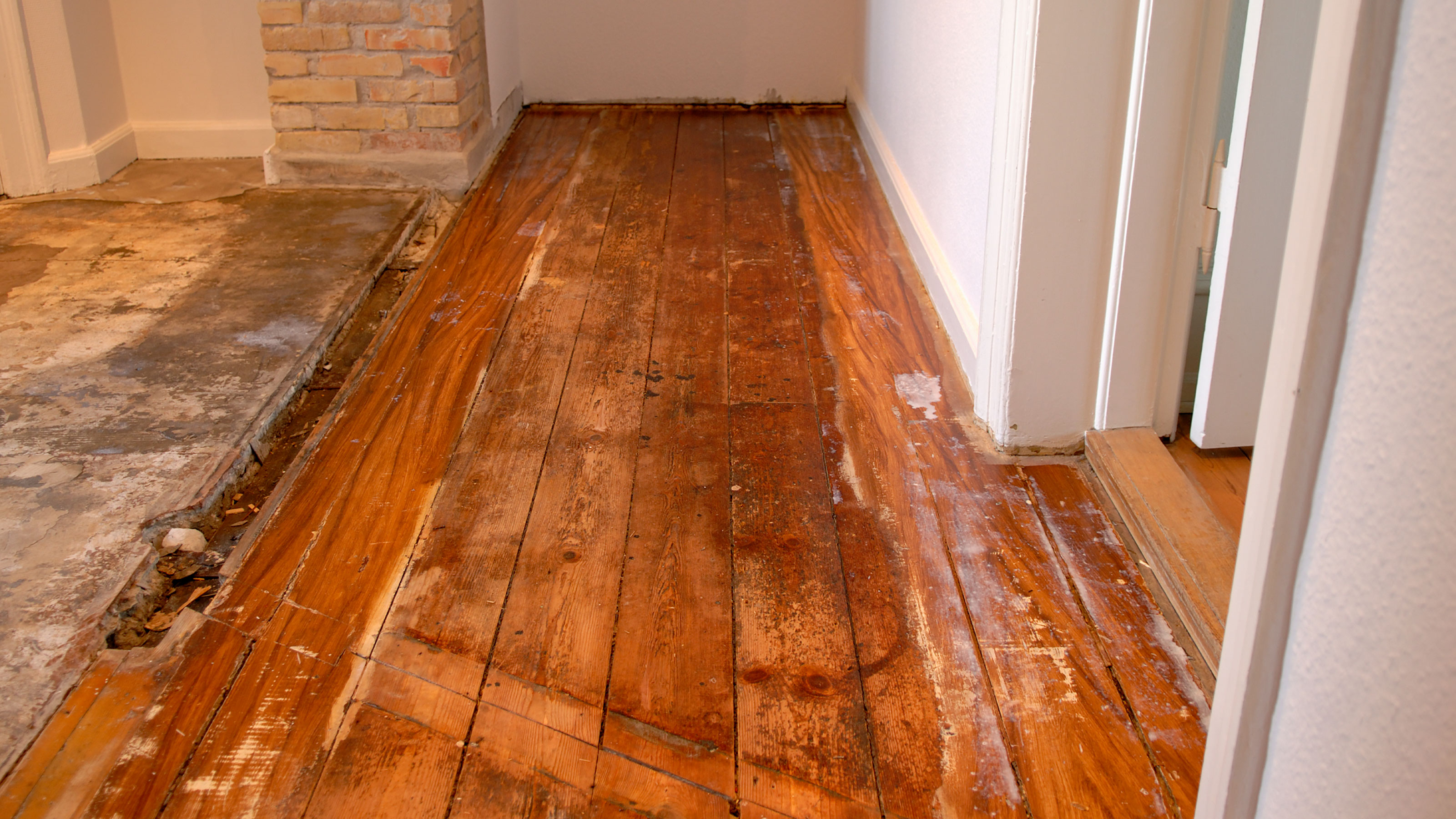
Understanding mold remediation challenges in Melbourne under hardwood flooring
Hardwood flooring is one of the most attractive features in many Melbourne homes. It adds warmth, character, and long-term value. But in Florida’s humid climate, what sits beneath those beautiful planks often tells a different story.
When moisture finds its way under hardwood flooring in Melbourne, mold remediation becomes far more complex than most homeowners expect. The problem is rarely visible at first. By the time signs appear, the contamination may already be established below the surface.
Understanding the challenges of mold remediation under hardwood flooring helps property owners act early and protect both structure and air quality.
Why Hardwood Floors Are Vulnerable in Melbourne
Melbourne’s environment creates ideal conditions for hidden moisture problems:
- Persistent humidity year-round
- Heavy summer storms
- Hurricane-driven rain
- High water table in many neighborhoods
- AC systems running continuously
Hardwood is a porous material. It absorbs moisture from the air and from below. Even minor leaks or elevated humidity can cause subtle swelling and expansion.
If moisture becomes trapped beneath the flooring, mold can begin developing on:
- Subfloor panels
- Underlayment materials
- Floor joists
- Adhesives used during installation
Because the top surface may still look intact, the issue often remains hidden.
Common Ways Moisture Gets Under Hardwood Floors
In Melbourne homes, moisture intrusion beneath hardwood flooring usually starts with one of the following:
Roof leaks: Water travels down interior walls and spreads along subfloors.
Plumbing leaks: Slow pipe drips under sinks or within walls seep into flooring.
Slab foundation moisture: High groundwater levels push vapor upward through concrete.
Flooding or storm surge: Even shallow water exposure can penetrate seams.
AC condensation issues: Improperly insulated ductwork can drip onto subflooring.
Once moisture reaches the subfloor, drying becomes difficult without removing flooring materials.
Early Signs Homeowners Notice
Before mold becomes visible, property owners may detect:
- Slight cupping or warping of boards
- Soft spots when walking
- Musty odor near floor level
- Darkening at board edges
- Gaps forming between planks
These signs often indicate elevated moisture below the surface.
In Melbourne’s climate, even small moisture issues can escalate quickly.
Why Mold Under Hardwood Is Difficult to Address
Mold remediation beneath hardwood presents several unique challenges.
1. Limited Visibility
Hardwood flooring conceals what is happening below. Inspectors must rely on:
- Moisture meters
- Thermal imaging
- Subfloor access from crawl spaces
- Careful board removal
Without proper detection tools, contamination may go unnoticed.
2. Trapped Moisture
Hardwood acts as a semi-sealed layer. When moisture enters from below, evaporation slows significantly. This creates a stable, damp environment ideal for microbial growth.
3. Adhesive Complications
In some Melbourne homes, hardwood is glued directly to the subfloor. Adhesives can trap moisture and complicate removal.
4. Structural Impact
If mold spreads to floor joists or subfloor panels, structural components may require partial replacement.
Why DIY Solutions Often Fail
Many homeowners attempt to address floor-related moisture by:
- Running portable dehumidifiers
- Spraying surface cleaners along seams
- Sanding visible staining
- Replacing only a few boards
Unfortunately, these approaches rarely eliminate the root problem.
Surface treatments do not penetrate beneath boards. If subfloor materials remain damp, mold will return. In Florida humidity, even minor residual moisture can restart growth.
Proper remediation must include moisture source correction and thorough drying.
The Professional Remediation Process
In Melbourne properties, a structured approach is essential.
Step 1: Moisture Detection and Assessment
Professionals evaluate:
- Surface moisture levels
- Subfloor moisture content
- Humidity readings
- HVAC performance
- Possible intrusion sources
Thermal imaging often helps identify hidden damp zones.
Step 2: Controlled Access
Sections of hardwood may need careful removal to reach affected materials. Containment barriers prevent spores from spreading.
Step 3: Removal of Contaminated Materials
Damaged underlayment or subfloor sections are removed if necessary. Salvageable structural components are treated.
Step 4: Air Scrubbing
HEPA filtration units capture airborne spores during the remediation process.
Step 5: Anti-Microbial Treatment
Targeted treatments help eliminate residual contamination.
Step 6: Structural Dryout
Industrial dehumidifiers and air movers reduce moisture content to safe levels.
Step 7: Source Correction
Whether the cause is slab moisture, roof leakage, or plumbing failure, correcting the source prevents recurrence.
Inspections and More FL applies this methodical process to ensure long-term stability rather than temporary repair.
Slab Foundations and Vapor Intrusion in Melbourne
Many Melbourne homes are built on slab foundations. High groundwater levels and coastal humidity create upward vapor pressure.
Without proper vapor barriers, moisture can migrate from concrete into hardwood flooring systems.
Over time, this slow vapor movement leads to:
- Persistent cupping
- Subfloor mold growth
- Adhesive failure
Professional moisture testing helps determine whether slab vapor transmission is contributing to the issue.
Crawl Space Homes: A Different Challenge
Some older Melbourne properties include crawl spaces. In these homes, elevated ground humidity can saturate subflooring from below.
Common crawl space issues include:
- Inadequate vapor barriers
- Poor ventilation
- Flooding after heavy storms
- Standing water accumulation
When humidity rises beneath the home, hardwood flooring absorbs moisture from below.
HVAC and Indoor Humidity Factors
Air conditioning systems in Melbourne run frequently. However, improperly sized or poorly maintained systems may not remove humidity effectively.
If ducts pass through unconditioned attic spaces, condensation can drip onto structural components.
Humidity imbalance inside the home increases stress on hardwood flooring systems.
Evaluating HVAC performance is often part of a comprehensive remediation plan.
Preventing Mold Beneath Hardwood Floors
Melbourne homeowners can reduce risk by:
- Monitoring indoor humidity (45–55% ideal range)
- Scheduling roof inspections annually
- Repairing plumbing leaks immediately
- Inspecting crawl spaces regularly
- Maintaining proper attic ventilation
- Testing slab moisture before installing new flooring
Post-storm evaluations are especially important in coastal neighborhoods.
Why Local Experience Matters
Florida’s climate is unique. High humidity, salt air exposure, and frequent rain events create challenges that differ from drier regions.
Professionals familiar with:
- Melbourne construction styles
- Local groundwater patterns
- Seasonal humidity shifts
- Coastal building materials
are better equipped to identify and resolve hidden flooring moisture issues.
Inspections and More FL understands how Melbourne’s environment affects hardwood flooring systems and approaches remediation with long-term protection in mind.
A Practical, Calm Approach
Mold under hardwood flooring is a serious issue — but it is manageable when handled properly. Ignoring subtle warning signs allows moisture to spread silently beneath the surface.
Early moisture detection and structured remediation protect:
- Structural framing
- Subfloor integrity
- Indoor air quality
- Flooring investment
If your Melbourne home shows signs of flooring moisture or persistent musty odors, a professional evaluation provides clarity before damage escalates.
Hardwood floors are meant to last decades. With proper moisture control and expert remediation, they can continue to perform beautifully — even in Florida’s demanding climate.