After Flooding Events in Melbourne: A Closer Look at Mold Removal
Flooding in Melbourne doesn’t have to mean waist-deep water to create a serious problem.
Sometimes it’s a stalled tropical system dumping rain for days. Sometimes it’s storm surge pushing water inland. Other times it’s overwhelmed drainage systems after back-to-back storms. Regardless of how it starts, once water enters a home in coastal Florida, the clock starts ticking.
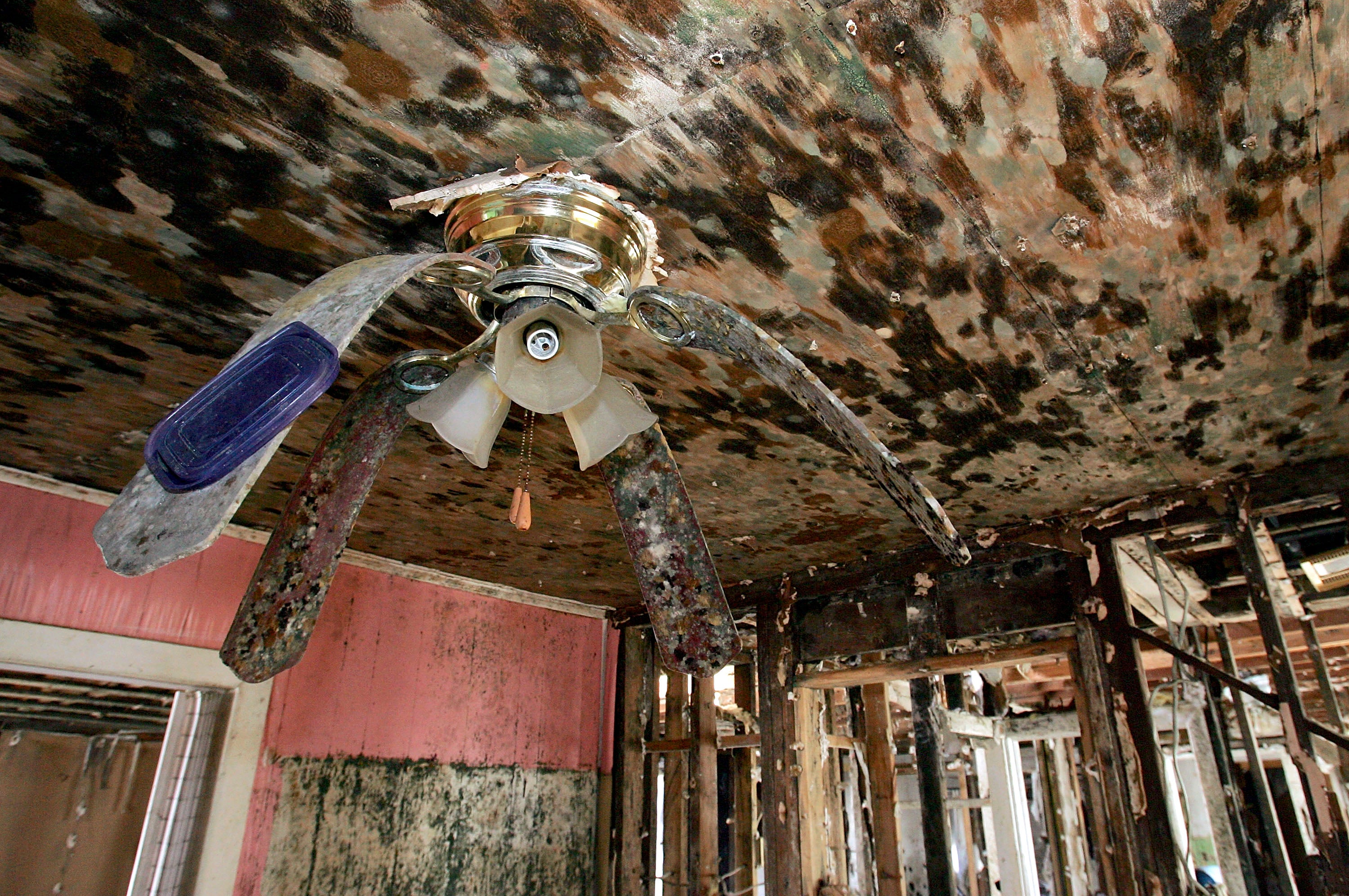
In Melbourne’s humid climate, mold growth can begin quickly after flooding. What looks dry on the surface may still be damp underneath. And when moisture lingers in walls, flooring, or insulation, mold removal becomes more than a cosmetic issue — it becomes a structural and air quality concern.
Let’s take a closer look at what really happens after flooding and how proper mold removal protects Melbourne homes.
What Flooding Does to a Melbourne Home
When floodwater enters a property, it spreads fast.
In Melbourne homes — especially slab foundation houses — water can:
- Soak drywall from the bottom up
- Saturate insulation inside walls
- Travel beneath tile, vinyl, or laminate flooring
- Enter cabinetry and baseboards
- Reach interior wall cavities
- Seep into attic spaces through roof or soffit gaps
Even after standing water is removed, building materials absorb moisture deeply. Florida’s humidity slows natural drying, allowing moisture to remain trapped.
Within 24–48 hours, mold can begin forming on damp organic materials like drywall paper, wood framing, and insulation.
Why Florida’s Climate Makes Flooding More Complicated
Melbourne’s coastal location makes post-flood recovery more challenging than in drier climates.
High Humidity Slows Drying
Even with fans running, indoor air may already be saturated with moisture. Evaporation slows dramatically.
Warm Temperatures Accelerate Growth
Heat combined with moisture creates ideal conditions for mold development.
Repeated Rain Events
Storm cycles often bring multiple heavy rain days. Materials don’t fully dry before new moisture is introduced.
This combination makes professional mold removal essential after flooding — not optional.
Signs Mold May Be Developing After a Flood
Homeowners in Melbourne often notice subtle changes before visible mold appears.
Common warning signs include:
- Musty or earthy odors
- Soft drywall near the floor
- Discoloration along baseboards
- Flooring edges lifting or warping
- Increased indoor humidity
- Allergy-like irritation indoors
Because mold often develops behind walls or under flooring, visible signs may only represent part of the issue.
That’s why inspection and detection are critical.
What Professional Mold Removal Really Involves
Mold removal after flooding is not a simple wipe-down process.
It typically begins with a detailed inspection, including:
- Visual evaluation
- Moisture meter readings
- Thermal imaging scans
- Attic and wall cavity assessment
- HVAC system inspection
Thermal imaging helps identify cooler zones that may indicate hidden moisture behind drywall or under floors.
At Inspections and More FL, post-flood evaluations in Melbourne often reveal damp areas that homeowners didn’t suspect. Catching these early prevents larger structural problems.
The Mold Removal Process Step by Step
Once contamination is confirmed, a structured approach follows.
1. Containment
Affected areas are isolated to prevent cross-contamination. Plastic barriers and negative air pressure systems may be used.
2. Air Scrubbing
HEPA air scrubbers run continuously to capture airborne spores and particles.
3. Removal of Damaged Materials
Flood-saturated drywall, insulation, carpeting, and other porous materials may need to be removed.
Water from flooding events is often considered contaminated. Materials that cannot be fully dried and sanitized must be discarded.
4. Structural Drying
Air blowers and commercial dehumidifiers are installed to dry framing, subfloors, and remaining structural components.
Drying is measured daily to confirm progress.
5. Anti-Microbial Treatment
After materials are removed and surfaces are cleaned, anti-microbial applications may be used to treat exposed framing and hard-to-reach areas.
6. Moisture Verification
Final moisture readings confirm that materials have returned to safe levels before reconstruction begins.
Skipping steps often leads to mold returning months later.
Common Overlooked Areas After Flooding
Local Melbourne cases show that mold frequently develops in areas homeowners don’t initially inspect:
- Behind kitchen and bathroom cabinets
- Inside closets on exterior walls
- Beneath vinyl plank flooring
- Under stairwells
- Inside garage wall transitions
- Around HVAC returns
Floodwater doesn’t always remain in one place. It spreads through wall cavities and beneath flooring.
Surface cleaning alone will not resolve hidden contamination.
Why DIY Mold Removal Often Fails
After flooding, some homeowners attempt to handle mold removal themselves.
Common DIY approaches include:
- Spraying bleach
- Scrubbing visible spots
- Running household fans
- Replacing only visibly damaged drywall
The problem is that bleach does not penetrate porous materials deeply. It also adds liquid to already wet surfaces.
Without containment and proper drying, spores can spread into unaffected areas.
Florida’s climate makes incomplete remediation risky. Hidden moisture combined with high humidity encourages mold to return quickly.
The Role of HVAC Systems After Flooding
In Melbourne homes, HVAC systems often run constantly after flooding in an attempt to control indoor humidity.
However, if ductwork was exposed to moisture or debris, contaminants can circulate throughout the property.
Part of mold removal after flooding includes evaluating and cleaning affected HVAC components when necessary.
Air movement must be controlled — not just increased.
Long-Term Prevention After Flood Recovery
Once mold removal and drying are complete, prevention becomes the focus.
Melbourne homeowners can reduce future risk by:
- Scheduling roof and exterior inspections annually
- Ensuring proper drainage around the foundation
- Monitoring indoor humidity levels
- Maintaining AC systems regularly
- Inspecting attic spaces after heavy storms
- Addressing plumbing issues immediately
Storm season in Florida is predictable. Proactive inspections limit damage when the next heavy rain arrives.
Why Local Experience Matters in Melbourne
Flood recovery in Melbourne differs from flood recovery in dry regions.
Professionals familiar with coastal Florida understand:
- How slab foundations respond to saturated soil
- How salt air affects building materials
- How attic heat influences moisture behavior
- How repeated storms compound damage
Mold removal must be adapted to these environmental realities.
Inspections and More FL applies local knowledge of Melbourne construction styles and storm patterns when handling post-flood mold removal. That experience leads to more accurate detection and thorough remediation.
A Closer Look at Protecting Your Property
Flooding events in Melbourne may last hours — but their effects can linger for months if not handled correctly.
Mold removal is not about overreaction. It’s about addressing hidden moisture and contamination before structural damage or indoor air concerns develop further.
If your home has experienced flooding, even minor water intrusion, a professional inspection provides clarity about what may be happening behind walls and beneath floors.
In Florida’s climate, early action protects both your property and long-term peace of mind.