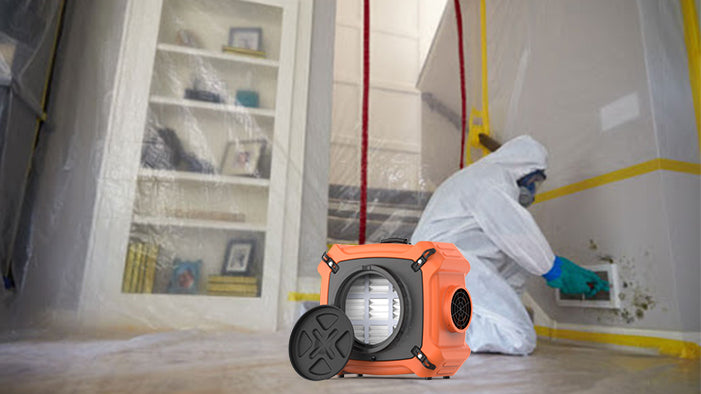
Why Mold Encapsulation Becomes Necessary in Melbourne Behind Interior Walls
In Melbourne, moisture rarely announces itself loudly.
Sometimes it’s a slow plumbing drip behind a bathroom wall. Other times it’s wind-driven rain slipping past exterior seals during storm season. In many homes, it’s long-term humidity quietly collecting inside wall cavities.
By the time a musty odor appears or paint begins to bubble, the real issue may already be behind the drywall.
When mold develops behind interior walls in Melbourne homes, remediation often involves removal, drying, and cleaning. But in certain cases — especially where structural framing has been affected — mold encapsulation becomes a necessary final step.
Let’s take a closer look at why this process is sometimes required and how Florida’s climate plays a major role.
Why Interior Walls Are Vulnerable in Melbourne Homes
Melbourne’s coastal environment creates constant moisture pressure on residential structures.
Homes here face:
- High year-round humidity
- Heavy rainstorms and tropical systems
- Salt air exposure
- Continuous AC operation
- Slab foundation construction
Interior wall cavities, especially those along exterior walls, become natural collection points for moisture.
When warm humid air meets cooler indoor surfaces, condensation can form inside walls. Add a small plumbing leak or roof intrusion, and moisture becomes trapped behind drywall.
Because these areas lack airflow, they stay damp longer than visible surfaces.
Common Moisture Sources Behind Walls
During inspections in Melbourne homes, mold behind interior walls is often traced to:
- Supply line leaks in kitchens and bathrooms
- AC condensation line backups
- Roof flashing failures
- Window seal deterioration
- Wind-driven rain intrusion
- Previous water damage that wasn’t fully dried
Even after visible repairs, residual moisture may remain in framing or insulation.
Over time, that dampness supports mold development on wood studs and sheathing.
When Mold Removal Alone Isn’t Enough
Standard mold remediation typically includes:
- Containment
- Removal of contaminated drywall and insulation
- Cleaning exposed framing
- Structural drying
- HEPA air scrubbing
In many cases, this process fully resolves the issue.
However, in Melbourne’s humid climate, some structural materials — especially wood framing — may show staining or residual surface impact even after proper cleaning.
When:
- Mold has penetrated porous framing
- Wood cannot be safely removed without structural impact
- Moisture levels have been stabilized but staining remains
Mold encapsulation becomes necessary as a protective measure.
What Mold Encapsulation Actually Does
Mold encapsulation involves applying a specialized coating to cleaned and dried structural surfaces.
This coating:
- Seals remaining microscopic particles
- Prevents future spore release
- Creates a protective barrier on framing
- Helps stabilize the area long-term
Encapsulation does not replace removal of damaged materials. It is applied only after:
- Moisture sources are corrected
- Structural drying is complete
- Surfaces have been properly cleaned
In Melbourne homes, encapsulation is often used in wall cavities where wood framing cannot be replaced easily.
Why Florida’s Climate Makes Encapsulation Important
In drier states, once materials are cleaned and dried, environmental moisture may remain low enough to prevent recurrence.
In Melbourne, humidity remains elevated for much of the year.
That means:
- Wood framing may reabsorb ambient moisture
- Coastal air can influence building materials
- Attic heat can drive vapor movement
- Seasonal storms reintroduce moisture pressure
Encapsulation provides an added layer of protection in a climate where moisture control is ongoing.
It acts as a safeguard against future humidity-driven exposure.
What Inspections Typically Reveal Before Encapsulation
Before encapsulation is considered, a professional inspection identifies:
- Elevated moisture levels behind drywall
- Framing affected by previous leaks
- Insulation damage
- Temperature variations via thermal imaging
- Slab foundation moisture near wall edges
Thermal imaging helps identify cooler zones that indicate hidden dampness.
Moisture meters confirm that framing has returned to safe levels before encapsulation is applied.
At Inspections and More FL, Melbourne wall cavity inspections often reveal moisture extending beyond visible damage. Encapsulation decisions are made only after thorough evaluation and drying.
Why DIY Approaches Fall Short
Homeowners sometimes attempt to address wall cavity mold by:
- Spraying bleach into openings
- Sealing over stained drywall
- Painting over affected surfaces
- Using household fans for drying
These methods do not address:
- Hidden moisture
- Structural contamination
- Airborne particle spread
- Long-term humidity exposure
Encapsulation requires proper cleaning, containment, and drying beforehand. Applying coatings over damp or contaminated materials traps moisture and worsens the problem.
Florida’s climate demands a structured approach.
The Complete Remediation Process Behind Walls
When mold is discovered behind interior walls in Melbourne homes, the process typically includes:
- Containment to prevent cross-contamination
- Removal of affected drywall and insulation
- HEPA air scrubbing
- Structural drying with air blowers and dehumidifiers
- Cleaning exposed framing
- Mold encapsulation when necessary
- Moisture verification testing
- Controlled reconstruction
Each step builds on the previous one.
Skipping drying or encapsulation can result in recurring odors or future contamination.
Preventing Future Wall Cavity Moisture Problems
Melbourne homeowners can reduce the need for encapsulation by:
- Addressing leaks immediately
- Monitoring indoor humidity levels
- Servicing AC systems regularly
- Inspecting roof flashing annually
- Conducting post-storm evaluations
- Checking window and door seals
Prevention is always more efficient than remediation.
In coastal Florida, moisture awareness is part of responsible home maintenance.
Why Local Experience Matters in Melbourne
Mold remediation behind interior walls is not identical across regions.
Professionals familiar with Melbourne understand:
- How slab foundations retain vapor
- How attic heat affects interior walls
- How salt air accelerates material degradation
- How humidity influences long-term moisture behavior
Encapsulation decisions require understanding how local climate affects structural materials.
Inspections and More FL applies Florida-specific experience when evaluating mold remediation challenges in Melbourne homes. That local knowledge ensures encapsulation is used appropriately and effectively.
Protecting What You Can’t See
Mold behind interior walls often develops quietly.
In Melbourne’s humid coastal environment, moisture problems can persist long after visible leaks are repaired. When structural framing has been affected but cannot be removed, mold encapsulation becomes a necessary protective step.
It’s not about covering up a problem. It’s about sealing and stabilizing cleaned structural materials after proper remediation.
If your home has experienced plumbing leaks, roof intrusion, or persistent humidity, a professional inspection can determine whether encapsulation is needed behind your walls.
In Florida, what’s hidden inside wall cavities deserves just as much attention as what’s visible on the surface.