
Moisture Detection in Cocoa After Hidden Water Intrusion: Lessons Learned From Local Cases
Hidden water intrusion is common in Cocoa.
It rarely announces itself with standing water in the middle of the living room. More often, it starts quietly — a small roof vulnerability after a storm, wind-driven rain pushing past a window frame, or a slow plumbing drip behind a wall.
Weeks later, something feels off.
A musty odor. Slight discoloration along a baseboard. Humidity that doesn’t seem to drop even when the AC runs all day.
In Cocoa’s coastal climate, moisture doesn’t need much time to spread. And the biggest lesson learned from local cases is this:
What you can’t see often causes the most damage.
Why Hidden Intrusion Is So Common in Cocoa
Cocoa sits near the Indian River, with constant exposure to coastal humidity, afternoon thunderstorms, and seasonal tropical systems.
Homes here experience:
• High year-round humidity
• Wind-driven rain
• Salt-laden air exposure
• Rapid attic temperature changes
• Elevated water tables after storms
Even well-maintained homes develop small vulnerabilities over time.
Flashing shifts. Caulking cracks. Window seals weaken. Plumbing lines age.
When water enters, it often travels behind walls, under flooring, or into attic insulation before anyone notices.
Lesson #1: Visible Stains Are Often the Last Sign
In multiple local cases, homeowners waited for obvious staining before calling for inspection.
By that point, moisture had already:
• Soaked insulation
• Spread down wall studs
• Dampened subflooring
• Increased indoor humidity
Surface drywall may dry partially while internal framing remains wet.
Moisture detection often reveals a much larger footprint than expected.
Thermal imaging and moisture meters help trace that hidden spread.
Waiting for visible damage increases repair scope.
Lesson #2: Attics Tell the Story First
After heavy storms in Cocoa, attic spaces frequently show the earliest signs of hidden intrusion.
Small roof gaps allow rain to enter without creating immediate ceiling stains.
Inspections commonly uncover:
• Damp insulation
• Elevated wood moisture in trusses
• Condensation around ductwork
• Minor roof decking saturation
In one local case, a homeowner ignored faint attic odors for weeks. By the time the issue was investigated, insulation had to be removed and framing required structural drying.
Early moisture detection could have limited the damage significantly.
Lesson #3: Slab Homes Hide Moisture Beneath Flooring
Many Cocoa homes sit on slab foundations.
When groundwater rises after prolonged rain, moisture can migrate upward through concrete.
Homeowners often report:
• Musty smells near baseboards
• Slight floor warping
• Darkened grout
• Humidity that won’t stabilize
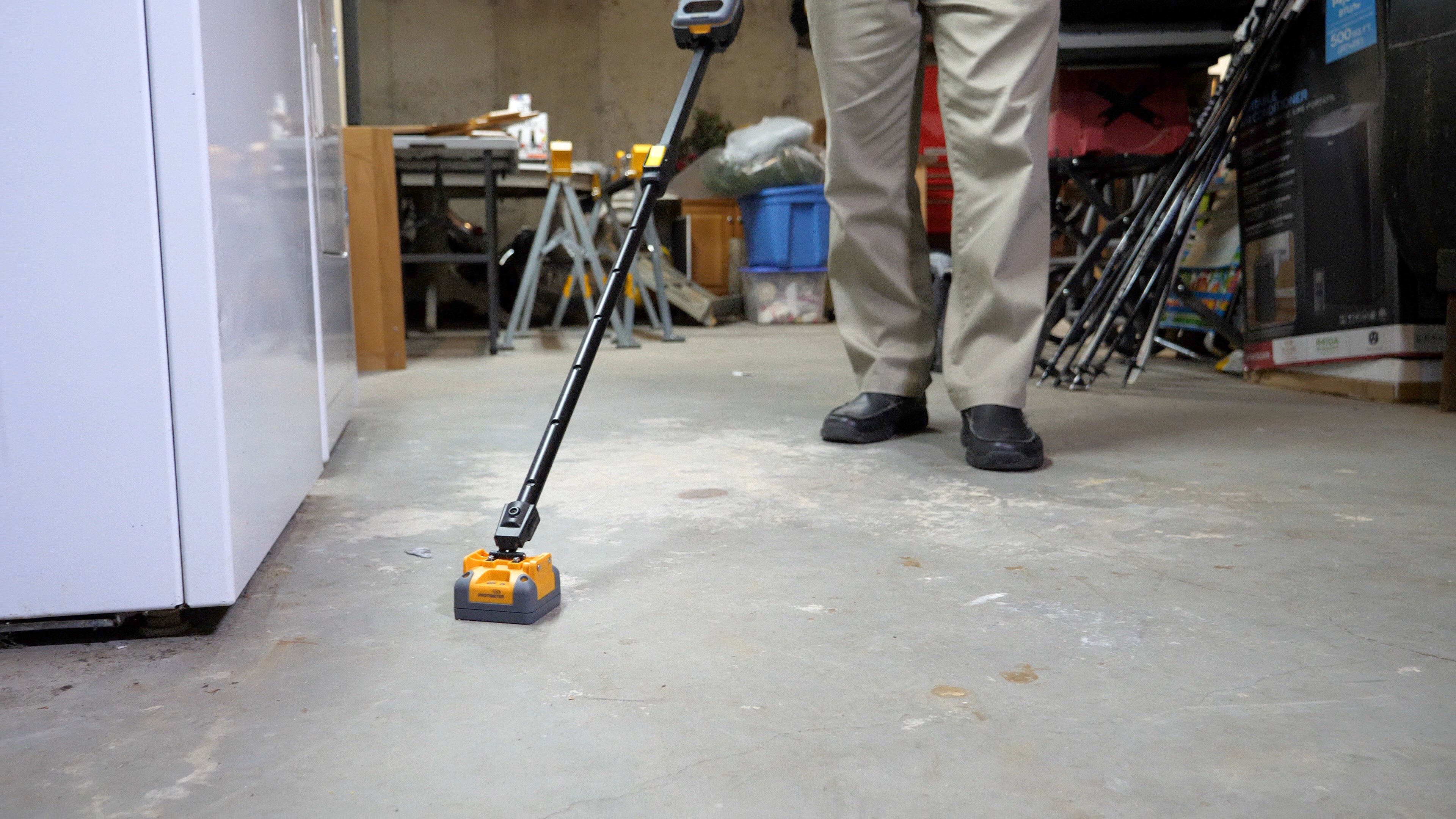
In several local inspections, flooring appeared intact from above — but moisture meters revealed elevated slab moisture beneath.
Replacing flooring without detection leads to repeat issues.
Understanding slab transmission early prevents unnecessary reconstruction.
Lesson #4: Crawl Spaces Are Frequently Overlooked
In Cocoa homes with crawl spaces, humidity from saturated soil often contributes to hidden moisture problems.
Local inspections regularly uncover:
• Damp vapor barriers
• Elevated wood moisture content
• Surface mold on joists
• Condensation on ducts
Homeowners may focus on interior symptoms while moisture continues rising from below.
Moisture detection in crawl spaces often explains persistent indoor dampness.
Ignoring this area allows recurring problems.
Lesson #5: HVAC Systems Can Spread the Problem
Hidden water intrusion sometimes affects HVAC components.
If condensation lines clog or ducts sweat excessively, moisture may enter walls and ceilings.
In several Cocoa cases, thermal imaging revealed damp drywall near return vents — even though no visible leaks were present.
Airflow can distribute humid air throughout the home.
Moisture detection combined with HVAC evaluation provides a clearer picture of the full system.
Lesson #6: Humidity Alone Can Mask Intrusion
Cocoa’s high outdoor humidity makes it difficult to tell whether indoor dampness is structural or environmental.
Homeowners often assume:
“It’s just Florida humidity.”
But persistent humidity indoors — especially when AC is functioning — may indicate hidden moisture behind walls or beneath flooring.
Moisture detection tools differentiate between surface-level humidity and structural dampness.
That distinction prevents both overreaction and underestimation.
What Professional Moisture Detection Involves
After hidden intrusion is suspected, a structured evaluation may include:
• Thermal imaging scans of interior walls
• Pin and pinless moisture meter readings
• Attic and crawl space inspections
• Slab moisture testing when necessary
• Indoor humidity measurement
• HVAC system evaluation
Companies like Inspections and More FL use moisture mapping to determine how far water has traveled and where drying or remediation should begin.
Accurate mapping reduces unnecessary demolition.
Recovery Insights From Local Cases
In most Cocoa cases involving hidden intrusion, early detection resulted in:
• Targeted drywall removal
• Limited insulation replacement
• Shorter drying timelines
• Lower remediation costs
Delayed detection, on the other hand, often led to:
• Expanded containment areas
• Multiple rooms affected
• Subfloor damage
• Recurring mold growth
Time makes the difference.
Florida’s warm climate accelerates microbial development.
When to Schedule an Evaluation
Based on local experience, schedule moisture detection if you notice:
• Musty odors that persist
• Unexplained indoor humidity
• Slight warping of flooring
• Ceiling discoloration after storms
• Recent roof or plumbing leaks
• Damp crawl space conditions
Waiting for visible mold usually means the issue has progressed.
Early evaluation limits impact.
Preventing Future Hidden Intrusion
Cocoa homeowners can reduce risk by:
• Inspecting roofing before storm season
• Sealing window and door penetrations
• Monitoring indoor humidity year-round
• Servicing HVAC systems regularly
• Checking crawl spaces after heavy rain
• Addressing small leaks immediately
Hidden intrusion rarely fixes itself.
Proactive monitoring protects structural integrity.
Why Local Experience Matters in Cocoa
Moisture patterns in Cocoa differ from inland Sanford and even nearby Palm Bay.
Proximity to water, coastal wind patterns, and salt exposure influence how moisture enters and spreads.
Professionals familiar with:
• Cocoa construction styles
• Typical attic ventilation layouts
• Slab foundation moisture behavior
• Seasonal storm cycles
can interpret detection results accurately.
Localized expertise prevents misdiagnosis and ensures effective recovery.
A Practical Takeaway
Hidden water intrusion in Cocoa homes is common — but manageable when caught early.
Moisture detection provides clarity before structural damage or mold growth becomes widespread.
The lessons from local cases are consistent:
Act early. Verify moisture levels. Correct the source. Dry thoroughly.
In Florida’s humid coastal climate, what you can’t see deserves attention.
Because once moisture spreads behind the walls, time is no longer on your side.
