
Inside Commercial Buildings in Sanford: A Closer Look at Moisture Detection
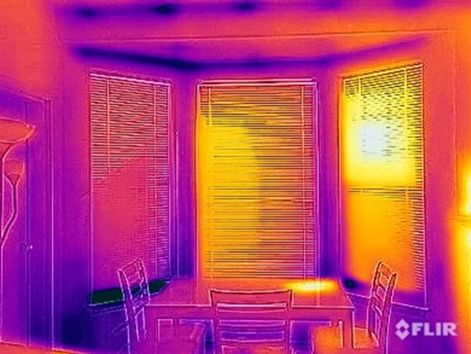
Commercial buildings in Sanford face a different kind of moisture challenge than residential homes. Offices, retail spaces, warehouses, and mixed-use properties operate daily under fluctuating occupancy levels, heavy HVAC use, and constant exposure to Florida’s humidity.
When moisture problems develop inside a commercial building, they often go unnoticed longer than they would in a home. Ceiling tiles may hide leaks. Carpet squares can trap water underneath. HVAC systems may circulate humid air without obvious signs of trouble.
That’s why structured moisture detection plays such a critical role in protecting commercial properties throughout Sanford and surrounding areas.
Let’s take a closer look at how moisture behaves inside commercial buildings — and how professional detection prevents long-term structural and operational issues.
Why Commercial Buildings in Sanford Are Vulnerable to Moisture
Sanford’s climate includes:
- Heavy seasonal rainstorms
- High year-round humidity
- Warm temperatures
- Occasional tropical systems
Commercial structures add additional risk factors:
Large Roof Systems
Flat or low-slope roofs are common in Sanford office and retail buildings. These systems are more prone to slow leaks and ponding water.
Extensive HVAC Networks
Large air handling systems, ductwork, and rooftop units create multiple points where condensation may form.
Concrete Slabs
Most commercial buildings are slab-on-grade construction. Concrete can absorb ground moisture and release it slowly over time.
Frequent Door Openings
Retail and warehouse facilities constantly exchange indoor air with humid outdoor air.
Over time, these conditions allow moisture to accumulate in hidden areas.
What Makes Moisture Detection in Commercial Buildings Challenging
Commercial properties are complex environments.
Moisture may develop in:
- Ceiling cavities above drop tiles
- Behind drywall partitions
- Beneath carpet tiles
- Around rooftop HVAC penetrations
- Inside wall assemblies
- Under storage shelving
Unlike residential spaces, commercial interiors often have layered construction systems that conceal water intrusion.
By the time ceiling tiles stain or flooring warps, moisture may have been present for weeks.
Common Signs of Hidden Moisture in Sanford Commercial Properties
Property managers and business owners may notice:
- Musty odors in certain rooms
- Ceiling tiles with discoloration
- Warped or lifting flooring
- Peeling paint near exterior walls
- HVAC units running constantly
- Localized humidity pockets
In some cases, tenants report that certain areas feel damp or uncomfortable even when the thermostat reads normal.
These are signs that a moisture evaluation is warranted.
Tools Used for Professional Moisture Detection
Accurate detection requires more than visual inspection.
Moisture Meters
Used to measure moisture content inside drywall, framing, and flooring materials.
Thermal Imaging Cameras
Detect temperature variations that may indicate hidden moisture behind ceilings or walls.
Hygrometers
Measure indoor humidity levels throughout different zones of the building.
Infrared Roof Scanning (When Needed)
Identify moisture beneath commercial roof membranes.
At Inspections and More FL, moisture detection in Sanford commercial buildings focuses on identifying both the source and extent of water migration.
The Role of HVAC Systems in Moisture Issues
Commercial HVAC systems are often a major contributor to moisture problems.
Common issues include:
- Clogged condensate drains
- Improperly sloped drain lines
- Oversized units cooling too quickly
- Inadequate ventilation balance
- Duct condensation in hot ceiling cavities
If HVAC systems fail to remove sufficient humidity, moisture accumulates in interior finishes.
In Sanford’s humid environment, air conditioning alone does not guarantee moisture control.
Why DIY Inspections Often Miss Hidden Problems
Commercial property managers may conduct surface-level inspections after heavy rain.
However:
- Ceiling cavities are rarely opened
- Carpet tiles hide subfloor moisture
- Slab vapor transmission is invisible
- Thermal differences cannot be seen with the naked eye
Without professional detection tools, hidden moisture can remain undetected until damage becomes visible.
Early identification reduces disruption to tenants and business operations.
When to Schedule a Moisture Detection Evaluation
In Sanford commercial buildings, evaluations should be scheduled:
After Heavy Rainstorms
Even if no active leaks are visible.
Following Roof Repairs
Verify that interior materials remain dry.
When Tenants Report Odors
Musty smells often signal hidden dampness.
During Property Transactions
Buyers frequently request moisture assessments.
If Indoor Humidity Remains Elevated
Consistent readings above 60% deserve investigation.
Proactive evaluations often prevent expensive structural repairs later.
The Importance of Early Detection in Commercial Settings
Commercial properties operate daily. Business interruption can be costly.
Prompt moisture detection:
- Prevents structural damage
- Protects insulation and drywall
- Maintains indoor comfort
- Reduces long-term repair costs
- Supports tenant satisfaction
In Sanford, where humidity and rain are constant factors, early detection protects both the building and the businesses inside it.
Moisture Correction After Detection
If moisture is identified, corrective steps may include:
- Roof repair or sealing
- HVAC condensate line cleaning
- Dehumidification
- Structural drying
- Insulation replacement
- Improved ventilation
Each building requires a tailored plan based on its construction and environmental exposure.
The key is addressing the moisture source — not just the symptom.
Preventing Ongoing Moisture Problems in Sanford Commercial Buildings
Preventive strategies include:
Routine Roof Inspections
Flat roofs require regular monitoring.
Scheduled HVAC Maintenance
Ensure condensate lines are functioning properly.
Monitor Indoor Humidity
Maintain levels between 45–55%.
Inspect After Major Storms
Even minor infiltration deserves evaluation.
Conduct Periodic Moisture Assessments
Especially in older properties.
Commercial buildings benefit from consistent oversight.
Why Local Florida Experience Matters
Moisture detection in Sanford differs from dry-climate states.
Local buildings face:
- Persistent humidity
- Heavy rainfall
- Warm temperatures
- Slab construction
- Extended storm seasons
Interpreting moisture readings in this environment requires experience.
Local knowledge ensures accurate assessments and practical solutions tailored to Florida’s conditions.
A Calm, Practical Next Step
If you manage or own a commercial building in Sanford and have concerns about humidity, leaks, or musty odors, scheduling a professional moisture detection evaluation is a proactive step.
An assessment can determine:
- Whether hidden moisture exists
- If HVAC adjustments are needed
- Whether structural drying is required
- How to prevent long-term damage
Inspections and More FL works with property owners throughout Sanford, Cocoa, Palm Bay, Melbourne, and Merritt Island to evaluate moisture inside commercial buildings using structured, climate-aware methods.
In Florida’s environment, moisture is always present. The goal isn’t to eliminate it — it’s to manage it before it becomes a structural problem.
