
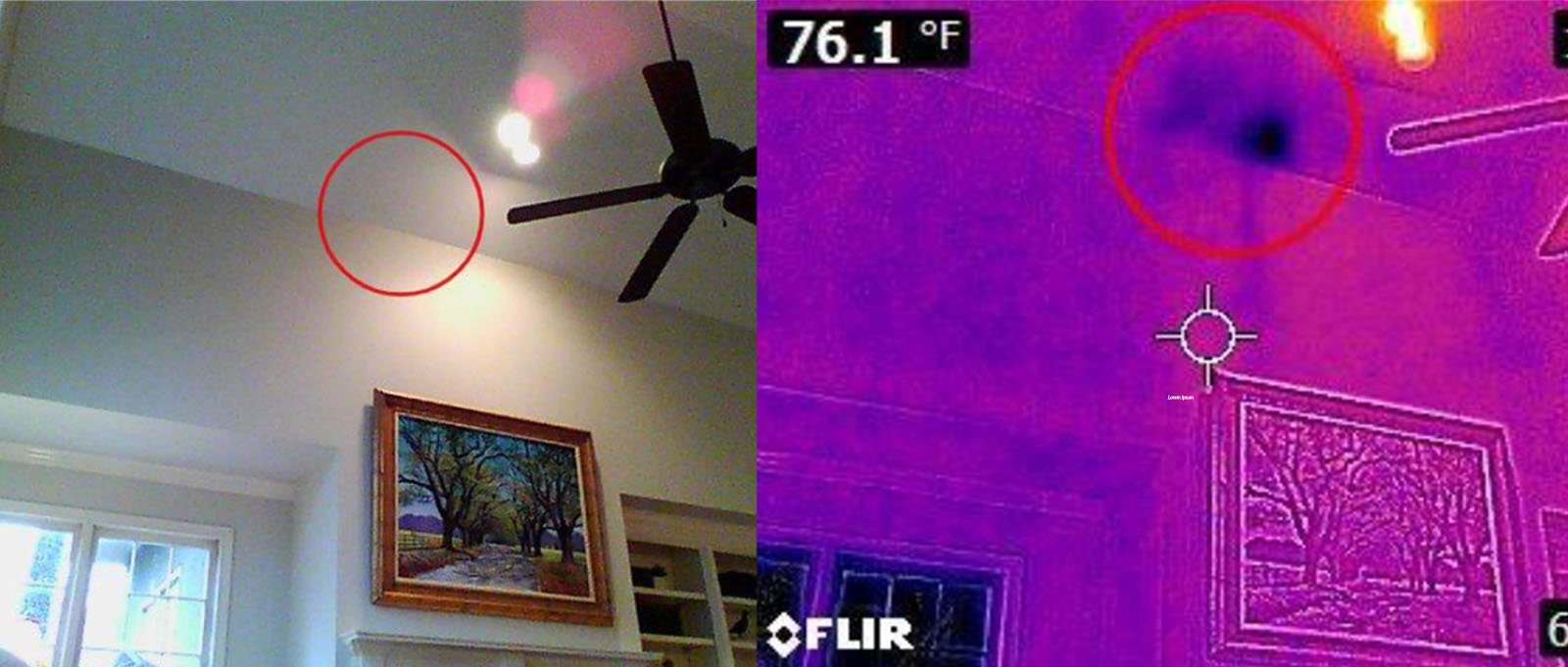
Sanford Homes Dealing With Moisture Detection Behind Interior Walls — How to Avoid Structural Damage
In Sanford, moisture doesn’t always show up as a puddle on the floor.
More often, it hides.
A small roof leak after a summer storm. A slow plumbing drip behind a bathroom wall. AC condensation that quietly seeps into drywall over time. Weeks go by before anyone notices a faint odor or slight paint bubbling.
By then, moisture may already be sitting inside the wall cavity.
Moisture detection behind interior walls isn’t about overreacting. It’s about preventing structural damage before it becomes expensive to repair.
In Central Florida’s warm, humid climate, early detection makes the difference.
Why Hidden Moisture Is Common in Sanford Homes
Sanford may be inland compared to Merritt Island or Melbourne, but it still experiences:
• Heavy summer thunderstorms
• High humidity levels
• Prolonged rainy periods
• Saturated soil after storms
• Warm temperatures that slow natural drying
When water intrusion occurs, drywall often absorbs moisture first. But wood framing, insulation, and sheathing behind the wall can hold dampness far longer.
Interior walls conceal the problem.
Without detection tools, damage progresses quietly.
Common Sources of Behind-the-Wall Moisture
In Sanford homes, inspections frequently trace hidden moisture back to:
Roof Leaks
Wind-driven rain during storms can enter through flashing gaps or lifted shingles. Water travels down studs before visible ceiling stains appear.
Plumbing Leaks
Slow drips inside bathrooms, kitchens, or laundry areas may saturate drywall and insulation for weeks before discovery.
AC Condensation
Clogged condensate lines or sweating ducts introduce moisture into wall cavities, especially near air handlers.
Exterior Wall Penetrations
Improperly sealed windows or doors allow rainwater intrusion under pressure.
Identifying the source is step one in preventing structural damage.
Early Warning Signs You Shouldn’t Ignore
Moisture behind walls often produces subtle symptoms before visible damage.
Watch for:
• Persistent musty odors
• Paint bubbling or peeling
• Baseboards separating from walls
• Slight wall warping
• Soft spots when pressing drywall
• Increased indoor humidity
If any of these signs appear after heavy rain or plumbing issues, moisture detection is warranted.
Waiting allows structural components to weaken.
How Moisture Detection Works
Moisture detection behind interior walls is non-invasive in most cases.
Professionals may use:
• Thermal imaging cameras
• Pin and pinless moisture meters
• Hygrometers to measure indoor humidity
• Visual inspection of adjacent areas
Thermal imaging identifies temperature differences consistent with hidden dampness.
Moisture meters confirm whether drywall or framing contains elevated moisture.
Small inspection openings may be made if readings indicate significant saturation.
Companies like Inspections and More FL use moisture mapping to pinpoint affected areas before recommending drying or removal.
Precision limits unnecessary demolition.
Why Structural Damage Develops Over Time
When moisture remains trapped inside walls:
• Wood framing absorbs water
• Nails and fasteners corrode
• Insulation loses effectiveness
• Mold growth becomes likely
• Drywall weakens
Over time, repeated moisture cycles compromise structural integrity.
In Sanford’s humid climate, evaporation is slow.
Moisture that might dry naturally in drier regions lingers longer here.
Early detection prevents framing deterioration.
The Role of Structural Drying
If moisture is detected early, structural drying may be sufficient.
Drying may include:
• Controlled demolition of small drywall sections
• Air mover placement
• Dehumidification
• Ongoing moisture monitoring
Drying continues until materials return to safe moisture thresholds.
Stopping early increases the risk of recurring issues.
Verification protects long-term stability.
Mold Risk Behind Walls
In Florida’s warm climate, mold can begin forming within 24 to 48 hours on damp materials.
Behind-wall mold often spreads unnoticed.
By the time odors intensify or staining appears, remediation may require larger material removal.
Early moisture detection reduces the likelihood of full-scale mold remediation.
Prevention is far less disruptive than reconstruction.
Slab Foundations and Wall Moisture
Many Sanford homes sit on slab foundations.
After prolonged rain, moisture may migrate upward through concrete.
If lower drywall sections absorb that moisture, dampness spreads vertically inside walls.
Moisture detection helps confirm whether slab transmission contributes to the issue.
Ignoring this pathway allows recurring damage.
Preventing Structural Damage in Sanford Homes
Homeowners can reduce risk by:
• Inspecting roofs annually
• Cleaning gutters regularly
• Monitoring indoor humidity
• Servicing HVAC systems
• Addressing plumbing leaks immediately
• Scheduling post-storm inspections
Moisture management is ongoing in Central Florida.
Proactive detection limits structural impact.
Why Timing Is Critical
The longer moisture remains behind walls:
• The larger the affected area becomes
• The more materials require removal
• The longer drying takes
• The higher repair costs rise
Scheduling evaluation as soon as symptoms appear keeps damage contained.
Waiting for visible mold usually means the issue has progressed.
Why Local Experience Matters in Sanford
Moisture behavior in Sanford differs from coastal cities.
While salt air may be less intense than in Merritt Island, inland rainfall patterns and saturated soil create sustained humidity pressure.
Professionals familiar with:
• Sanford roofing systems
• Typical slab foundation construction
• Common plumbing layouts
• Seasonal storm intensity
can identify likely moisture paths quickly.
Localized expertise ensures targeted detection and efficient recovery.
A Practical Next Step
If your Sanford home shows signs of hidden moisture behind interior walls, don’t rely on surface appearance alone.
Moisture detection provides clarity before structural damage escalates.
In Florida’s warm, humid climate, hidden moisture rarely resolves without intervention.
Early evaluation, proper drying, and source correction protect your home’s framing, insulation, and indoor air quality.
Behind-the-wall moisture may be invisible.
The damage it causes doesn’t have to be.
