
How Moisture Detection Protects Properties in Melbourne in Crawl Spaces
Crawl spaces in Melbourne homes are easy to ignore.
They’re dark, tight, and rarely visited. But in Florida’s humid coastal climate, what happens beneath the home often determines what happens inside it.
From heavy summer storms to rising groundwater and salt-laden air drifting inland, moisture pressure is constant in Melbourne. When crawl spaces trap humidity, structural components absorb it quietly over time.
That’s where moisture detection becomes essential.
Early detection beneath the home protects framing, flooring, insulation, and indoor air quality before structural damage develops.
Why Crawl Spaces in Melbourne Are Vulnerable
Melbourne’s environment creates steady moisture exposure.
Homes here deal with:
• High year-round humidity
• Heavy afternoon thunderstorms
• Hurricane season rainfall
• Elevated groundwater levels
• Warm temperatures that slow evaporation
Crawl spaces sit directly above soil.
After prolonged rain, soil becomes saturated. Moisture evaporates upward into the enclosed space beneath the structure.
If ventilation is inadequate — or if humid outdoor air enters through open vents — crawl space humidity rises quickly.
Without detection tools, elevated moisture often goes unnoticed.
How Moisture Spreads Beneath the Home
Moisture inside crawl spaces affects more than just the ground below.
When humidity remains high:
• Floor joists absorb moisture
• Subfloor panels swell
• Insulation traps damp air
• Ductwork develops condensation
• Metal fasteners begin corroding
Air from the crawl space naturally rises into the home above.
This phenomenon means elevated moisture below impacts indoor air quality and comfort upstairs.
Detection helps interrupt that cycle early.
Common Signs of Crawl Space Moisture Problems
Homeowners in Melbourne may notice:
• Musty odors inside the home
• Floors feeling slightly damp
• Increased indoor humidity
• HVAC systems running longer
• Warping or cupping of hardwood flooring
These signs often originate from crawl space conditions.
Surface cleaning inside the home won’t solve the source.
Moisture detection identifies where dampness is actually occurring.
How Moisture Detection Works in Crawl Spaces
Professional moisture detection uses a combination of tools and visual inspection.
Common methods include:
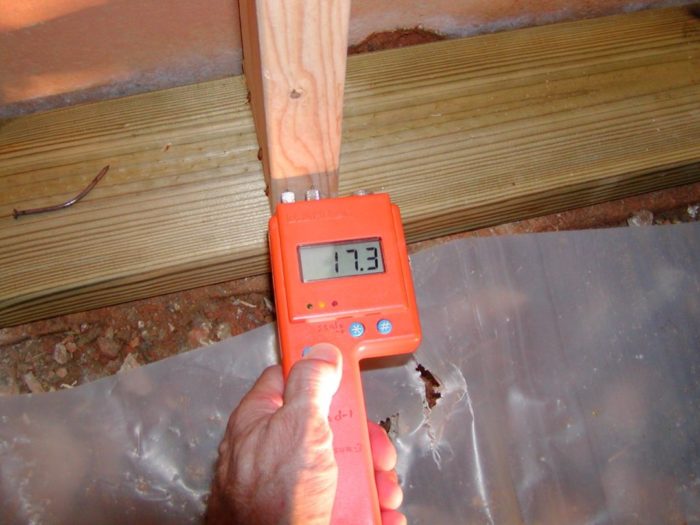
• Pin moisture meter readings in joists
• Hygrometer readings for crawl space humidity
• Subfloor moisture testing
• Visual inspection of insulation
• Evaluation of vapor barrier condition
These tools measure actual moisture content rather than relying on appearance.
Wood framing can appear dry while holding elevated internal moisture.
Detection confirms whether conditions are safe or require drying.
Companies like Inspections and More FL use moisture mapping to guide crawl space stabilization plans.
Targeted detection prevents unnecessary work.
Why Early Detection Prevents Structural Damage
When moisture remains elevated in crawl spaces:
• Wood framing weakens
• Mold growth becomes more likely
• Insulation loses effectiveness
• Flooring adhesives break down
• Odors intensify
Melbourne’s warm coastal climate accelerates microbial growth within 24 to 48 hours on damp materials.
Detecting moisture early allows for:
• Targeted drying
• Vapor barrier repair
• Ventilation improvements
• Dehumidification before mold develops
Waiting increases repair scope.
The Role of Vapor Barriers
Many crawl spaces in Melbourne rely on vapor barriers to reduce ground moisture migration.
Over time, barriers may:
• Tear
• Shift
• Deteriorate
• Leave gaps
Moisture detection includes evaluating vapor barrier performance.
If barriers fail, soil moisture continues rising into the space.
Repairing or replacing barriers often reduces long-term humidity levels.
Detection confirms whether this step is necessary.
HVAC and Ductwork Concerns
Crawl spaces frequently house HVAC ductwork.
When humid air surrounds cool ducts:
• Condensation forms
• Insulation becomes damp
• Moisture drips onto framing
Moisture detection helps identify condensation patterns before mold develops on duct insulation.
Addressing duct insulation and humidity simultaneously prevents recurrence.
Slab Versus Elevated Homes
While many Melbourne homes are slab-built, elevated homes with crawl spaces are common in certain neighborhoods.
Elevated structures may be closer to coastal influences and fluctuating groundwater.
Moisture detection in these properties is especially important after:
• Heavy storms
• Hurricane events
• Prolonged rainy periods
Ground saturation can increase crawl space humidity rapidly.
Routine monitoring limits structural stress.
Preventing Recurring Crawl Space Moisture
Melbourne homeowners can reduce risk by:
• Inspecting crawl spaces annually
• Monitoring humidity levels
• Maintaining vapor barriers
• Ensuring proper grading around foundations
• Servicing HVAC duct insulation
• Scheduling post-storm inspections
Moisture management is ongoing in coastal Florida.
Detection is part of preventive maintenance.
Why Timing Matters in Florida’s Climate
Humidity does not disappear quickly in Melbourne.
Without detection and correction:
• Dampness persists
• Framing remains saturated
• Mold growth risk increases
• Structural repairs become more extensive
Early moisture detection reduces drying time and prevents major remediation.
Small issues are easier to resolve than long-term damage.
Why Local Experience Matters
Moisture behavior in Melbourne differs from inland Sanford and even nearby Palm Bay.
Coastal wind direction, salt exposure, and storm intensity influence crawl space conditions.
Professionals familiar with:
• Local construction styles
• Typical crawl space configurations
• Groundwater behavior
• Seasonal humidity cycles
can interpret moisture readings accurately and recommend appropriate stabilization.
Localized expertise ensures solutions match environmental conditions.
A Practical Next Step
If your Melbourne home has persistent musty odors, elevated indoor humidity, or signs of flooring movement, a crawl space moisture evaluation is a practical step.
Moisture detection protects structural framing before damage escalates.
In Florida’s humid coastal environment, crawl spaces require active monitoring.
Handled early, moisture control protects subflooring, framing, and indoor air quality.
Ignored, it quietly affects the entire structure from below.
