
How Anti-Microbial Fogging Protects Properties in Sanford After Hidden Water Intrusion
Hidden water intrusion in Sanford homes rarely announces itself.
It starts quietly. A slow plumbing leak behind a bathroom wall. Wind-driven rain slipping past window flashing during a summer storm. AC condensation backing up into a ceiling cavity. Weeks can pass before anyone notices a faint musty odor or slight paint bubbling.
By then, moisture has often been sitting inside walls, under flooring, or above ceilings long enough to create microbial growth.
After the moisture source is corrected and drying is completed, anti-microbial fogging can play an important role in protecting the property.
But it has to be done at the right time — and for the right reasons.
Why Hidden Water Intrusion Is Common in Sanford
Sanford homes experience:
• Heavy afternoon thunderstorms
• High summer humidity
• Prolonged rainy periods
• Warm temperatures that slow drying
• Slab foundations vulnerable to vapor transmission
Water doesn’t need to flood a home to create a problem.
Even small leaks can allow moisture to accumulate in:
• Wall cavities
• Ceiling voids
• Subflooring
• HVAC closets
• Insulation layers
Because these areas are enclosed, moisture lingers longer than homeowners expect.
In Florida’s warm climate, that creates an environment where microbial growth can begin within 24 to 48 hours.
What Happens After Moisture Is Discovered
Once hidden water intrusion is confirmed, the recovery process typically includes:
• Identifying and repairing the source
• Removing saturated materials
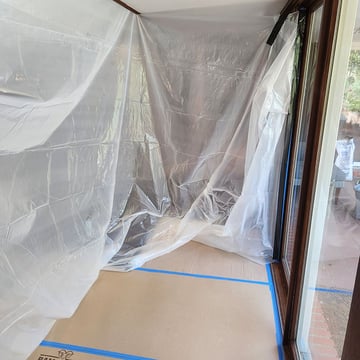
• Establishing containment
• Structural drying with air movers and dehumidifiers
• Ongoing moisture monitoring
Only after materials are dry does anti-microbial fogging become appropriate.
Fogging is not a replacement for drying or removal.
It is a protective finishing step.
What Anti-Microbial Fogging Does
Anti-microbial fogging disperses a fine mist of solution into a contained space.
The particles settle on exposed surfaces, helping to:
• Reduce remaining microbial presence
• Neutralize lingering odors
• Treat areas difficult to wipe manually
• Provide additional surface-level protection
In Sanford homes with hidden water intrusion, fogging is often used after drywall removal or ceiling cavity drying to stabilize cleaned surfaces.
It complements remediation — it does not replace it.
How Fogging Protects the Structure
After hidden water intrusion, even properly dried framing may have been exposed to microbial activity.
Fogging helps by:
• Treating exposed wood framing
• Reaching tight crevices
• Addressing areas around fasteners
• Supporting air quality stabilization
In slab homes common throughout Sanford, fogging may also be applied after subfloor or lower wall drying to reduce residual surface contamination.
This step helps reduce the chance of odor recurrence.
The Importance of Proper Timing
One of the biggest mistakes homeowners make is fogging too early.
If moisture remains in materials:
• Microbial growth may return
• Odors may reappear
• Structural dampness continues
Fogging must follow confirmed structural drying.
Moisture meters and humidity readings should indicate safe levels before application.
Companies like Inspections and More FL prioritize moisture correction before recommending fogging in Sanford properties.
Sequence matters.
Containment and Air Quality
During hidden water intrusion remediation, containment barriers prevent disturbed particles from spreading into unaffected areas.
Air scrubbers may operate during demolition and drying.
Fogging is typically performed within contained zones once drying is complete.
This controlled approach protects indoor air quality while minimizing disruption to the rest of the home.
Why Sanford’s Climate Makes Fogging Relevant
Sanford’s warm inland climate may not carry the same salt air exposure as coastal cities like Melbourne, but humidity levels remain high for much of the year.
Prolonged dampness combined with warm temperatures accelerates microbial activity.
Even after drying, microscopic residues can remain on exposed framing.
Fogging adds an additional protective layer before rebuilding begins.
In Florida’s environment, extra stabilization can make a meaningful difference.
Slab Foundations and Lower Wall Cavities
Many Sanford homes are built on slab foundations.
Hidden water intrusion from plumbing leaks or slab vapor transmission often affects lower wall sections.
After drywall removal and drying, fogging helps treat:
• Stud cavities
• Base plate framing
• Adjacent surfaces
This reduces the likelihood of lingering odor issues once walls are closed again.
Preventing Recurrence After Fogging
Anti-microbial fogging protects surfaces — but preventing recurrence requires moisture management.
Sanford homeowners should:
• Monitor indoor humidity
• Service HVAC systems regularly
• Inspect plumbing annually
• Address minor leaks immediately
• Schedule post-storm evaluations
Humidity control protects the investment made during remediation.
Fogging works best when underlying moisture issues are resolved.
Why Local Experience Matters
Hidden water intrusion in Sanford behaves differently than in coastal communities like Merritt Island or Palm Bay.
Inland rainfall patterns, slab construction styles, and HVAC configurations influence how moisture spreads.
Professionals familiar with:
• Sanford building layouts
• Typical slab foundations
• Local storm intensity
• Seasonal humidity cycles
can determine when fogging is appropriate — and when additional drying or removal is needed.
Localized knowledge ensures targeted treatment without unnecessary procedures.
A Practical Next Step
If your Sanford home has experienced hidden water intrusion and structural drying has been completed, discussing anti-microbial fogging as a finishing step may be worthwhile.
Fogging protects exposed surfaces after moisture correction.
It is part of a structured recovery plan — not a shortcut.
In Florida’s warm climate, stabilizing surfaces after hidden moisture events reduces the chance of lingering odors and microbial concerns.
Moisture may have entered quietly.
Handled properly, recovery can be just as controlled.
