
Thermal Imaging Inspections in Merritt Island in Slab Foundation Houses: Long-Term Protection Strategies
Slab foundation homes are extremely common throughout Merritt Island. They’re strong, stable, and designed to handle Florida’s soil conditions. But when moisture develops beneath or within a slab, identifying it early becomes far more difficult than in homes with crawl spaces.
In coastal Merritt Island, moisture is a constant environmental factor. High humidity, elevated water tables, heavy rainstorms, and salt air exposure all increase the risk of hidden moisture migration. That’s why thermal imaging inspections have become an important long-term protection strategy for slab foundation houses in this area.
Moisture doesn’t always announce itself with obvious flooding or visible leaks. Often, it builds gradually beneath flooring or inside wall systems. Thermal imaging gives homeowners visibility into what can’t be seen — and that visibility is the foundation of long-term protection.
Why Slab Foundation Homes Require Proactive Monitoring
Slab homes are built directly on compacted soil with plumbing lines embedded inside or beneath concrete. This design eliminates crawl space access. While it offers structural durability, it also hides early warning signs of moisture problems.
In Merritt Island, several factors increase the need for monitoring:
- High year-round humidity
- Seasonal tropical storms
- Heavy rainfall
- Elevated groundwater levels
- Aging plumbing infrastructure
When soil remains saturated, vapor pressure beneath the slab increases. Moisture can migrate upward through microscopic pores in concrete. Over time, this can affect flooring adhesives, baseboards, and drywall edges.
Because these issues develop slowly, they often go unnoticed until secondary damage appears.
What Thermal Imaging Inspections Actually Do
Thermal imaging uses infrared technology to detect temperature variations on surfaces. Moisture alters how materials retain and release heat.
When a slab area contains hidden moisture:
- Damp zones often appear cooler due to evaporation
- Temperature patterns differ from surrounding dry materials
- Subtle thermal anomalies become visible
Thermal cameras do not see through concrete like X-ray machines. Instead, they identify temperature irregularities that suggest possible moisture beneath flooring or inside wall cavities.
When combined with moisture meters, inspectors can confirm whether a thermal pattern indicates active moisture.
Common Slab-Related Issues Found in Merritt Island
Thermal imaging inspections in slab homes often reveal:
Slab Leaks
Water supply lines under the slab can corrode over time. A small leak may run continuously for weeks before surfacing.
Signs might include warm areas on tile floors or unexplained increases in water bills.
Vapor Intrusion
Coastal soil saturation after heavy rain can push moisture upward into the slab. Even without a plumbing leak, vapor migration can affect flooring systems.
Storm-Driven Infiltration
Wind-driven rain can penetrate exterior walls, allowing moisture to travel downward and collect along slab edges.
HVAC Condensation Issues
Improper drainage from air handlers located on slab floors may introduce moisture into surrounding materials.
Thermal imaging helps identify these problems early, before structural materials deteriorate.
Long-Term Protection Strategy #1: Routine Inspections
In Merritt Island, periodic thermal imaging inspections provide preventative protection.
Homeowners should consider evaluation:
- After heavy rain or tropical storms
- When indoor humidity spikes unexpectedly
- If flooring begins to shift or buckle
- Before installing new flooring
- When purchasing or selling a property
Routine inspections allow early intervention, reducing repair costs over time.
Long-Term Protection Strategy #2: Plumbing Monitoring
Slab leaks are among the most disruptive and expensive issues in Florida homes.
Because pipes are concealed within concrete, leaks may remain hidden until significant moisture accumulates.
Thermal imaging inspections help detect abnormal temperature zones associated with active leaks.
Annual plumbing checks combined with infrared scanning provide long-term structural security.
Long-Term Protection Strategy #3: Flooring System Protection
Installing new tile, laminate, or hardwood over a damp slab can lead to adhesive failure and mold development beneath materials.
Thermal imaging helps confirm that the slab is dry before flooring installation.
This simple step protects:
- Flooring investment
- Subfloor integrity
- Indoor air stability
Pre-installation inspections are particularly valuable in coastal properties where soil moisture fluctuates.
Long-Term Protection Strategy #4: Humidity Control
Merritt Island’s humidity levels remain elevated for much of the year.
Even without active leaks, high indoor humidity can contribute to condensation near slab edges and lower wall cavities.
Thermal imaging inspections can identify cold spots where condensation may be forming.
Maintaining indoor humidity below 55% reduces stress on slab foundations and surrounding materials.
Long-Term Protection Strategy #5: Post-Storm Assessments
After heavy storms, soil saturation increases hydrostatic pressure beneath slabs.
Scheduling a thermal imaging inspection after severe weather ensures that:
- Moisture has not migrated into the slab
- Wall cavities remain dry
- Flooring systems are unaffected
Early detection prevents long-term structural weakening.
Why Visual Inspections Are Not Enough
Slab foundation moisture rarely presents immediate visible damage.
Flooring may appear intact while moisture remains beneath. Drywall may feel dry while framing behind it contains dampness.
Thermal imaging reveals patterns invisible to the naked eye.
Without infrared evaluation, hidden moisture can persist unnoticed until secondary issues develop.
The Role of Moisture Meters in Confirmation
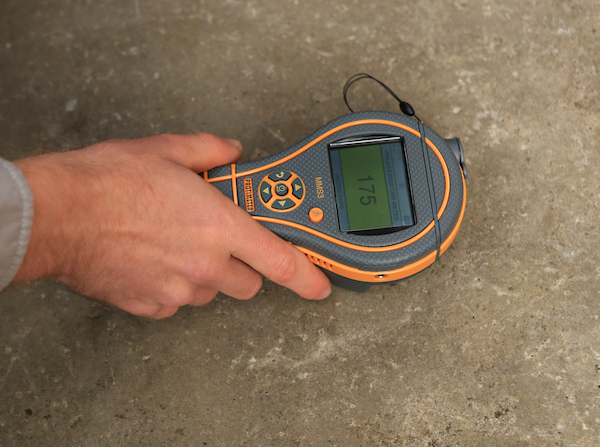
Thermal imaging identifies suspicious areas. Moisture meters confirm moisture levels inside materials.
This combined approach ensures:
- Accurate diagnosis
- Targeted drying
- Minimal demolition
- Efficient repair
Precision is critical in slab foundation homes, where unnecessary removal of flooring can be costly.
The Importance of Local Experience
Merritt Island’s coastal conditions influence moisture behavior significantly.
Professionals familiar with:
- High water table dynamics
- Coastal humidity cycles
- Slab construction methods
- Storm-driven infiltration patterns
are better equipped to interpret thermal imaging findings accurately.
Inspections and More FL works throughout Merritt Island, applying thermal imaging strategies tailored specifically to Florida’s coastal environment.
Local experience ensures that minor temperature variations are interpreted correctly and not mistaken for structural problems.
A Practical Approach to Long-Term Protection
Thermal imaging inspections are not just reactive tools for emergencies. They are proactive measures that protect slab foundation homes over time.
For Merritt Island homeowners, long-term protection includes:
- Monitoring slab moisture
- Inspecting after storms
- Evaluating plumbing annually
- Verifying slab dryness before renovations
- Managing indoor humidity consistently
Hidden moisture rarely resolves on its own in Florida’s climate.
By using thermal imaging as part of a preventative maintenance plan, homeowners gain clarity and confidence in their property’s condition.
In coastal slab foundation houses, protection begins with visibility. And thermal imaging provides that visibility — quietly, accurately, and without invasive damage — helping ensure your Merritt Island home remains structurally sound for years to come.
