
Understanding Anti-Microbial Fogging Challenges in Palm Bay After Hidden Water Intrusion
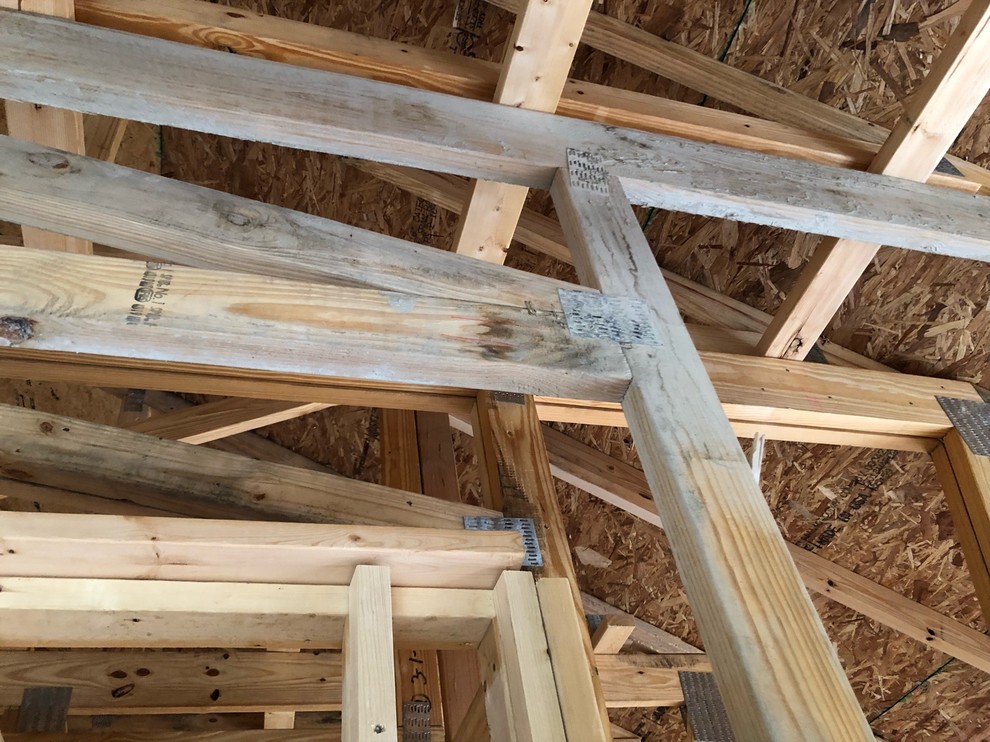
Hidden water intrusion is one of the most common causes of mold concerns in Palm Bay homes. Unlike a major flood or obvious pipe burst, hidden moisture problems often develop quietly. A slow leak behind a wall, a minor roof penetration during a storm, or an unnoticed AC condensation issue can allow water to sit inside structural materials for days or weeks.
By the time musty odors appear or drywall begins to discolor, microbial growth may already be developing inside walls, under flooring, or in attic framing. At this stage, anti-microbial fogging is often considered as part of the solution. However, in Palm Bay’s humid coastal climate, fogging presents unique challenges and must be handled carefully to be effective long term.
Understanding how anti-microbial fogging works — and where it fits into the remediation process — helps property owners avoid incomplete fixes and recurring problems.
What Anti-Microbial Fogging Actually Does
Anti-microbial fogging uses specialized equipment to disperse a fine mist of treatment solution throughout an affected space. The fog settles on exposed surfaces and helps neutralize microbial contaminants and reduce airborne spores.
Fogging is typically used to:
- Reduce airborne microbial particles
- Treat exposed structural surfaces
- Support odor reduction
- Assist during containment procedures
It is important to understand that fogging does not physically remove mold growth. It does not replace structural drying. It does not eliminate moisture trapped inside porous materials.
In Palm Bay, where humidity levels are already elevated, fogging must be part of a coordinated remediation strategy.
Why Hidden Water Intrusion Makes Fogging More Complex
Hidden water intrusion usually affects areas that are not easily accessible, including:
- Wall cavities
- Subfloor systems
- Attic insulation
- Crawl spaces
- Cabinet interiors
If moisture remains trapped in these areas, fogging alone cannot resolve the underlying problem.
Fogging solution settles primarily on exposed surfaces. It cannot penetrate deep into saturated drywall, wood framing, or insulation. If those materials remain damp, microbial activity can continue internally even after fogging.
This is one of the primary challenges in Palm Bay homes after hidden leaks.
The Humidity Factor in Palm Bay
Palm Bay’s coastal location means high humidity is present year-round. Even without a water event, indoor humidity can approach levels that support mold growth.
When hidden water intrusion adds additional moisture, drying becomes slower. Materials release moisture gradually into the air, raising indoor humidity levels further.
If fogging is performed before humidity is controlled, the treatment may not provide lasting results. Moisture must be addressed first through proper drying and dehumidification.
Timing is critical in Florida’s climate.
Common Misunderstandings About Fogging
Homeowners often believe fogging is a standalone solution. Common misconceptions include:
- Fogging eliminates all mold instantly
- Fogging replaces mold removal
- Fogging corrects moisture problems
- Fogging is sufficient for hidden growth
In reality, fogging is a supporting step. It is most effective when used after:
- Leak sources are corrected
- Structural materials are dried
- Visible mold growth is removed
- Containment is properly established
Skipping these steps often leads to reoccurring issues.
Porous Materials and Absorbed Moisture
Palm Bay homes commonly contain drywall, wood framing, particleboard cabinetry, and insulation — all porous materials.
When hidden leaks occur, these materials absorb moisture deeply. Surface fogging treatments cannot reach moisture trapped inside wood grain or behind drywall paper backing.
If moisture levels remain elevated inside these materials, microbial growth can reactivate.
In some cases, saturated materials must be removed before fogging can be effective.
The Importance of Moisture Detection Before Fogging
Before anti-microbial fogging is considered, moisture detection should confirm:
- All active leaks are repaired
- No hidden damp areas remain
- Humidity levels are stabilized
- Structural materials are within safe moisture ranges
Moisture meters and thermal imaging tools help identify concealed dampness that cannot be seen visually.
In Palm Bay’s humid environment, surfaces may appear dry while internal framing still contains moisture.
Fogging without confirmation of dryness often produces temporary results.
HVAC and Airflow Complications
Hidden water intrusion sometimes affects HVAC systems, especially when condensation lines overflow or attic leaks saturate duct insulation.
If ductwork contains moisture or contamination, fogging in open living spaces may not address the entire system.
Air circulation can redistribute contaminants if HVAC components are not inspected and corrected.
Professional remediation plans often include evaluating air handling systems alongside fogging treatments.
Why DIY Fogging Often Falls Short
Retail fogging devices are available, but they typically lack the control and precision of professional equipment.
DIY fogging attempts may:
- Over-apply treatment
- Miss concealed cavities
- Fail to address moisture sources
- Spread contaminants without containment
Without moisture correction, fogging may only mask odors temporarily.
In Palm Bay’s climate, moisture control must always come first.
Integrating Fogging Into a Complete Remediation Plan
When used appropriately, anti-microbial fogging can be valuable. It works best as part of a broader strategy that may include:
- Structural dryouts
- Dehumidification
- Mold remediation
- Air scrubbing
- Surface treatment
- Moisture source correction
Each property requires evaluation to determine which combination of steps is necessary.
Fogging is a tool — not a universal solution.
Long-Term Prevention in Palm Bay Homes
After hidden water intrusion and remediation, preventing future moisture buildup is essential.
Homeowners can reduce risk by:
- Monitoring indoor humidity levels
- Servicing AC systems regularly
- Inspecting plumbing connections
- Cleaning condensate lines
- Evaluating roofs before storm season
- Scheduling periodic moisture inspections
Maintaining indoor humidity below 55% significantly reduces mold risk.
In coastal Palm Bay, humidity management is ongoing, not seasonal.
Why Local Experience Matters
Palm Bay properties experience unique environmental pressures. Salt air exposure, frequent storms, and persistent humidity create conditions that differ from inland areas.
Professionals familiar with:
- Florida building materials
- Coastal humidity cycles
- Slab and attic moisture behavior
- Storm-driven infiltration patterns
are better equipped to determine when anti-microbial fogging is appropriate and when additional measures are required.
Inspections and More FL works with properties throughout Palm Bay, focusing on correcting moisture first and integrating fogging only when it supports long-term stability.
A Measured and Practical Approach
If your Palm Bay property has experienced hidden water intrusion and you are considering anti-microbial fogging, the first step should be a comprehensive evaluation.
Fogging can support recovery, but only after moisture sources are eliminated and materials are properly dried.
In Florida’s humid coastal environment, long-term protection depends on addressing the root cause — not just treating the symptoms.
A balanced, professional approach ensures your home remains dry, structurally stable, and protected against recurring microbial concerns in Palm Bay’s demanding climate.
