
Understanding Air Scrubbing Challenges in Cocoa in Waterfront Homes
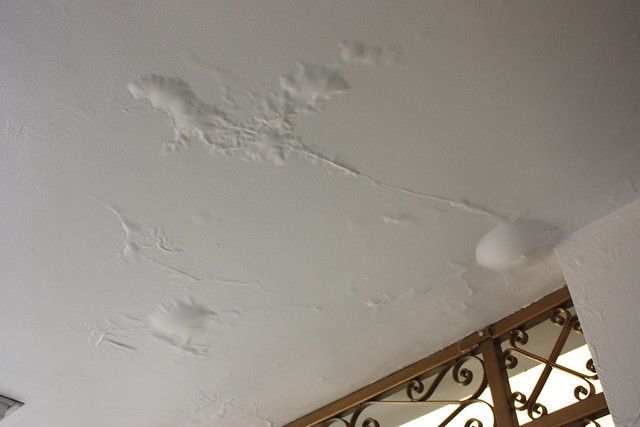
Waterfront homes in Cocoa offer incredible views and coastal breezes, but they also face a constant battle with humidity, salt air, and storm exposure. Living near the water means your property is always interacting with moisture in some form. Over time, that exposure increases the risk of water intrusion, mold development, and indoor air quality issues.
When contamination occurs, air scrubbing often becomes part of the remediation process. However, air scrubbing in waterfront homes presents unique challenges that differ from inland properties. The coastal environment directly affects how moisture behaves, how contaminants spread, and how effective filtration systems can be.
Understanding these challenges helps homeowners take a practical and informed approach when addressing air quality concerns in Cocoa’s waterfront properties.
What Air Scrubbing Actually Does
Air scrubbing is the process of using commercial-grade filtration equipment — typically equipped with HEPA filters — to remove airborne particles from indoor environments.
These particles may include:
- Mold spores
- Dust and insulation fibers
- Microbial fragments
- Odor-causing particles
- Construction debris during remediation
Air scrubbers continuously draw contaminated air into the machine, filter it through multiple stages, and release cleaned air back into the space.
In waterfront Cocoa homes, air scrubbing is often used after:
- Roof leaks from heavy storms
- Minor flooding events
- Mold remediation projects
- Attic contamination
- Interior water damage
While air scrubbing improves airborne conditions, it must be properly integrated into a full moisture control strategy.
Why Waterfront Homes Face Greater Air Quality Risks
Cocoa waterfront properties experience environmental conditions that amplify indoor air challenges.
Persistent Humidity
Humidity levels near water are consistently elevated. High moisture content in the air supports mold growth and keeps airborne particles suspended longer.
Salt Air Exposure
Salt particles enter homes through ventilation systems, open windows, and minor building envelope gaps. Salt accelerates material deterioration, leading to more debris becoming airborne during remediation.
Storm Vulnerability
Waterfront homes are more exposed to wind-driven rain. Even minor roof penetrations can introduce moisture into attics and wall cavities.
Elevated Ground Moisture
High water tables contribute to slab vapor intrusion and crawl space humidity.
These factors create an environment where air contamination is more likely and more persistent.
The Challenge of Ongoing Moisture
One of the biggest challenges with air scrubbing in Cocoa waterfront homes is active or residual moisture.
Air scrubbers remove airborne contaminants, but they do not remove moisture from structural materials.
If drywall, insulation, or subfloors remain damp:
- Mold can continue developing
- Airborne spores may reappear
- Odors may persist
In coastal climates, drying must occur before or alongside air scrubbing. Without proper dehumidification, filtration alone is temporary.
Humidity control is the foundation of effective air quality restoration.
Large Open Layouts and Airflow Complexity
Many waterfront homes in Cocoa feature:
- Open floor plans
- Vaulted ceilings
- Large glass doors and windows
- Expansive living spaces
While attractive, these layouts complicate air scrubbing efforts.
Open spaces make it harder to:
- Create proper containment zones
- Control airflow direction
- Maintain negative air pressure
Air scrubbers function best when contaminated areas are isolated. In large waterfront homes, strategic equipment placement becomes critical.
Professional setup ensures airflow supports filtration rather than spreading contaminants.
HVAC Systems as a Distribution Path
Air conditioning systems operate frequently in waterfront properties to manage humidity.
If contamination occurs in attics or wall cavities, HVAC systems may distribute spores throughout the home.
Air scrubbing must sometimes be paired with:
- Duct inspection
- HVAC system cleaning
- Filter replacement
- Condensate line evaluation
Ignoring HVAC components can limit the effectiveness of air filtration.
In Florida’s long cooling seasons, HVAC systems play a significant role in overall indoor air stability.
Salt Air and Equipment Wear
Salt exposure doesn’t only affect building materials. It also affects remediation equipment.
Coastal air can accelerate corrosion of metal components within HVAC systems and structural materials. Over time, deteriorating materials produce additional airborne particles during disturbances.
Air scrubbing must account for these environmental conditions.
Routine maintenance and professional evaluation help ensure that equipment performs efficiently in coastal environments.
Timing Air Scrubbing Correctly
Another major challenge is determining when to implement air scrubbing.
If used too early, before contaminated materials are removed, airborne particles may continue to be generated.
If used too late, contaminants may already have spread into unaffected areas.
The most effective timing is:
- During mold remediation
- After removing water-damaged materials
- While drying equipment is operating
- In contained zones
Coordinating air scrubbing with structural drying produces more stable results.
Why DIY Air Purifiers Fall Short
Homeowners often try small residential air purifiers to address musty smells or visible dust.
While helpful for routine air filtration, they typically:
- Lack sufficient airflow capacity
- Cannot support containment strategies
- Are not designed for remediation-level contamination
Waterfront homes affected by moisture intrusion require commercial-grade equipment capable of handling larger volumes of contaminated air.
DIY units may reduce surface symptoms but rarely address the full scope of contamination.
Managing Humidity for Long-Term Success
Long-term air quality protection in Cocoa waterfront homes depends on controlling indoor humidity.
Recommended strategies include:
- Maintaining indoor humidity below 55%
- Servicing HVAC systems regularly
- Cleaning condensate lines
- Inspecting attic ventilation
- Sealing exterior penetrations
- Scheduling post-storm inspections
Without consistent humidity management, airborne contaminants can return even after thorough remediation.
Waterfront properties demand ongoing vigilance.
The Importance of Professional Evaluation
Every waterfront property in Cocoa has unique characteristics. Construction style, elevation, proximity to water, and building age all influence moisture behavior.
Professionals familiar with coastal Florida conditions understand:
- How wind-driven rain infiltrates structures
- How salt air impacts materials
- How humidity affects airborne contamination
- How to balance air scrubbing with drying
Inspections and More FL works with waterfront homes throughout Cocoa, applying air scrubbing strategies as part of a comprehensive moisture management plan.
Local experience ensures that air scrubbing is used effectively and at the appropriate stage of remediation.
A Practical Approach for Waterfront Homeowners
If your Cocoa waterfront home has experienced water intrusion, mold growth, or persistent indoor air concerns, air scrubbing may be part of the solution.
However, it should never stand alone.
Effective remediation requires:
- Identifying and correcting moisture sources
- Drying structural components
- Removing contaminated materials
- Filtering airborne particles
In coastal environments, moisture and air quality are closely connected.
By addressing both simultaneously, waterfront homeowners can protect their property, improve indoor air stability, and reduce the risk of recurring issues.
Living near the water brings many advantages. With proper moisture management and thoughtful air quality strategies, it doesn’t have to bring long-term air contamination challenges.
