
Dehumidification in Cocoa After Hidden Water Intrusion: Cost Factors and Recovery Insights
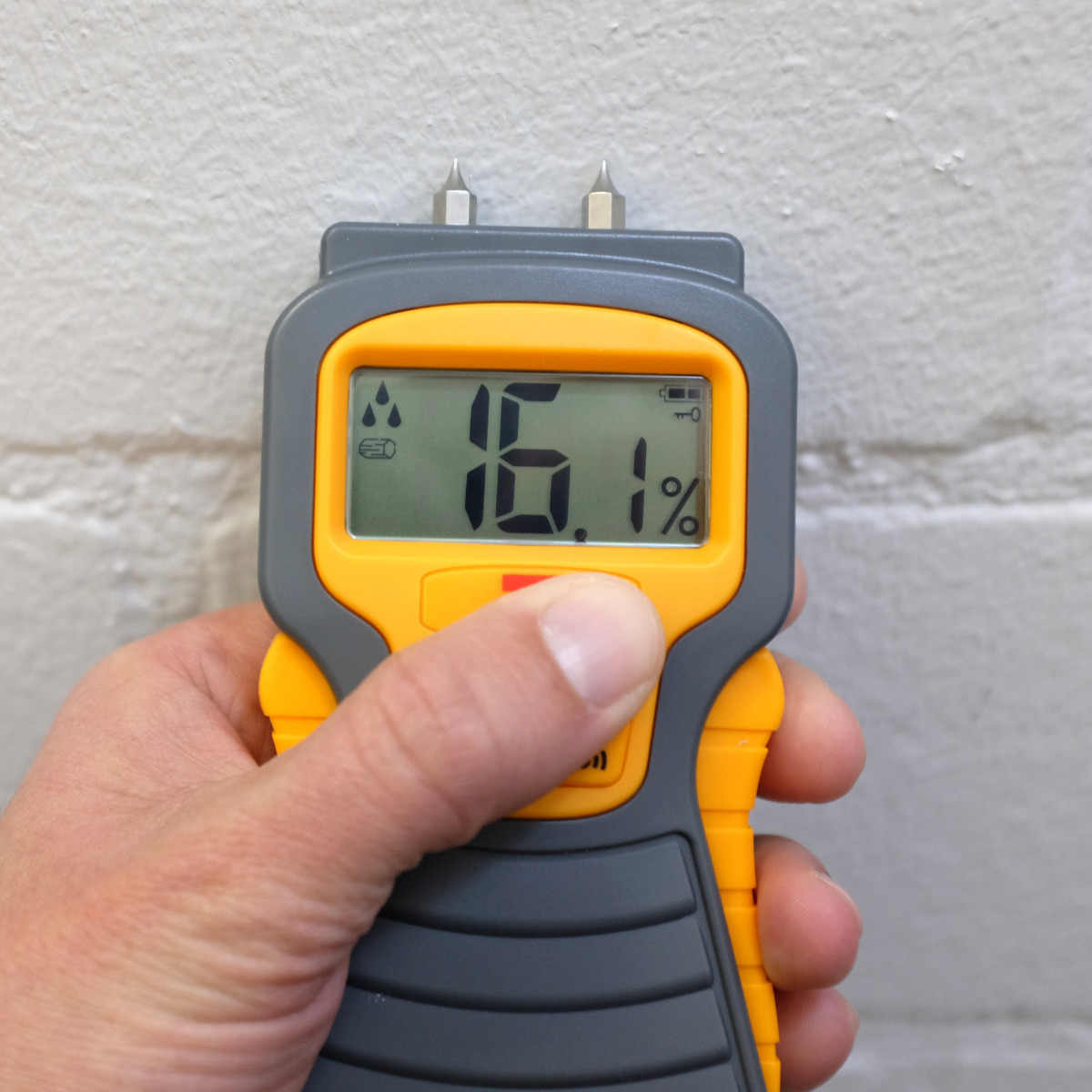
Hidden water intrusion is one of the most common problems we see in Cocoa homes. It often starts quietly — a slow plumbing leak, AC condensation inside walls, minor roof seepage after a storm, or moisture creeping in through a slab foundation. By the time homeowners notice something feels off, humidity levels inside the property have already risen beyond what’s safe.
In Cocoa and surrounding Brevard County areas, persistent humidity makes these issues worse. Once water gets trapped inside walls, under flooring, or within insulation, it doesn’t dry out on its own. That’s where professional dehumidification becomes critical.
Let’s break down how dehumidification works, what affects the cost, and what property owners should understand about the recovery process.
What Hidden Water Intrusion Really Means
Hidden water intrusion isn’t standing floodwater. It’s moisture that penetrates structural materials and stays trapped.
In Cocoa homes, we commonly find it:
- Behind drywall after a plumbing drip
- Under tile or hardwood flooring
- Inside attic insulation after roof damage
- Around AC air handlers and duct lines
- Along slab foundation edges
Because Cocoa sits near the coast with a high water table and year-round humidity, even a small leak can lead to elevated indoor moisture levels that linger.
Water absorbs into drywall, wood framing, subfloors, and insulation. Without controlled drying, that moisture creates the perfect environment for mold growth and material deterioration.
Why Cocoa Homes Are Especially Vulnerable
Cocoa’s climate plays a major role.
We deal with:
- High ambient humidity nearly all year
- Frequent rainstorms and hurricane seasons
- Coastal air exposure
- High groundwater levels
- AC systems running almost constantly
When a home already operates in a humid environment, hidden moisture doesn’t evaporate easily. Instead, it equalizes with the surrounding air and spreads.
Older Florida homes in Cocoa also tend to have:
- Slab foundations
- Minimal vapor barriers
- Aging plumbing lines
- Older insulation systems
All of these factors increase the need for professional dehumidification when hidden water intrusion occurs.
Early Signs Homeowners Often Notice
Hidden water doesn’t stay hidden forever. Cocoa property owners usually start noticing subtle changes:
- Musty or damp smells
- Slight warping of baseboards
- Flooring that feels uneven
- Paint bubbling or discoloration
- AC running longer than usual
- Indoor air feeling heavy or humid
Sometimes there’s no visible damage at all — just an unexplained humidity spike.
Ignoring these signs allows moisture to continue spreading behind surfaces.
Why DIY Drying Methods Fall Short
It’s common for homeowners to try:
- Household fans
- Store-bought dehumidifiers
- Opening windows
- Surface cleaning
The problem? These approaches only dry surface air, not structural materials.
Hidden water intrusion requires:
- Moisture mapping
- Professional-grade LGR dehumidifiers
- Air movers positioned strategically
- Controlled airflow patterns
- Continuous humidity monitoring
Without removing moisture from inside materials, drying remains incomplete. That incomplete drying is what leads to long-term issues.
What Professional Dehumidification Involves
In Cocoa homes, proper dehumidification follows a structured process.
1. Moisture Detection and Mapping
Technicians use:
- Moisture meters
- Thermal imaging cameras
- Hygrometers
This identifies exactly where water migrated.
2. Controlled Air Movement
Air movers are placed to circulate air across wet surfaces and within wall cavities when needed.
3. Industrial Dehumidifiers
Low Grain Refrigerant (LGR) dehumidifiers pull moisture from the air continuously. As materials release moisture into the air, the dehumidifier captures it.
4. Monitoring and Adjustment
Humidity levels and moisture readings are checked daily to ensure structural materials are drying at the proper rate.
5. Final Verification
The process ends only when materials return to acceptable moisture levels for Florida climate conditions.
This is the difference between drying air and drying a structure.
Cost Factors for Dehumidification in Cocoa
Costs vary based on several important factors.
Size of Affected Area
A single room will cost significantly less than drying:
- Multiple rooms
- Entire flooring sections
- Wall cavities
- Attic spaces
Type of Materials Affected
Different materials hold moisture differently:
- Carpet and pad
- Hardwood flooring
- Tile over slab
- Drywall
- Insulation
Hardwood flooring and wall cavities often require extended drying time.
Duration of Moisture Exposure
The longer water sits, the deeper it penetrates. Extended exposure increases drying time and equipment needs.
Equipment Requirements
Larger losses require:
- Multiple dehumidifiers
- Additional air movers
- HEPA air scrubbers
- Containment systems
More equipment means higher cost.
Accessibility
If moisture is trapped behind walls or under flooring, partial material removal may be required to allow airflow.
The Recovery Timeline
Most residential dehumidification projects in Cocoa take between:
- 3 to 7 days for moderate intrusion
- 7 to 14 days for larger structural drying
Weather conditions also impact drying speed. During heavy rain seasons, outdoor humidity can slow the process, requiring longer equipment operation.
Patience is important. Rushing structural drying can cause long-term issues that cost far more later.
Why Moisture Control Must Accompany Drying
Dehumidification alone isn’t enough if the moisture source isn’t corrected.
Common sources include:
- Roof leaks
- Plumbing failures
- AC drain line clogs
- Slab seepage
- Window or door flashing issues
At Inspections and More FL, we focus on identifying and correcting the source first. Drying without correction is temporary.
Long-Term Prevention for Cocoa Properties
After recovery, prevention becomes the priority.
Maintain Your AC System
Regular AC inspections prevent condensation buildup and drain line failures.
Monitor Indoor Humidity
Keep indoor humidity between 45% and 55%. Consider whole-home dehumidification systems if needed.
Schedule Post-Storm Inspections
After hurricanes or heavy storms, hidden moisture can enter attic spaces and wall cavities without obvious leaks.
Inspect Plumbing Annually
Small pipe leaks often cause the most expensive hidden damage because they go unnoticed for months.
Evaluate Older Homes Carefully
Homes with slab foundations and aging insulation should be monitored regularly for moisture shifts.
Why Local Experience Matters in Cocoa
Florida drying is different from drying in other states.
Technicians must understand:
- Coastal humidity patterns
- Cocoa’s water table conditions
- Common slab foundation behaviors
- AC-driven condensation cycles
- Storm-related intrusion patterns
A team unfamiliar with Florida climate can underestimate drying requirements.
Local knowledge allows faster identification of hidden moisture migration paths and more accurate equipment planning.
Inspections and More FL works specifically within Cocoa, Palm Bay, Melbourne, Merritt Island, Sanford, and surrounding communities. Understanding how Florida homes breathe — and trap moisture — makes all the difference.
Final Thoughts for Cocoa Property Owners
Hidden water intrusion is frustrating because it rarely announces itself loudly. But when humidity rises or materials feel damp, waiting only increases repair costs.
Professional dehumidification protects:
- Structural integrity
- Flooring systems
- Indoor air quality
- Long-term property value
The key is acting early and drying thoroughly.
If your Cocoa property has experienced hidden water intrusion — whether from plumbing, storms, or AC issues — scheduling a proper moisture evaluation ensures the problem is fully resolved and not just temporarily masked.
Drying isn’t just about removing water. It’s about restoring balance inside the structure so your home stays stable, safe, and resilient against Florida’s humidity for years to come.
