
Mold Removal in Cocoa in Slab Foundation Houses: Common Mistakes Homeowners Make
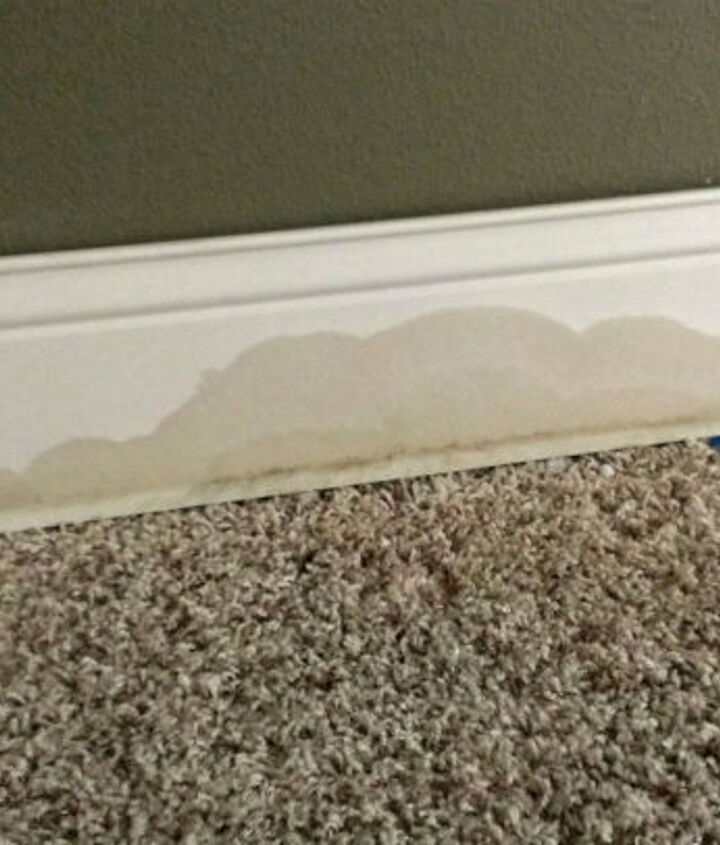
Slab foundation homes are extremely common in Cocoa and throughout Brevard County. They’re durable, practical for Florida’s terrain, and well-suited for coastal conditions. But when it comes to hidden moisture and mold growth, slab construction creates challenges that many homeowners don’t fully understand.
Mold removal in slab foundation houses is rarely just about wiping down a wall or repainting a stained area. In Cocoa’s humid climate, moisture often moves through concrete, under flooring, and inside lower wall cavities — quietly and consistently.
The real issue isn’t just mold itself. It’s the mistakes homeowners make when trying to handle it.
Let’s take a closer look at why slab homes are vulnerable and what commonly goes wrong during mold removal.
Why Slab Foundation Homes in Cocoa Face Unique Mold Risks
Unlike crawl space homes, slab foundation houses sit directly on concrete. That concrete rests on soil — and in Brevard County, the water table is often relatively high.
Several local factors increase risk:
High Ground Moisture
Concrete is porous. It can absorb and release moisture from the ground below.
Coastal Humidity
Cocoa’s proximity to the coast means constant ambient moisture in the air.
Heavy Rainstorms
Frequent downpours saturate soil around the foundation.
AC Condensation
Air conditioning systems running year-round create localized moisture near air handlers.
When slab foundations release moisture upward, it often becomes trapped beneath flooring or inside baseboards.
Over time, that trapped moisture supports mold growth along lower walls.
Where Mold Commonly Develops in Slab Homes
In Cocoa slab foundation houses, mold frequently appears:
- Along baseboards
- Behind lower drywall sections
- Under laminate or vinyl flooring
- Beneath carpet padding
- Around exterior wall corners
- Near sliding glass doors
Because moisture enters from below, the bottom 12–24 inches of walls are often the most affected.
Unfortunately, many homeowners focus only on visible staining.
Common Mistake #1: Treating Surface Mold Only
One of the most frequent mistakes is cleaning visible mold without addressing moisture inside the slab or wall cavity.
Homeowners often:
- Spray bleach on drywall
- Wipe baseboards
- Paint over discolored areas
Bleach does not penetrate porous materials like drywall or wood framing. It may lighten the surface while leaving growth embedded inside.
If moisture remains in the slab or wall cavity, mold typically returns.
Common Mistake #2: Ignoring Slab Moisture Testing
In slab homes, the foundation itself can be the moisture source.
Without proper testing, homeowners may not realize that:
- Vapor transmission is occurring
- Flooring adhesives are failing due to moisture
- Humidity levels near the floor are elevated
Moisture meters designed for concrete can detect elevated readings beneath flooring.
Skipping this step often leads to repeated mold issues.
Common Mistake #3: Replacing Flooring Without Drying the Slab
After water intrusion, some homeowners remove damaged flooring and immediately install new materials.
If the slab hasn’t been properly dried or tested:
- Moisture can migrate into the new flooring
- Warping may occur
- Mold can redevelop beneath surfaces
Florida’s humidity slows slab drying significantly.
Structural drying and dehumidification are often necessary before reinstalling flooring.
Common Mistake #4: Overlooking AC and Humidity Issues
Air conditioning systems in Cocoa homes run frequently.
If condensate lines clog or drain pans overflow, water may spread along slab edges.
Additionally, if indoor humidity remains above 60%, lower wall sections are constantly exposed to damp conditions.
Without correcting HVAC issues, mold removal becomes temporary.
Common Mistake #5: Skipping Professional Containment
When mold removal requires drywall removal, proper containment is critical.
DIY demolition without containment can:
- Spread spores to unaffected areas
- Increase cleanup complexity
- Create cross-contamination
Professional remediation isolates affected areas before removal begins.
How Mold Removal Should Be Handled in Slab Homes
A structured approach protects both the home and its occupants.
Step 1: Moisture Assessment
Identify whether the slab is releasing moisture and test wall cavities.
Step 2: Source Correction
Address drainage, plumbing, AC issues, or exterior intrusion.
Step 3: Containment
Isolate affected areas before demolition.
Step 4: Removal of Contaminated Materials
Remove damaged drywall and insulation when necessary.
Step 5: Structural Drying
Use commercial-grade dehumidifiers and air movers to dry the slab and framing.
Step 6: Cleaning and Treatment
Clean exposed framing and apply appropriate protective treatments when needed.
Step 7: Verification
Confirm moisture levels have returned to safe ranges before rebuilding.
At Inspections and More FL, mold removal in Cocoa slab homes focuses on moisture control first — cosmetic repairs come last.
Why Slab Moisture Is Often Misunderstood
Many homeowners assume that if there was no visible flood, the slab must be dry.
In reality:
- Concrete absorbs ground moisture slowly
- Heavy rainfall increases vapor pressure
- Flooring materials can trap moisture beneath them
Even without standing water, vapor transmission alone can support mold growth.
Understanding this behavior is essential in Florida construction.
Long-Term Risks of Improper Mold Removal
When slab moisture isn’t addressed properly, homeowners may experience:
- Recurring mold along baseboards
- Flooring adhesive failure
- Warped laminate or vinyl planks
- Persistent musty odors
- Elevated indoor humidity
These issues often repeat until the underlying moisture source is corrected.
Preventing Mold in Cocoa Slab Homes
Prevention strategies include:
Monitor Indoor Humidity
Keep levels between 45–55%.
Maintain Proper Drainage
Ensure gutters and grading direct water away from the foundation.
Seal Exterior Penetrations
Prevent wind-driven rain from entering wall cavities.
Maintain HVAC Systems
Clear condensate lines regularly.
Schedule Periodic Moisture Evaluations
Especially after heavy storms.
Routine inspections across Cocoa and nearby Melbourne help catch slab-related moisture early.
Why Local Experience Matters in Cocoa
Slab foundation homes in Florida behave differently than homes in dry climates.
Cocoa properties face:
- Persistent coastal humidity
- High water tables
- Frequent storms
- Warm temperatures year-round
Interpreting slab moisture readings requires understanding these environmental factors.
Local experience ensures that mold removal addresses both contamination and moisture behavior specific to Florida conditions.
A Calm, Practical Next Step
If your Cocoa slab foundation home has visible mold near the floor — or if you suspect hidden moisture beneath flooring — scheduling a professional moisture evaluation is a smart step.
An assessment can determine:
- Whether the slab is releasing moisture
- If wall cavities are affected
- Whether structural drying is necessary
- How to prevent recurrence
Inspections and More FL works with homeowners throughout Cocoa, Palm Bay, Melbourne, Merritt Island, and Sanford to evaluate slab-related moisture and manage mold removal using structured, Florida-specific methods.
Mold removal in slab homes isn’t just about cleaning surfaces. It’s about understanding how moisture moves from the ground up — and correcting it at the source.
