
Why Air Blower Installation Becomes Necessary in Sanford Following Hurricane Damage
When a hurricane moves through Sanford, the visible damage often gets the most attention — missing shingles, fallen branches, soaked carpets. But what many homeowners don’t immediately see is the moisture that settles behind walls, beneath flooring, and inside structural cavities. In Florida’s humid climate, that hidden moisture does not dry quickly on its own.
That’s where air blower installation becomes necessary.
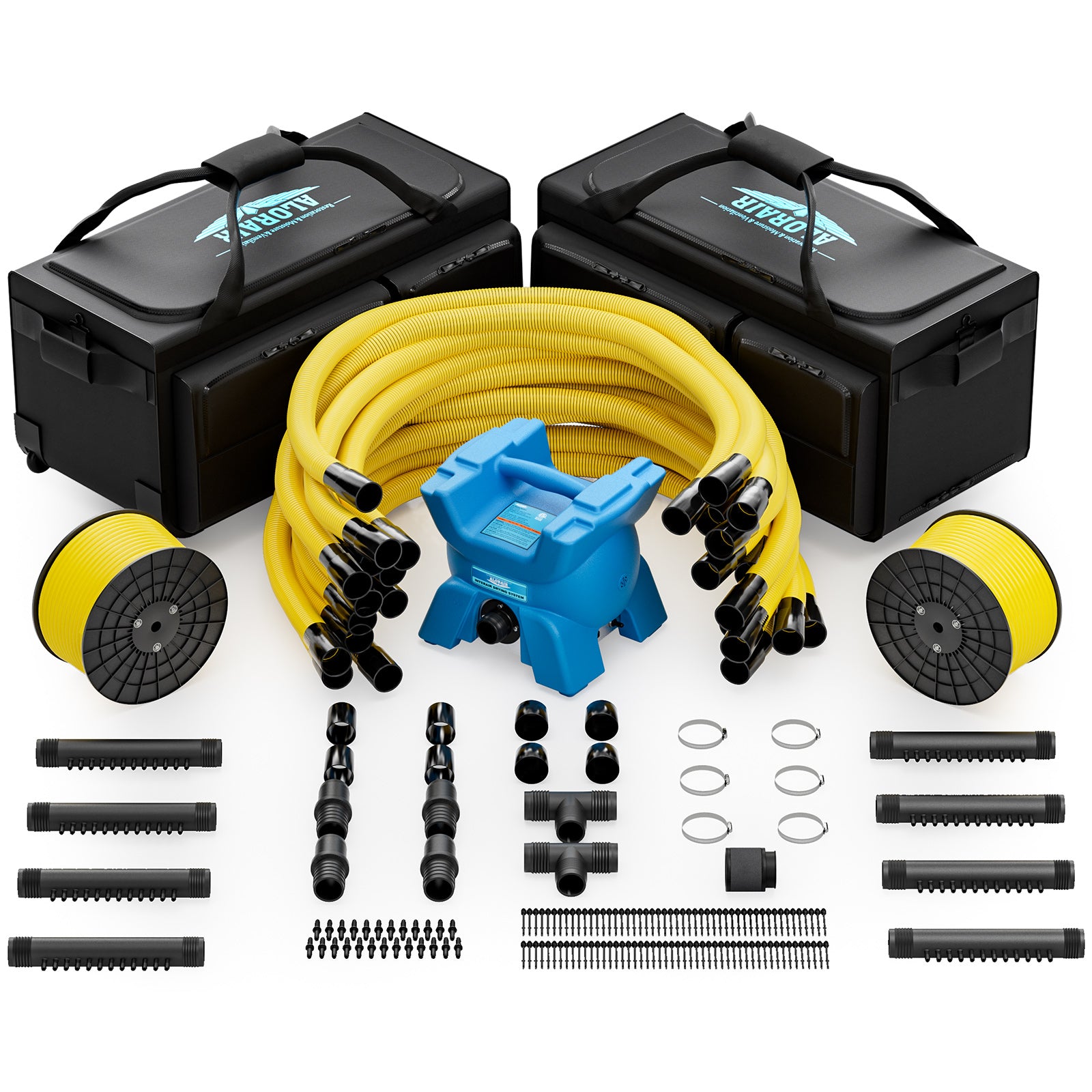
Air blowers, also known as air movers, play a central role in structural dryouts after hurricane damage. They help remove trapped moisture from building materials, reduce drying time, and prevent long-term structural issues. In Sanford and surrounding Central Florida areas, this step is often critical for proper recovery.
Let’s break down why.
What Hurricane Damage Really Does to a Structure
Hurricanes don’t just bring rain — they bring wind-driven water. That water can enter a home through:
- Roof flashing gaps
- Lifted shingles
- Soffit vents
- Window and door seals
- Garage door edges
- Exterior siding seams
Even if you never see standing water inside, moisture may have penetrated the building envelope. Once inside, it spreads through:
- Drywall
- Wood framing
- Insulation
- Subfloors
- Baseboards
These materials absorb water quickly. And in Sanford’s humid environment, they don’t release it easily.
Why Sanford Homes Face Unique Drying Challenges
Sanford properties are affected by several environmental factors that slow natural drying:
- High year-round humidity
- Frequent summer thunderstorms
- Warm temperatures that accelerate moisture spread
- High groundwater levels
- Heavy AC usage creating condensation
After a hurricane passes, outdoor humidity often remains elevated for days. Opening windows can introduce even more moisture indoors.
Additionally, many Florida homes sit on slab foundations. Concrete slabs can retain moisture and slow evaporation from flooring systems and lower walls.
Because of these conditions, relying on passive air circulation simply isn’t enough.
What Air Blowers Actually Do
Air blowers are high-velocity drying machines designed to push air across wet materials. They accelerate evaporation by:
- Increasing airflow along damp surfaces
- Forcing air into wall cavities
- Preventing moisture from stagnating
- Supporting dehumidification systems
They do not remove moisture from the air directly — that’s the job of dehumidifiers. Instead, air blowers move moisture out of materials so it can be captured and removed from the environment.
Without proper air movement, moisture can stay trapped for extended periods.
Why Air Blower Installation Becomes Necessary After Hurricanes
1. Hidden Moisture Travels Beyond the Obvious Area
Hurricane water intrusion rarely stays in one place. Water can migrate laterally along framing and downward into subfloors.
Air blowers help dry:
- Lower wall sections
- Base plates
- Exterior wall cavities
- Subflooring
- Cabinet bases
They ensure airflow reaches areas that would otherwise remain damp.
2. High Humidity Slows Evaporation
Sanford’s post-storm humidity reduces the natural evaporation rate. Materials may remain wet even if surfaces feel dry to the touch.
Air blowers dramatically increase evaporation speed by maintaining constant airflow across affected zones.
3. Preventing Structural Warping and Swelling
Prolonged moisture exposure can cause:
- Swollen drywall
- Warped wood framing
- Flooring separation
- Insulation breakdown
- Persistent musty odors
Prompt air movement reduces the time materials remain saturated, protecting structural stability.
4. Supporting Complete Structural Dryouts
Air blowers are essential components of structural dryouts. They work in combination with commercial dehumidifiers to create controlled drying conditions.
Without air movement, dehumidifiers cannot effectively extract moisture embedded deep within materials.
Why Household Fans Aren’t Enough
Many homeowners attempt to use box fans after hurricane damage. While this can circulate air, it lacks:
- High-velocity directional airflow
- Continuous operation designed for restoration
- Strategic placement based on moisture mapping
- Integration with dehumidification systems
Professional air blowers are positioned carefully to maximize drying efficiency and avoid leaving moisture pockets behind.
The Step-by-Step Air Blower Installation Process
At Inspections and More FL, air blower installation in Sanford typically follows a structured approach:
Step 1: Moisture Detection
Moisture meters and thermal imaging identify how far water has traveled behind walls and under floors.
Step 2: Controlled Access
If moisture is trapped inside wall cavities, small sections of drywall may be opened to allow airflow inside.
Step 3: Strategic Equipment Placement
Air blowers are placed along baseboards, directed at wet surfaces, and positioned to create consistent airflow across affected areas.
Step 4: Dehumidification Integration
Commercial dehumidifiers run simultaneously to remove moisture from the air as materials release it.
Step 5: Monitoring and Adjustment
Moisture levels are checked daily. Equipment may be repositioned as drying progresses.
Drying continues until materials reach safe moisture levels appropriate for Florida’s climate.
Common Hurricane-Related Moisture Sources in Sanford
After major storms, moisture often enters through:
- Roof damage or flashing separation
- Clogged gutters and drainage systems
- Window seal failure
- Garage door gaps
- Yard grading issues leading to slab seepage
Even when damage appears minor, hidden moisture can remain inside structural cavities.
Air blower installation addresses that hidden moisture before it becomes a long-term issue.
Acting Quickly Makes a Difference
The first 48 to 72 hours after water intrusion are critical. Delays increase the risk of:
- Material deterioration
- Structural instability
- Odor development
- Costlier repairs
Air blower installation as part of a professional drying plan shortens recovery time and limits damage progression.
Long-Term Prevention After Hurricane Recovery
Once drying is complete, Sanford homeowners can reduce future risk by:
- Inspecting roofs and flashing annually
- Sealing window and door gaps
- Maintaining proper exterior drainage
- Servicing AC systems before storm season
- Monitoring indoor humidity levels
Post-hurricane inspections are especially important in Florida’s unpredictable storm cycles.
Why Local Experience Matters
Hurricane drying in Sanford requires understanding how Florida’s climate affects moisture behavior.
Professionals must consider:
- Slab foundation moisture retention
- Central Florida humidity patterns
- Seasonal storm frequency
- AC system performance after outages
- Local building materials
Drying strategies used in dry climates don’t always work here.
Inspections and More FL serves Sanford and surrounding communities with experience specific to Florida hurricane recovery. Local knowledge ensures air blower installation is calculated, strategic, and effective.
A Practical Next Step
If your Sanford home experienced hurricane exposure and you notice damp materials, lingering humidity, or musty odors, professional air blower installation may be necessary.
Hurricane damage isn’t always obvious — but hidden moisture can quietly compromise your structure if left untreated.
Proper airflow, combined with dehumidification and monitoring, ensures your home is thoroughly dried and protected in Florida’s challenging climate.
