
How Mold Encapsulation Protects Properties in Cocoa Inside Commercial Buildings
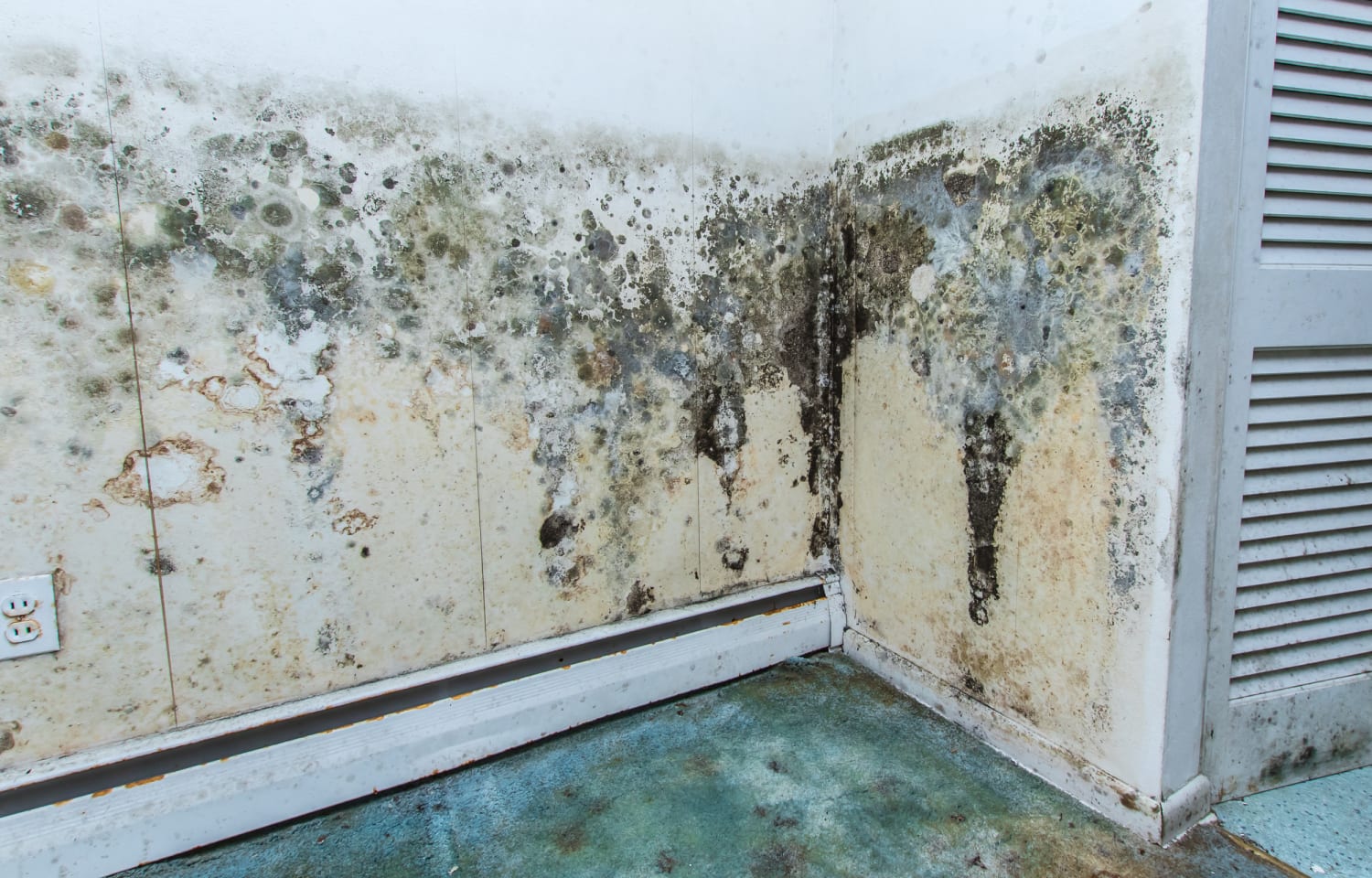
Commercial buildings in Cocoa deal with constant environmental pressure. Between high humidity, heavy rainstorms, coastal air exposure, and year-round HVAC operation, moisture is always part of the equation. Over time, that moisture can affect interior walls, concrete surfaces, and structural components.
When mold develops inside commercial buildings — especially on porous structural materials — complete removal isn’t always the only solution. In certain situations, mold encapsulation becomes a practical and protective option.
Encapsulation is not about covering up a problem. When used correctly, it’s a controlled method of sealing and stabilizing previously affected structural surfaces after proper remediation and moisture correction.
Let’s take a closer look at how mold encapsulation protects commercial properties in Cocoa and why it’s often used in Florida’s climate.
Why Commercial Buildings in Cocoa Are Prone to Mold Issues
Cocoa’s coastal environment creates persistent moisture challenges for commercial properties such as:
- Office buildings
- Warehouses
- Retail centers
- Mixed-use spaces
- Storage facilities
Several factors increase risk:
High Coastal Humidity
Moist air enters buildings frequently, especially in properties with regular door traffic.
Flat or Low-Slope Roofs
Commercial roofing systems are more vulnerable to slow leaks.
Concrete and Masonry Construction
Many commercial structures use concrete block walls that absorb and retain moisture.
HVAC Condensation
Large systems produce significant condensation that must drain properly.
When moisture remains inside walls or structural materials, microbial growth can develop over time.
What Mold Encapsulation Actually Is
Mold encapsulation involves applying a specialized protective coating over previously remediated surfaces.
The process:
- Follows proper mold removal
- Occurs after moisture has been corrected
- Seals cleaned structural materials
- Creates a protective barrier
Encapsulation coatings are designed to adhere to surfaces like:
- Concrete block
- Wood framing
- Plywood sheathing
- Structural beams
The coating locks down remaining microscopic particles and helps prevent future moisture absorption.
When Encapsulation Is Appropriate in Commercial Buildings
Encapsulation is often used in Cocoa commercial properties when:
Structural Materials Cannot Be Removed
Concrete block or large structural beams may not be practical to replace.
Mold Growth Was Surface-Level
After proper cleaning, surfaces can be sealed.
High-Humidity Environments Exist
Warehouses and storage facilities benefit from added protection.
Preventative Protection Is Desired
Encapsulation adds a moisture-resistant layer in vulnerable spaces.
It is not a shortcut. It is used after proper remediation, not instead of it.
The Process of Mold Encapsulation
In commercial buildings, encapsulation follows a structured approach.
Step 1: Moisture Detection
Confirm that the moisture source has been eliminated.
Step 2: Cleaning and Remediation
Remove contaminated materials and clean structural surfaces.
Step 3: Surface Preparation
Ensure surfaces are dry and free of debris.
Step 4: Application of Encapsulant
Apply a uniform coating over affected structural areas.
Step 5: Final Inspection
Verify coverage and drying.
At Inspections and More FL, encapsulation in Cocoa commercial buildings is used strategically to protect structural integrity while supporting long-term moisture management.
How Encapsulation Protects the Structure
Encapsulation provides several protective benefits:
- Seals porous surfaces
- Reduces future moisture absorption
- Locks down residual particles
- Adds an additional protective barrier
- Improves surface durability
In Florida’s humid environment, porous materials can repeatedly absorb and release moisture. Encapsulation helps limit that cycle.
Areas in Cocoa Commercial Buildings That Often Benefit From Encapsulation
Encapsulation is commonly applied to:
- Concrete block walls
- Roof decking in commercial attics
- Exposed wood framing
- Utility rooms
- Mechanical rooms
- Warehouse wall sections
These areas often experience fluctuating humidity levels and are difficult to remove structurally.
Why Encapsulation Alone Is Not a Solution
One of the most common misunderstandings is assuming encapsulation replaces mold removal.
Encapsulation should never be applied over:
- Active moisture
- Wet materials
- Uncleaned mold growth
- Damaged drywall
If moisture remains, problems will continue beneath the coating.
In Cocoa’s climate, moisture correction is always the first priority.
The Importance of Humidity Control in Commercial Spaces
Encapsulation works best when paired with ongoing moisture management.
Commercial property owners in Cocoa should:
- Maintain indoor humidity between 45–55%
- Service HVAC systems regularly
- Inspect roofing annually
- Monitor condensate lines
- Evaluate buildings after major storms
Preventative measures reduce the likelihood of future microbial growth.
Why Local Experience in Cocoa Matters
Commercial buildings in Cocoa face unique environmental pressures:
- Coastal salt air
- Heavy rainstorms
- High humidity
- Flat roofing systems
- Concrete block construction
Encapsulation decisions must account for these factors.
Understanding how moisture behaves in Florida’s climate ensures coatings are applied appropriately and in the right conditions.
Local experience also helps determine when encapsulation is beneficial — and when removal is more appropriate.
Long-Term Benefits for Commercial Property Owners
When applied correctly, encapsulation:
- Extends the life of structural materials
- Supports indoor air quality stabilization
- Reduces maintenance concerns
- Provides added moisture resistance
- Protects investment properties
For commercial property owners in Cocoa, this can mean fewer disruptions and more predictable maintenance planning.
A Calm, Practical Next Step
If your Cocoa commercial building has experienced mold growth or recurring moisture issues, a professional evaluation can determine whether encapsulation is appropriate.
An assessment can clarify:
- Whether moisture has been fully corrected
- If structural surfaces are salvageable
- Whether encapsulation adds protective value
- How to prevent future issues
Inspections and More FL works with commercial property owners throughout Cocoa, Palm Bay, Melbourne, Merritt Island, and Sanford to evaluate mold conditions and apply structured remediation strategies tailored to Florida’s climate.
Encapsulation is not about hiding a problem. When used properly, it’s about protecting cleaned structural surfaces from future moisture exposure in a challenging coastal environment.
