
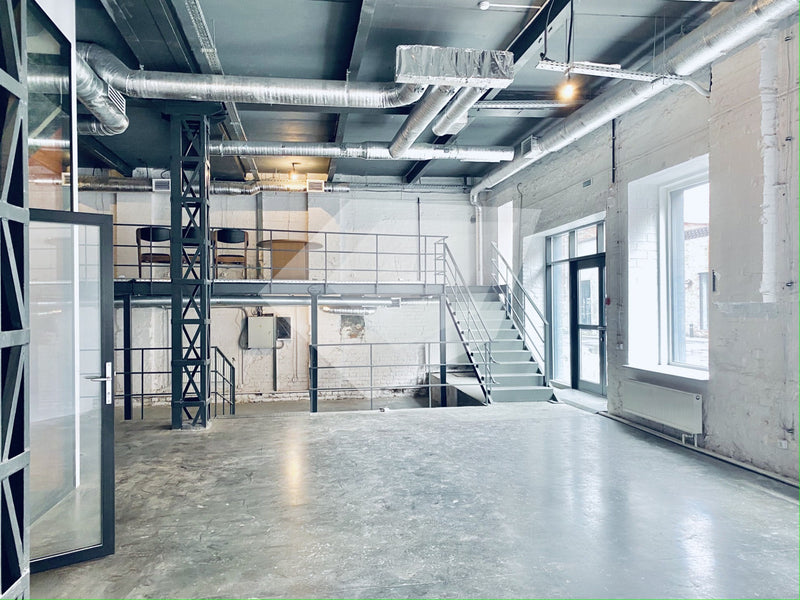
Inside Commercial Buildings in Palm Bay: A Closer Look at Structural Dryouts
In Palm Bay, commercial buildings deal with moisture differently than residential homes. Larger roof spans, flat roofing systems, extended HVAC runs, concrete slabs, and constant occupancy all change how water behaves once it gets inside.
When water intrusion happens in a commercial space — whether from roof failure, plumbing issues, HVAC leaks, or storm damage — structural drying becomes the most critical step in protecting the property.
Without a proper structural dryout, moisture lingers inside walls, beneath flooring, and within concrete slabs. That lingering moisture can lead to material deterioration, odor issues, and eventual mold growth.
Let’s take a closer look at how structural dryouts work inside commercial buildings in Palm Bay, and why they’re essential in Florida’s climate.
What a Structural Dryout Really Means
A structural dryout is the controlled process of removing moisture from building materials after water intrusion.
It goes beyond surface drying.
In commercial properties, affected materials often include:
- Drywall and metal studs
- Concrete slabs
- Carpet and commercial flooring systems
- Insulation within partition walls
- Ceiling tiles and grid systems
- Wood framing in build-out areas
The goal isn’t just to make the surface feel dry. It’s to restore materials to acceptable moisture levels using measurement tools.
In Palm Bay’s humidity, that distinction matters.
Why Commercial Buildings in Palm Bay Face Unique Challenges
Palm Bay commercial properties deal with environmental conditions that complicate drying:
High humidity slows evaporation
Moisture doesn’t leave materials naturally.
Flat roofing systems
Flat or low-slope roofs are more prone to ponding and slow leaks.
Large HVAC systems
Condensation issues can affect multiple zones.
Concrete slab construction
Concrete holds moisture longer than most people expect.
Storm exposure
Wind-driven rain can enter around parapets and flashing.
Continuous occupancy
Businesses often need to remain operational during drying.
These factors require a controlled, systematic approach to drying — not just fans and open doors.
Common Sources of Water Intrusion in Palm Bay Commercial Properties
Structural dryouts often follow:
- Roof membrane failures
- Overflowing HVAC condensate lines
- Sprinkler system malfunctions
- Plumbing leaks inside restrooms or breakrooms
- Storm-driven rain infiltration
- Slab moisture migration after heavy rain
Water may travel along framing, through insulation, or across concrete surfaces before it’s even detected.
By the time visible damage appears, moisture may already be widespread.
Early Signs Moisture Is Present
Commercial property managers often notice:
- Ceiling tile staining
- Warped baseboards in office suites
- Musty odors in conference rooms
- Soft drywall in corners
- Buckling vinyl or laminate flooring
- Rust on metal framing
- Increased indoor humidity
These signs indicate moisture, but they don’t show the full extent.
That’s where proper assessment begins.
Step-by-Step: How Structural Dryouts Work
Step 1: Moisture Mapping
Before equipment is placed, technicians map the affected areas.
This includes:
- Moisture meter readings in drywall and flooring
- Thermal imaging to identify hidden damp zones
- Concrete slab testing
- Inspection of insulation within walls
Mapping prevents over-drying unaffected areas and ensures no damp materials are missed.
Step 2: Source Correction
The water source must be stopped.
Roof repairs, plumbing fixes, HVAC adjustments — this always comes first.
Without correcting the intrusion point, drying efforts fail.
Step 3: Containment (If Necessary)
In occupied commercial spaces, containment may be set up to isolate affected zones.
This protects business operations and prevents cross-contamination.
Step 4: Removal of Non-Salvageable Materials
Porous materials that cannot be restored are removed.
This may include:
- Saturated drywall sections
- Wet insulation
- Damaged ceiling tiles
- Waterlogged carpet padding
Removal allows airflow to reach structural components.
Step 5: Equipment Placement
Drying equipment is positioned strategically.
Typically includes:
- Industrial dehumidifiers
- High-velocity air movers
- HEPA air filtration when needed
Placement is calculated based on airflow patterns and moisture levels.
Simply placing machines randomly doesn’t produce effective drying.
Step 6: Controlled Dehumidification
Dehumidifiers extract moisture from the air.
As air movers increase evaporation from wet surfaces, the dehumidifiers capture that moisture.
In Palm Bay’s humidity, this controlled environment is critical. Without it, outside air can reintroduce moisture.
Step 7: Monitoring and Adjustments
Daily monitoring ensures progress.
Technicians:
- Record moisture readings
- Adjust equipment placement
- Track humidity levels
- Confirm drying trends
Drying isn’t based on guesswork. It’s based on measurement.
Step 8: Final Verification
Before rebuilding or replacing materials, moisture levels must return to acceptable standards.
Concrete slabs, in particular, require verification before installing new flooring.
Skipping this step leads to recurring issues.
Why Proper Dryouts Protect Commercial Investments
Structural dryouts protect:
- Framing and wall systems
- Flooring integrity
- Ceiling grid structures
- HVAC components
- Tenant satisfaction
- Long-term building value
In commercial properties, delayed drying can mean:
- Expanded demolition
- Increased downtime
- Greater repair costs
- Insurance complications
Addressing moisture early reduces those risks.
The Mold Prevention Connection
In Florida, moisture left untreated often leads to mold.
Structural dryouts reduce that risk by:
- Removing water from hidden cavities
- Lowering humidity to controlled levels
- Preventing prolonged dampness in framing
- Allowing surfaces to stabilize before reconstruction
Companies like Inspections and More FL focus on moisture control first because drying is the foundation of successful remediation.
Preventing Future Commercial Moisture Problems
Palm Bay business owners and property managers can reduce risk by:
- Scheduling regular roof inspections
- Maintaining HVAC drain lines
- Monitoring indoor humidity levels
- Inspecting ceilings after storms
- Evaluating slab moisture before flooring installation
- Conducting routine moisture assessments
Proactive monitoring prevents emergency dryouts later.
Why Local Florida Experience Matters
Structural drying in Palm Bay is different from drying in dry climates.
Local professionals understand:
- How coastal humidity affects evaporation rates
- How flat roofs behave during heavy rain
- How slab foundations retain moisture
- How long materials realistically take to dry in Florida
- How to maintain drying conditions without disrupting business operations
That experience allows faster stabilization and more accurate restoration planning.
A Practical Next Step for Commercial Property Owners
If your Palm Bay commercial building has experienced roof leaks, plumbing failures, or HVAC moisture issues, don’t wait for visible damage to expand.
Structural dryouts are most effective when started early.
Moisture that remains inside walls or slabs won’t disappear on its own — especially in Florida’s humidity.
A professional evaluation provides clarity on what’s wet, what needs drying, and how to protect the building long term.
In commercial properties, controlled drying protects both the structure and the business operating inside it.
