
Understanding Air Blower Installation Challenges in Cocoa in Waterfront Homes
Waterfront homes in Cocoa offer incredible views and constant coastal breezes — but they also face persistent moisture pressure year-round. Living near the Indian River Lagoon or along canal-front properties means humidity isn’t occasional. It’s constant.
When water intrusion occurs inside these homes — whether from storms, plumbing leaks, or AC condensation — drying becomes more complicated than in inland properties. That’s where air blower installation comes into play.
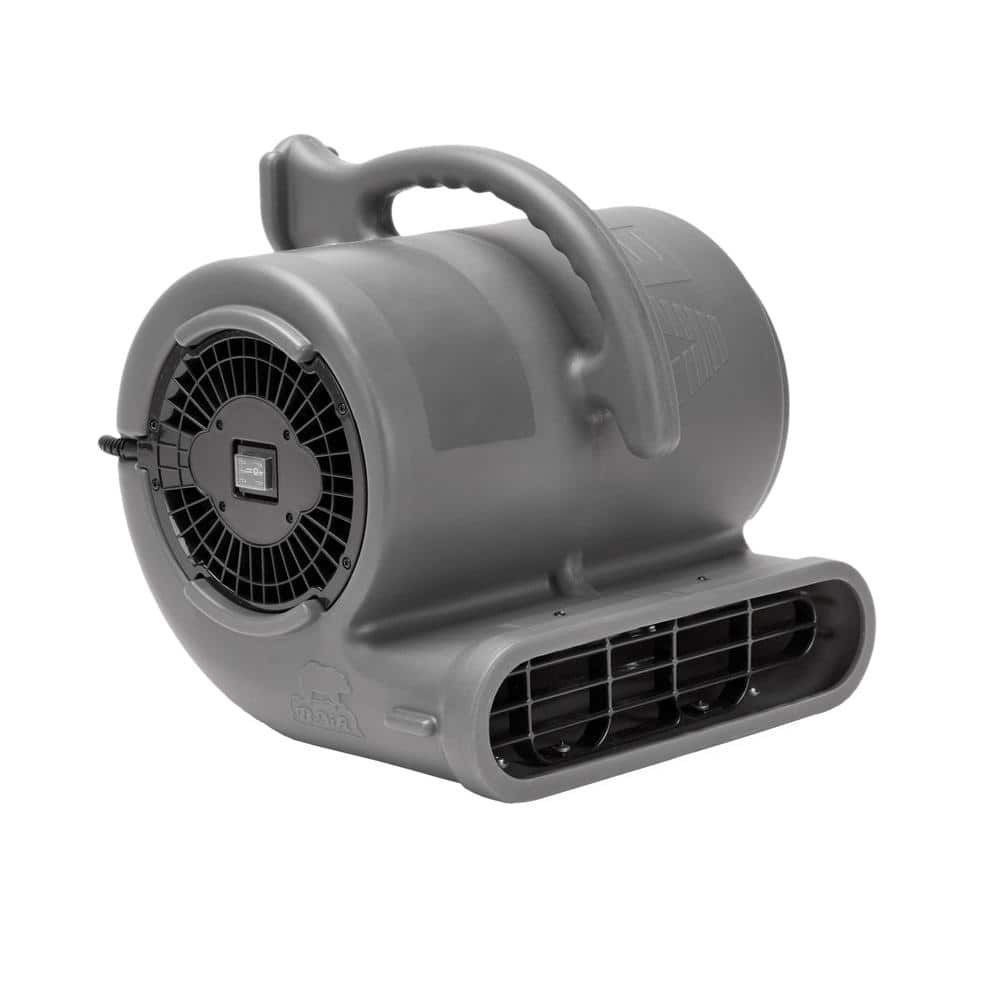
Air blowers are designed to move high volumes of air across wet materials and, when needed, inside wall cavities or beneath flooring. But in Cocoa waterfront homes, installing and managing these systems comes with unique challenges.
Let’s take a closer look at why drying is more complex in coastal environments — and how those challenges are addressed properly.
Why Waterfront Homes in Cocoa Experience Higher Moisture Loads
Cocoa’s waterfront properties face several environmental factors:
- Constant coastal humidity
- Salt air exposure
- Elevated water tables
- Frequent afternoon storms
- Wind-driven rain
Unlike inland homes in areas like Sanford, waterfront properties rarely experience “dry air” conditions. Outdoor humidity often stays elevated even during cooler months.
This means that when water intrusion occurs, natural evaporation is significantly slower.
Common Causes of Moisture in Cocoa Waterfront Homes
Air blower installation is typically needed after:
- Storm-related roof leaks
- Sliding door seal failures
- Window intrusion during wind-driven rain
- AC condensate overflow
- Plumbing leaks behind walls
- Minor flooding from storm surge or heavy rain
In slab homes especially, moisture can migrate along floor edges and into lower wall sections.
Because of the high water table near waterfront areas, moisture may also move upward through concrete.
Why Air Blower Installation Becomes Necessary
When moisture is trapped:
- Behind drywall
- Beneath hardwood flooring
- Inside insulation
- Along slab edges
Surface fans are not enough.
Air blower systems are installed to:
- Direct airflow into enclosed cavities
- Accelerate evaporation
- Support dehumidification
- Prevent prolonged dampness
In Cocoa waterfront homes, drying must be aggressive and carefully managed due to the surrounding humidity.
The Unique Challenges of Installing Air Blowers in Waterfront Homes
1. High Ambient Humidity
Outdoor air is already moisture-heavy. If doors or windows are opened during drying, humidity can re-enter the space.
Drying equipment must operate in controlled, sealed conditions.
2. Salt Air Exposure
Salt can corrode metal components in HVAC closets and wall cavities. Wet metal surfaces may require additional inspection and cleaning before drying begins.
3. Slab Vapor Transmission
Concrete slabs near waterfront properties may release moisture upward.
Even after visible water is removed, slabs can continue contributing moisture to lower walls and flooring.
Air blowers must be paired with dehumidifiers to control this.
4. Complex Wall Assemblies
Waterfront homes often include:
- Large glass sliding doors
- Multiple exterior wall penetrations
- Open floor plans
- Vaulted ceilings
These architectural features create additional moisture migration pathways.
Drying plans must account for air movement patterns throughout the entire structure.
5. Limited Crawl Space or Attic Ventilation
Some waterfront homes have tight mechanical spaces where airflow is restricted.
Strategic placement of air injection systems becomes essential.
How Professional Air Blower Installation Works
In Cocoa waterfront homes, a structured process is used.
Step 1: Moisture Mapping
Thermal imaging and moisture meters identify damp zones behind walls or beneath flooring.
Step 2: Source Correction
Repair roof leaks, plumbing failures, or AC issues first.
Step 3: Controlled Access
Small, strategic openings may be made to insert drying hoses.
Step 4: High-Velocity Air Injection
Air blowers force controlled airflow into wall cavities or beneath flooring.
Step 5: Commercial Dehumidification
Dehumidifiers extract moisture from the air continuously.
Step 6: Monitoring
Daily moisture readings confirm drying progress.
At Inspections and More FL, waterfront drying plans are tailored specifically for Cocoa’s coastal conditions.
Why Timing Is Critical in Coastal Homes
In Florida’s heat, moisture spreads quickly.
Delays can lead to:
- Warped flooring
- Saturated insulation
- Framing deterioration
- Persistent odors
- Elevated indoor humidity
Because waterfront homes already exist in a moisture-heavy environment, drying must begin promptly.
The first 24–48 hours are especially important.
The Role of Dehumidification Alongside Air Blowers
Air blowers promote evaporation. But evaporation increases humidity inside the room.
Without commercial-grade dehumidifiers:
- Moisture simply circulates
- Surfaces reabsorb humidity
- Drying slows dramatically
In Cocoa waterfront homes, balanced airflow and humidity control are essential.
Preventing Future Moisture Issues in Waterfront Properties
Homeowners can reduce risk by:
Maintaining Door and Window Seals
Wind-driven rain can exploit small gaps.
Inspecting Roof Flashing Annually
Especially before hurricane season.
Monitoring Indoor Humidity
Keep levels between 45–55%.
Servicing HVAC Systems Regularly
Clear condensate lines and inspect drain pans.
Scheduling Post-Storm Evaluations
Even minor intrusion deserves inspection.
Routine inspections across Cocoa and nearby Merritt Island help prevent small moisture issues from becoming structural concerns.
Why Local Coastal Experience Matters
Air blower installation in waterfront homes requires understanding:
- Coastal humidity behavior
- Slab construction in high water table zones
- Storm-driven rain patterns
- Salt air exposure effects
- Florida building materials
Drying strategies in Cocoa differ from inland areas like Palm Bay or Sanford.
Local experience ensures that moisture readings are interpreted correctly and that drying continues until materials are truly stabilized.
A Calm, Practical Next Step
If your Cocoa waterfront home has experienced water intrusion — whether from storms, plumbing, or AC condensation — scheduling a professional moisture evaluation is a practical step.
An assessment can determine:
- Whether hidden moisture is present
- If air blower installation is necessary
- Whether structural drying can prevent demolition
- How to prevent recurrence
Inspections and More FL works with homeowners throughout Cocoa, Merritt Island, Palm Bay, Melbourne, and Sanford to evaluate and manage moisture concerns using structured, Florida-specific drying methods.
Waterfront living comes with added environmental exposure. Proper air blower installation ensures that when moisture enters, it doesn’t stay behind the walls.
