
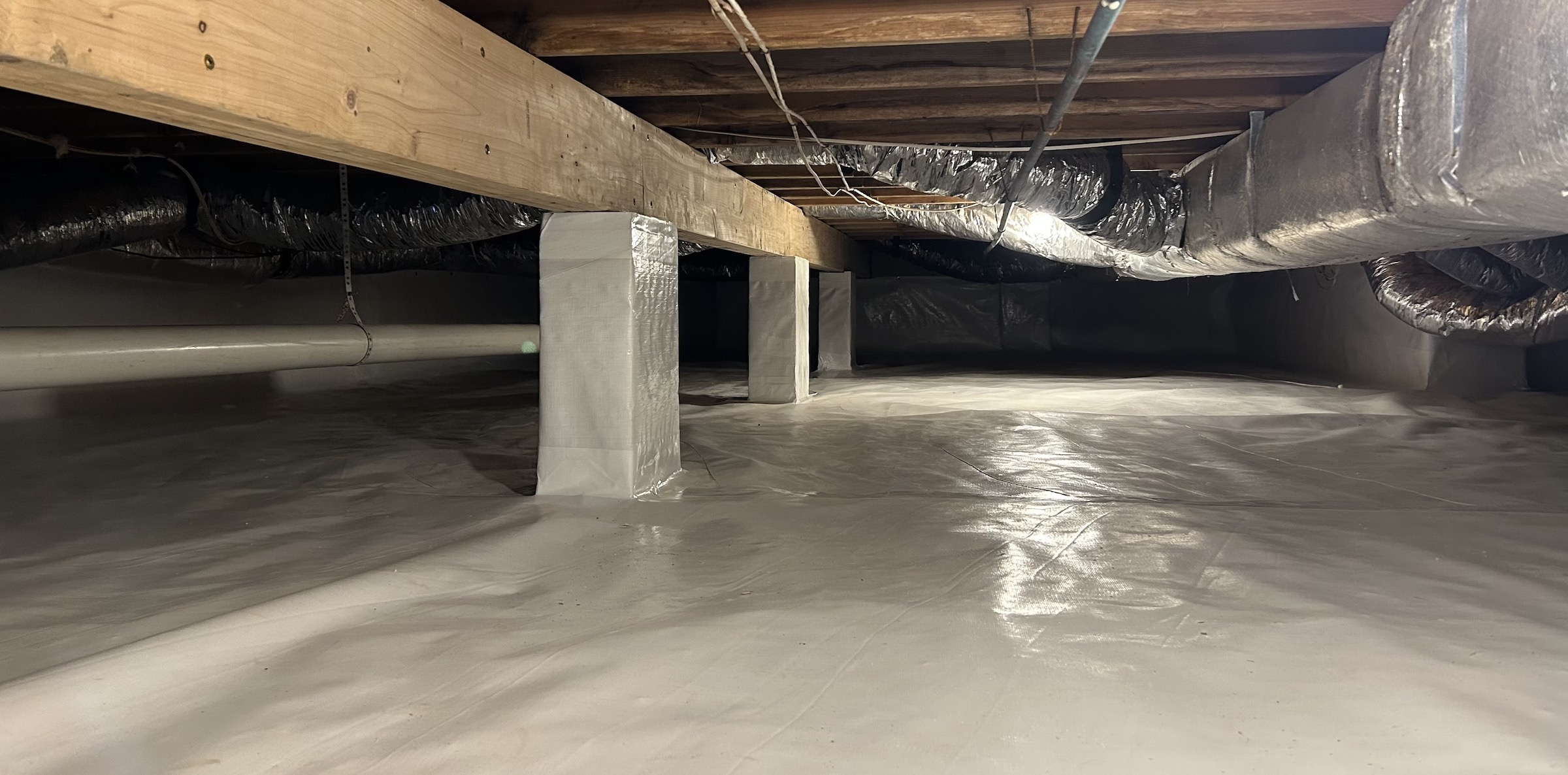
Melbourne Homes Dealing With Air Scrubbing in Crawl Spaces — A Step-by-Step Explanation
Crawl spaces in Melbourne don’t get much attention until something smells “off” or a flooring issue shows up inside the house. And honestly, that makes sense. Crawl spaces are cramped, hot, and not exactly a hangout spot. But in Florida — especially around Melbourne, Palm Bay, Cocoa, Merritt Island, and nearby areas — crawl spaces can become major moisture zones, and once that happens, air quality and structural concerns tend to follow.
Air scrubbing is one of the most effective tools for controlling airborne particles and odors during crawl space cleanup and moisture correction. If you’re hearing the term for the first time, you’re not alone. Most homeowners only learn about air scrubbers when a professional starts talking about containment, negative pressure, and “keeping the mess from traveling.”
Here’s a clear, step-by-step breakdown of how air scrubbing works in crawl spaces, why it matters in Melbourne’s climate, and what property owners should expect.
What the Issue Is
Crawl spaces are naturally vulnerable because they sit close to ground moisture. In Florida, that moisture isn’t just occasional — it’s constant.
When moisture builds up in a crawl space, it can lead to:
- Musty odors migrating into the home
- Damp insulation under floors
- Mold growth on joists and subflooring
- Warping or cupping of floors
- Rust on metal supports or fasteners
- Increased indoor humidity
Now add Melbourne’s typical conditions: heavy rain, high humidity, and warm temperatures that don’t allow materials to “dry out” naturally. It’s a perfect setup for ongoing dampness.
Air scrubbing enters the picture when cleanup, remediation, or structural drying is needed — because crawl spaces can release a lot of airborne particles once disturbed.
Why This Happens So Often in Melbourne
Crawl space moisture issues are common in Melbourne for a few reasons:
High humidity year-round
Even on days with no rain, the air carries moisture.
Heavy rain and storm seasons
Water collects around foundations and can seep into low areas.
Poor drainage and grading
If runoff flows toward the home, crawl spaces stay damp.
Ventilation problems
Some crawl spaces have vents that bring in humid air, not dry it.
Plumbing and HVAC lines below the floor
Small leaks or condensation add moisture without obvious signs.
Homes closer to waterfront areas may also deal with higher ambient moisture and salt exposure, which can increase corrosion and wear on crawl space components.
Common Signs Homeowners Notice
Crawl space problems usually show up inside the home first.
Melbourne homeowners often notice:
- Musty odors that come and go
- Floors that feel damp or slightly “spongy”
- Increased indoor humidity
- Allergy-like discomfort (not a medical claim — just that “stale air” feeling)
- Visible mold on baseboards or lower walls in certain rooms
- AC running longer than usual
If the odor gets stronger after rain, that’s a major clue the crawl space is holding moisture.
Hidden or Overlooked Sources in Crawl Spaces
The crawl space itself can be the source — but moisture can also be introduced by:
- Minor plumbing leaks under bathrooms and kitchens
- Condensation on cold HVAC lines
- Missing or torn vapor barriers
- Standing water after storms
- Wet insulation trapping humidity against wood
- Open vents pulling in humid air
A crawl space can look “fine” from the access hatch and still have elevated moisture farther in.
Why DIY Attempts Usually Fail
A lot of homeowners try quick fixes like:
- Throwing a small dehumidifier down there
- Spraying a store-bought odor remover
- Opening vents “to let it breathe”
- Running fans randomly
In Florida, these attempts often fail because they don’t control the environment.
If vents pull humid outdoor air inside, you’re basically inviting moisture in.
And if you disturb dusty insulation or moldy wood without containment, you can push particles into the living space above. Crawl spaces connect to the home through gaps, plumbing penetrations, and small cracks — air moves upward.
That’s why professional crawl space work usually includes air scrubbing as a control measure.
What Air Scrubbing in a Crawl Space Actually Does
An air scrubber is a high-efficiency filtration machine that pulls contaminated air through a filter system.
Most setups include:
- Pre-filters to capture larger debris
- HEPA filtration to capture fine particles
- Sometimes carbon filtration to help reduce odors
In crawl spaces, air scrubbing is typically paired with negative pressure — meaning air is pulled out of the crawl space and exhausted outside, so particles don’t drift upward into the home.
This is especially important during:
- Insulation removal
- Mold remediation
- Cleaning and wiping joists
- Installing vapor barriers
- Structural drying work
Air scrubbing doesn’t “solve” moisture, but it controls airborne contamination while the real work happens.
Step-by-Step: How Air Scrubbing in Crawl Spaces Works
Step 1: Assessment and Moisture Mapping
Before setting up equipment, professionals inspect:
- Standing water or damp soil
- Condition of vapor barriers
- Moisture levels in wood framing
- Mold presence on joists and subflooring
- Plumbing and HVAC line issues
Moisture meters and thermal imaging may be used to confirm where dampness is concentrated.
Step 2: Correct the Moisture Source
This is non-negotiable.
Depending on the property, this may include:
- Improving drainage around the home
- Sealing foundation entry points
- Repairing plumbing leaks
- Addressing HVAC condensation
- Removing wet insulation that traps moisture
- Installing or repairing vapor barriers
Without source correction, the crawl space stays damp and problems return.
Step 3: Set Up Containment at the Access Point
Professionals often isolate the crawl space opening with plastic barriers to prevent debris from spreading during entry/exit.
This also helps control airflow.
Step 4: Air Scrubber Placement and Exhaust Setup
The air scrubber is positioned so it can pull air from the crawl space effectively.
In many cases, it is:
- Ducted to exhaust air outside
- Set up to create negative pressure
- Operated continuously during work
This keeps airborne particles moving out of the crawl space instead of up into the home.
Step 5: Begin Cleanup, Removal, or Remediation
With air scrubbing running, work begins, which may include:
- Removing wet or contaminated insulation
- HEPA vacuuming surfaces
- Cleaning joists and subflooring
- Treating affected structural materials
- Removing debris and organic buildup
Air scrubbing captures particles disturbed during these steps.
Step 6: Structural Drying and Dehumidification
Once cleanup is underway, drying begins.
In Melbourne, controlled drying often includes:
- Commercial dehumidifiers
- Air movers placed for airflow
- Drying systems under vapor barriers (when needed)
Air scrubbing may continue during drying because air movers can stir residual dust.
Step 7: Verification and Prevention Measures
After drying:
- Moisture readings confirm acceptable levels
- Vapor barrier conditions are checked
- Odor sources are reassessed
- Ventilation strategy is reviewed
The goal is long-term stability, not just a short-term improvement.
Proper Remediation and Moisture Control in Florida Crawl Spaces
Crawl space improvement usually requires a combined approach:
- Containment
- Air scrubbing
- Removal of wet porous materials
- Controlled dehumidification
- Vapor barrier installation or repair
- Drainage improvement and moisture source correction
Air scrubbing supports the process by controlling airborne contamination while the crawl space is being stabilized.
How to Prevent Crawl Space Moisture in Melbourne Homes
For long-term protection:
- Keep gutters and downspouts directing water away
- Ensure grading slopes away from the foundation
- Repair plumbing leaks quickly
- Maintain vapor barriers
- Monitor humidity in the home (it often reflects crawl space conditions)
- Schedule inspections after major storms
If you’re in Melbourne, Palm Bay, or Cocoa, assume the crawl space will respond to rain events — preparation matters.
Why Local Florida Experience Matters
Crawl space work in Florida is its own category.
Local pros understand:
- How quickly humidity rises under homes
- Why vents can make things worse
- What drying looks like in coastal conditions
- How storm cycles affect ground moisture
- Which home styles in Melbourne are prone to crawl space dampness
That experience leads to better diagnosis, better equipment choices, and fewer repeat issues.
Inspections and More FL works in these conditions across Melbourne and nearby areas, so crawl space recommendations are based on what actually happens here — not generic advice from a dry climate.
Calm, Trust-Based Next Step
If your Melbourne home has musty odors, elevated humidity, or flooring issues that seem worse after rain, it’s worth evaluating the crawl space sooner rather than later.
Air scrubbing helps protect the rest of the property during cleanup by controlling airborne particles and keeping contamination from drifting upward.
Combined with proper moisture correction and drying, it’s one of the most effective ways to stabilize a crawl space in Florida’s climate — without turning your home into a science experiment.
