
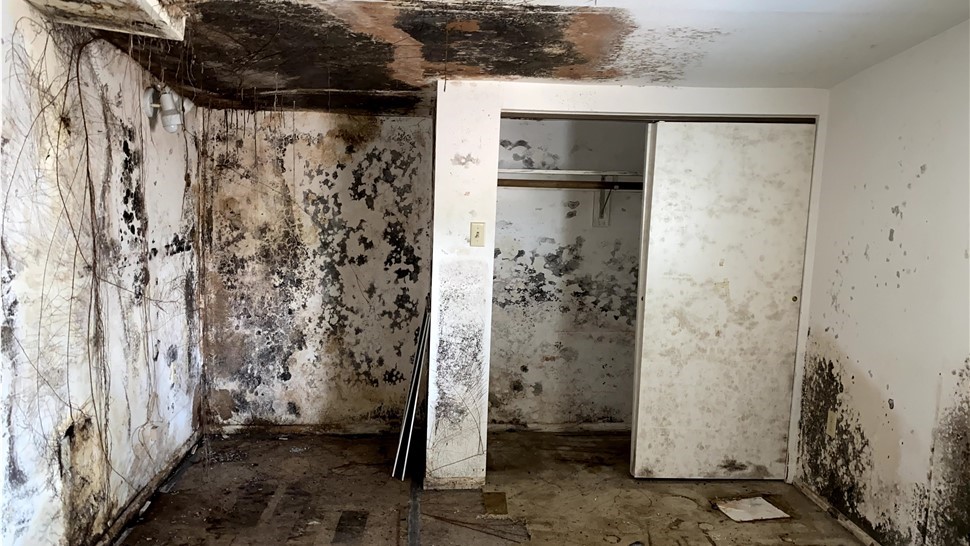
Palm Bay Homes Dealing With Mold Removal When AC Condensation Becomes a Problem — How Moisture Spreads Silently
In Palm Bay, air conditioning isn’t seasonal — it’s constant. For much of the year, AC systems run daily to combat Florida’s heavy humidity and high temperatures. While these systems are designed to remove moisture from indoor air, problems arise when condensation isn’t draining properly. What starts as a small clog or slow drip can quietly create moisture buildup that spreads behind walls and into structural materials.
Unlike a burst pipe, AC condensation problems rarely create dramatic flooding. Instead, they develop gradually and often go unnoticed until mold removal becomes necessary. In Palm Bay’s humid coastal environment, moisture doesn’t evaporate quickly. It lingers, spreads, and creates conditions where mold growth can begin silently.
Understanding how condensation turns into a mold issue helps homeowners recognize early warning signs and act before the damage expands.
How AC Condensation Becomes a Hidden Moisture Source
Every functioning AC system produces condensation. Warm indoor air passes over cold evaporator coils, causing moisture to collect and drip into a drain pan. From there, water flows through a condensate drain line and exits the home.
When this system works properly, excess humidity is safely removed.
Problems develop when:
- The drain line becomes partially or fully clogged
- The drain pan rusts or cracks
- The AC unit cycles continuously during peak humidity
- Airflow is restricted due to dirty filters or blocked vents
- The air handler sits in a poorly ventilated closet
When drainage slows or stops, condensation accumulates inside the unit. Water may overflow into surrounding drywall, insulation, and baseboards. Because this happens gradually, homeowners often don’t notice until mold growth is already present.
Why Palm Bay Homes Are Especially Vulnerable
Palm Bay’s coastal climate increases the likelihood that AC condensation issues escalate quickly.
Contributing environmental factors include:
- High year-round humidity
- Frequent summer storms
- Warm temperatures that accelerate moisture retention
- High groundwater levels
- Slab foundation construction
- Nearly continuous AC usage
When outdoor humidity remains elevated, indoor drying becomes slower. Even minor condensation buildup can keep wall cavities damp for extended periods. Slab foundations can also transfer moisture upward into lower wall sections, compounding the issue.
In Florida, moisture rarely resolves itself without intervention.
How Moisture Spreads Silently
One of the biggest risks with AC condensation is how quietly moisture migrates through building materials.
Drywall Wicking
Drywall absorbs moisture from the bottom up. Even small amounts of water at the base of an AC closet can travel several inches upward without obvious staining.
Insulation Retention
Insulation inside walls traps moisture and prevents airflow. Damp insulation creates an ideal environment for mold development.
Framing Absorption
Wood framing absorbs water internally. Even if surfaces appear dry, the interior of the wood may remain damp.
HVAC Circulation
As the AC runs, air circulates throughout the home. If mold has begun developing near the air handler, spores can travel into other rooms through ductwork.
This is why mold related to AC condensation often spreads beyond the initial moisture source.
Early Warning Signs Homeowners Notice
Palm Bay homeowners typically notice subtle changes before major damage appears:
- Musty odors near the AC closet
- Bubbling paint or baseboard swelling
- Damp drywall around the air handler
- Elevated indoor humidity
- Rust in the drain pan
- Air that feels heavy or stale
These signs often indicate that moisture has been present longer than expected.
Why Mold Removal Becomes Necessary
Mold removal becomes necessary when moisture has remained long enough to support growth. In Florida’s warm, humid climate, this can occur quickly.
When mold develops behind walls or inside insulation, simple cleaning is not sufficient. Surface wiping does not remove growth embedded in porous materials. Additionally, disturbing mold without proper containment can spread spores throughout the home.
Mold removal addresses both the contamination and the underlying moisture source.
The Professional Mold Removal Process
When AC condensation leads to mold growth in Palm Bay homes, the process typically includes:
Moisture Detection
Using moisture meters and thermal imaging to locate damp areas behind walls and around the air handler.
Source Correction
Clearing clogged drain lines, repairing pans, and correcting airflow issues to stop ongoing condensation.
Containment Setup
Installing containment barriers to prevent airborne spread during removal.
HEPA Air Scrubbing
Running air scrubbers continuously to capture airborne particles.
Removal of Affected Materials
Safely removing heavily contaminated drywall or insulation when necessary.
Structural Drying
Using air movers and dehumidifiers to restore materials to safe moisture levels.
Final Verification
Confirming dryness before reconstruction begins.
This structured approach ensures the problem is fully resolved rather than temporarily masked.
Hidden Areas Commonly Impacted
In Palm Bay homes, AC condensation-related mold frequently affects:
- Drywall behind the air handler
- Adjacent wall cavities
- Attic duct insulation
- Ceiling drywall beneath attic units
- Base plates along slab edges
- Flooring near the AC closet
Because these areas are enclosed, moisture often remains undetected until odor or visible growth appears.
Why Timing Matters in Florida’s Climate
Florida’s warm environment accelerates mold growth when moisture is present. Delaying inspection or removal can result in:
- Larger affected areas
- More extensive drywall removal
- Stronger persistent odors
- Higher remediation costs
Early detection limits structural damage and reduces recovery time.
Preventing Future AC Condensation Issues
After mold removal, prevention becomes critical.
Palm Bay homeowners can reduce risk by:
- Cleaning condensate drain lines regularly
- Inspecting drain pans for corrosion
- Replacing HVAC filters on schedule
- Ensuring proper airflow around the air handler
- Monitoring indoor humidity levels
- Scheduling annual HVAC maintenance
Routine maintenance during Florida’s humid months significantly lowers the chance of recurrence.
Why Local Experience Matters
Mold removal tied to AC condensation in Palm Bay requires understanding how Florida’s coastal climate influences moisture behavior.
Professionals must account for:
- Slab foundation moisture transfer
- Coastal humidity patterns
- Continuous AC cycling
- Seasonal storm impacts
- Local construction methods
Approaches used in dry climates often fail to address Florida’s persistent humidity challenges.
Inspections and More FL works throughout Palm Bay, Cocoa, Melbourne, Merritt Island, Sanford, and nearby areas with experience specific to Florida conditions. Local knowledge ensures accurate moisture detection and complete mold removal strategies.
A Practical Next Step
If your Palm Bay home has developed musty odors, damp drywall, or elevated humidity near the AC system, condensation may be spreading moisture silently behind walls.
Mold removal becomes necessary when hidden dampness has already created contamination. Addressing both the condensation source and the affected materials restores structural stability and indoor balance.
In Florida’s humid coastal climate, moisture rarely resolves itself. Acting early protects your home’s integrity and prevents recurring mold issues tied to AC condensation.
