
Structural Dryouts in Sanford When Indoor Air Feels Damp: Warning Signs You Should Never Ignore
In Sanford, it’s easy to blame heavy indoor air on Florida humidity. After all, Central Florida is known for long summers, frequent rain, and moisture-heavy air. But when your home consistently feels damp — even with the AC running — that’s not something to ignore.
Indoor air that feels thick, musty, or slightly sticky often signals hidden moisture inside structural materials. And when moisture lingers behind walls, under flooring, or inside ceilings, structural dryouts may become necessary.
Understanding the warning signs early can protect your Sanford home from more serious damage down the road.
Why Damp Indoor Air Is More Than Just Humidity
Florida homes naturally deal with higher humidity levels. However, there’s a difference between outdoor humidity and structural moisture.
When indoor air feels damp despite air conditioning, it may indicate:
- Moisture trapped inside drywall
- Wet insulation behind walls
- Damp subflooring beneath tile or laminate
- Hidden roof leaks
- Plumbing leaks inside wall cavities
- AC condensation buildup
Structural materials absorb moisture quickly. Once saturated, they release moisture slowly back into the air — creating that heavy, uncomfortable indoor feeling.
In Sanford’s warm climate, this cycle can continue indefinitely without professional drying.
Why Sanford Homes Are Particularly Vulnerable
Sanford properties face a combination of environmental conditions that complicate drying:
- High year-round humidity
- Frequent thunderstorms
- Hurricane season moisture
- High groundwater levels
- Slab foundation construction
- Continuous AC operation
Slab foundations can transfer moisture upward into lower wall sections. Attic spaces can trap humid air. AC systems may create condensation in ducts or closets.
Because Florida’s outdoor air is already humid, opening windows often worsens indoor moisture rather than improving it.
That’s why structural drying, not just ventilation, becomes necessary in many cases.
Warning Signs You Should Never Ignore
When indoor air feels damp in your Sanford home, watch for these early indicators:
1. Persistent Musty Odors
A musty smell that doesn’t fade often signals moisture trapped in enclosed areas. Even if you can’t see damage, odor is a strong warning sign.
2. Warping or Swelling Materials
Baseboards pulling away from walls, laminate edges lifting, or doors sticking can indicate structural moisture.
3. Bubbling Paint or Soft Drywall
Moisture behind walls can cause paint to bubble or drywall to feel slightly soft.
4. Uneven Flooring
Subfloors absorb water and expand. Even minor leaks can cause subtle changes in floor stability.
5. Increased AC Runtime
If your AC runs longer but the home still feels damp, moisture may be embedded inside structural materials.
6. Elevated Indoor Humidity Readings
If humidity consistently measures above 55% despite AC operation, hidden moisture may be contributing.
These signs often appear before major damage develops.
How Moisture Spreads Inside a Structure
Moisture rarely stays confined to one area.
It spreads by:
- Wicking upward through drywall
- Traveling laterally along framing
- Seeping beneath flooring materials
- Collecting inside insulation
- Migrating into ceiling cavities
Because drywall and wood are porous, they absorb water easily. Once saturated, drying slows dramatically without mechanical assistance.
In Sanford’s climate, passive drying is rarely sufficient.
Why Structural Dryouts Become Necessary
Structural dryouts focus on drying building materials — not just air.
When moisture remains inside walls or floors for extended periods, it can lead to:
- Warped framing
- Insulation breakdown
- Flooring instability
- Odor development
- Larger restoration projects
Structural drying uses:
- High-velocity air movers
- Commercial-grade dehumidifiers
- Moisture detection tools
- Controlled airflow placement
The goal is to return materials to safe moisture levels appropriate for Florida conditions.
Why DIY Solutions Often Fall Short
Homeowners often try:
- Box fans
- Opening windows
- Small retail dehumidifiers
- Surface cleaning
While these methods may improve surface dryness, they do not remove moisture embedded inside wall cavities or subfloors.
Common DIY limitations include:
- Insufficient airflow intensity
- No moisture monitoring
- Failure to identify hidden damp zones
- Uneven drying
Without proper detection tools, it’s impossible to confirm when structural materials are truly dry.
The Professional Structural Dryout Process
When damp indoor air signals hidden moisture, a structured drying approach typically includes:
Step 1: Moisture Mapping
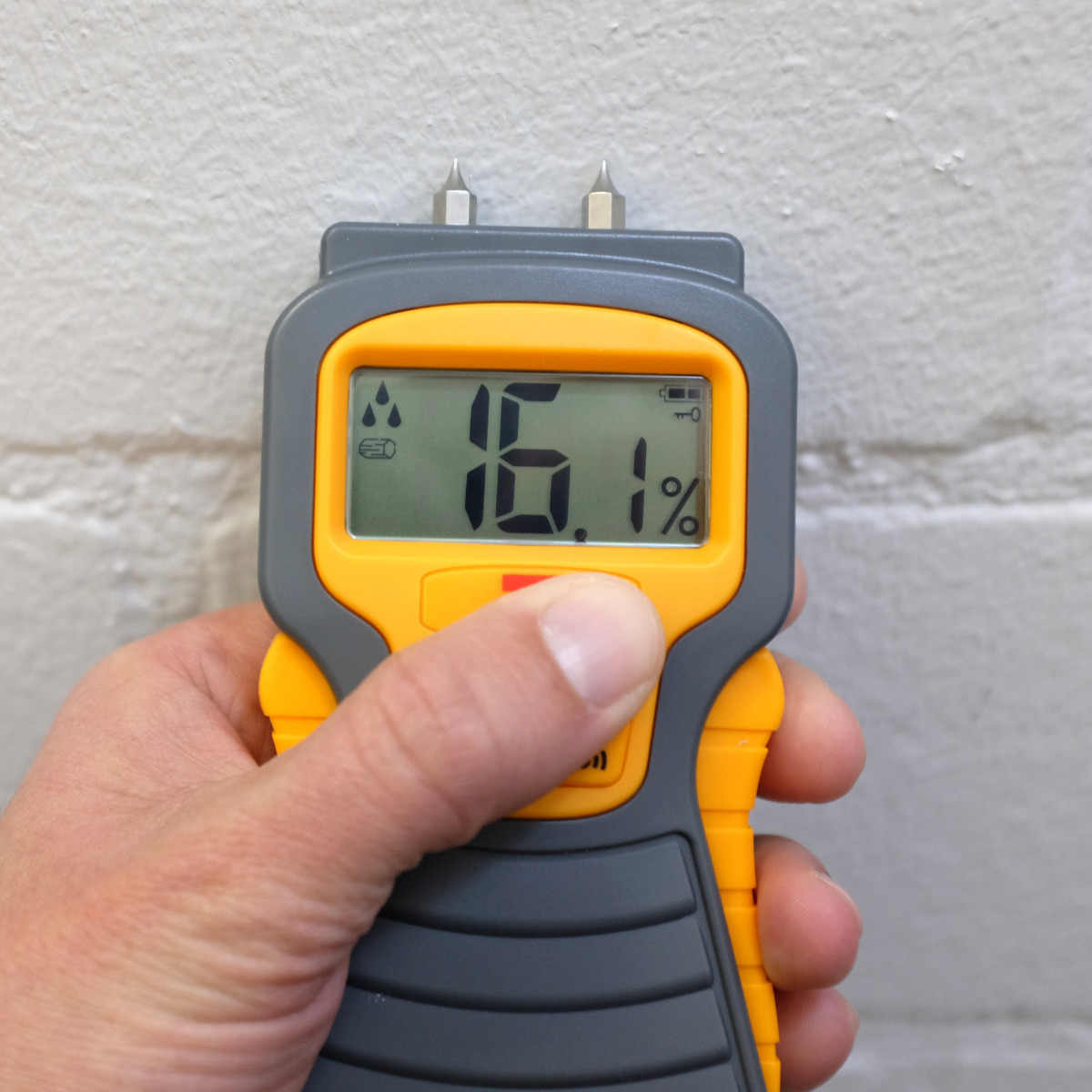
Thermal imaging and moisture meters identify saturated areas behind walls and under flooring.
Step 2: Controlled Access
Small sections of drywall may be opened if necessary to allow airflow into wall cavities.
Step 3: Air Mover Installation
High-velocity air movers are positioned strategically along wet materials.
Step 4: Dehumidification
Commercial dehumidifiers remove moisture from the air continuously.
Step 5: Monitoring
Daily moisture readings track progress and confirm drying.
Drying continues until structural materials reach acceptable moisture levels.
Common Hidden Sources of Moisture in Sanford Homes
When indoor air feels damp, underlying causes may include:
- Minor roof leaks
- Plumbing drips inside walls
- AC drain line clogs
- Slab foundation seepage
- Attic condensation
- Poor ventilation in enclosed spaces
Identifying the moisture source is just as important as drying the structure.
Without correcting the source, moisture will return.
Long-Term Prevention in Florida Homes
After structural drying is complete, preventing recurrence is essential.
Sanford homeowners can reduce risk by:
- Monitoring indoor humidity regularly
- Servicing HVAC systems annually
- Cleaning condensate drain lines
- Inspecting roofs after heavy storms
- Checking plumbing connections periodically
- Ensuring proper attic ventilation
Routine inspections are especially important in older homes with slab foundations.
Why Local Experience Matters
Structural drying in Sanford requires understanding how Florida’s humidity interacts with building materials.
Professionals must consider:
- Central Florida climate patterns
- Slab moisture behavior
- Continuous AC cycling
- Storm-related water intrusion
- Local construction styles
Drying strategies that work in dry climates often fail in humid environments like Sanford.
Inspections and More FL serves Sanford and surrounding communities with experience tailored to Florida conditions. Local knowledge ensures structural dryouts are thorough and appropriate for the environment.
A Practical Next Step
If your Sanford home consistently feels damp despite running the AC, don’t assume it’s just the weather.
Indoor air that feels heavy or musty often indicates hidden moisture inside structural materials. Ignoring early warning signs can lead to more extensive repairs later.
A professional moisture evaluation can determine whether structural drying is necessary and prevent long-term damage.
In Florida’s humid climate, moisture rarely resolves on its own. Addressing it early protects your home’s structure, comfort, and stability for the long term.
