
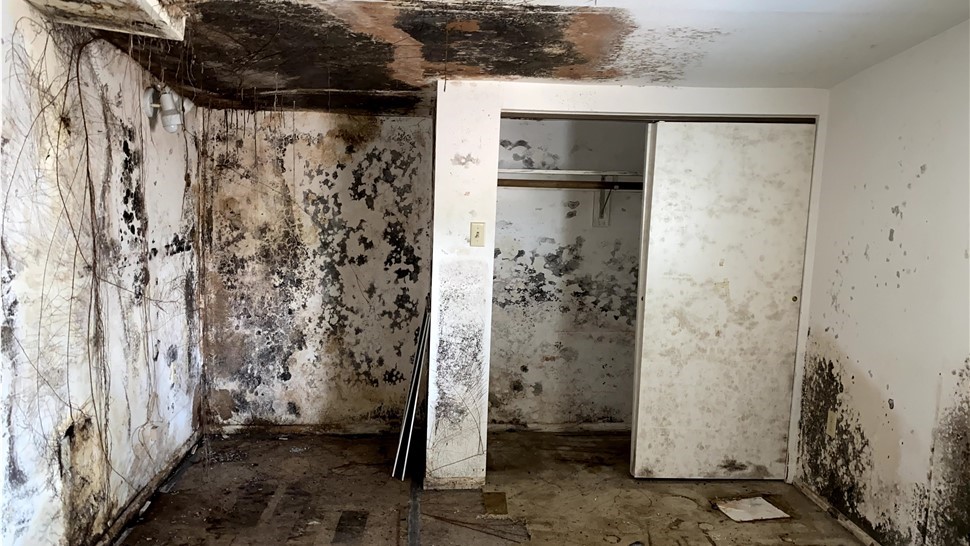
Cocoa Homes Dealing With Mold Remediation During Extreme Humidity — How to Prevent Recurring Damage
Extreme humidity in Cocoa is not a rare event. It’s a regular part of life along Florida’s Space Coast. Between long summers, coastal air exposure, daily rainstorms, and hurricane season, moisture remains consistently present in the environment. For homeowners who have recently gone through mold remediation, the biggest concern is often not the removal itself — it’s preventing the problem from coming back.
Mold remediation addresses contamination that already exists. Preventing recurrence requires understanding how humidity, airflow, building materials, and hidden moisture sources interact inside Cocoa homes. Without correcting those underlying conditions, mold can return — especially during periods of extreme humidity.
Here’s what homeowners need to understand to prevent recurring damage.
Why Extreme Humidity Creates Ongoing Risk
Mold needs three basic elements to grow:
- Moisture
- Warm temperatures
- Organic materials such as drywall, wood, or insulation
Cocoa’s climate naturally provides warmth and humidity. When indoor humidity rises above 55–60% for extended periods, drywall and framing begin absorbing moisture directly from the air. Even without a plumbing leak or flood event, elevated humidity alone can create the right environment for mold growth.
During extreme humidity, evaporation slows dramatically. Materials that were previously dried during remediation may begin reabsorbing moisture if indoor conditions are not controlled.
That’s why mold remediation in Cocoa must always include a humidity control plan.
Common Moisture Contributors in Cocoa Homes
In addition to outdoor humidity, several hidden factors frequently contribute to recurring mold issues:
- AC condensation buildup
- Clogged condensate drain lines
- Minor roof leaks after heavy rain
- Slab foundation moisture transfer
- Poor attic ventilation
- Crawl space humidity
- Aging plumbing fittings
When extreme humidity combines with even one of these conditions, moisture levels inside wall cavities and flooring systems can climb quickly.
A successful remediation project identifies and corrects these sources before rebuilding occurs.
Why Mold Remediation Alone Is Not Enough
Professional mold remediation typically includes:
- Containment to prevent spore spread
- HEPA air scrubbing
- Removal of contaminated materials
- Cleaning of structural components
- Structural drying
However, remediation removes mold that has already formed. It does not eliminate Florida’s humidity.
If indoor conditions remain damp, new growth can develop on unaffected surfaces.
Long-term prevention depends on stabilizing indoor moisture levels.
The Importance of Maintaining Proper Indoor Humidity
In Cocoa homes, maintaining indoor humidity between 45% and 55% is one of the most effective prevention strategies.
During extreme humidity periods, this often requires:
- Whole-home dehumidification systems
- Supplemental portable dehumidifiers
- Properly maintained HVAC systems
- Continuous humidity monitoring
Simply running the air conditioner may not be enough. AC systems cool air but do not always reduce humidity to safe levels, especially during heavy rain cycles.
Installing a hygrometer in key areas allows homeowners to monitor humidity consistently rather than guessing.
Structural Drying Must Be Verified
One of the most common reasons mold returns after remediation is incomplete drying.
Moisture can remain trapped inside:
- Wall cavities
- Subflooring
- Framing members
- Insulation
If reconstruction begins before materials return to safe moisture levels, humidity spikes can reactivate hidden dampness.
Professional moisture detection tools confirm that structural materials are dry before repairs are completed. This step is critical in Florida’s humid environment.
Attic and Ventilation Considerations
Attics in Cocoa homes often become heat and humidity traps.
During extreme humidity, attic spaces can accumulate:
- Warm, moist air
- Condensation on ductwork
- Damp insulation
- Reduced airflow
Improving attic ventilation and ensuring proper insulation reduces condensation buildup.
Crawl spaces also require attention. Ground moisture and limited airflow can create persistent damp conditions that affect flooring and lower wall sections.
Moisture barriers and ventilation improvements help reduce long-term risk.
AC Systems: Prevention and Maintenance
Air conditioning systems are essential for managing Florida humidity — but they can also contribute to moisture problems if not maintained.
To reduce recurrence:
- Clean condensate drain lines regularly
- Inspect drain pans for rust or cracks
- Replace HVAC filters on schedule
- Ensure ducts are properly insulated
- Schedule annual HVAC inspections
During extreme humidity, AC systems run continuously. Even minor condensation issues can escalate quickly.
Routine maintenance prevents small problems from becoming large remediation projects.
Slab Foundations and Lower Wall Monitoring
Many Cocoa homes are built on slab foundations. During periods of heavy rain and elevated groundwater levels, moisture can migrate upward through concrete and into lower wall sections.
Warning signs include:
- Baseboard swelling
- Damp lower drywall
- Flooring edges lifting
- Subtle discoloration near the floor
Managing exterior drainage and maintaining indoor humidity helps reduce slab-related moisture transfer.
Recognizing Early Signs of Recurrence
After remediation, homeowners should stay alert for subtle warning signs during humid months:
- Musty odors returning
- Dampness near previous problem areas
- Paint bubbling
- Elevated humidity readings
- AC running longer without comfort improvement
Addressing these early indicators prevents another full remediation process.
Why Routine Moisture Evaluations Matter
Periodic inspections are especially valuable in Cocoa’s extreme humidity conditions.
Routine evaluations can detect:
- Minor plumbing drips
- Early condensation buildup
- Attic moisture pockets
- Elevated indoor humidity trends
- Subtle structural dampness
Catching small moisture issues early reduces long-term risk.
Prevention is always less disruptive than repeated remediation.
Why Local Experience Makes a Difference
Mold prevention strategies in Cocoa must account for:
- Coastal air exposure
- High humidity cycles
- Frequent storm patterns
- Slab foundation moisture behavior
- Continuous AC usage
Dry-climate remediation methods often overlook Florida’s ongoing moisture pressure.
Inspections and More FL works throughout Cocoa, Palm Bay, Melbourne, Merritt Island, Sanford, and surrounding communities with experience specific to Florida’s humid conditions. Local knowledge ensures prevention plans are tailored to the environment, not generic recommendations.
A Long-Term Plan to Prevent Recurring Mold Damage
To minimize recurring mold issues during extreme humidity:
- Keep indoor humidity below 55%.
- Maintain HVAC systems consistently.
- Improve attic ventilation and insulation.
- Monitor slab-related moisture near lower walls.
- Address even small leaks immediately.
- Use dehumidifiers during peak humidity months.
- Schedule routine moisture evaluations.
Extreme humidity in Cocoa is unavoidable — but recurring mold damage is not.
A Practical Next Step
If your Cocoa home has recently undergone mold remediation, focus now on long-term moisture control. Stabilizing humidity levels, maintaining airflow, and monitoring subtle warning signs are essential to protecting your property.
In Florida’s climate, mold prevention is not a one-time action — it’s an ongoing strategy. With proper humidity management and early detection, Cocoa homeowners can prevent recurring damage and maintain a stable, dry indoor environment year-round.
