
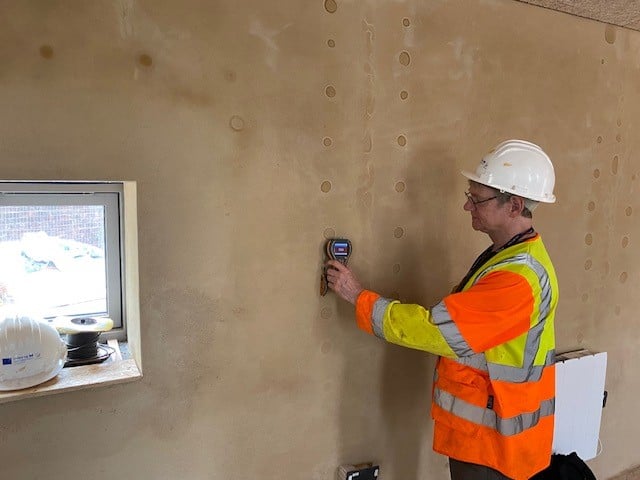
During Extreme Humidity in Merritt Island: A Closer Look at Structural Dryouts
If you live in Merritt Island, you already expect humidity. It’s part of the coastal lifestyle. But when extreme humidity settles in for days or weeks — especially during late summer or after a storm system stalls offshore — homes can start behaving differently.
Indoor air feels heavy. Closets smell musty. The AC runs constantly but the house still feels damp. Baseboards swell slightly. Paint bubbles where it never has before.
In Merritt Island’s climate, extreme humidity doesn’t just affect comfort. It can affect the structure itself.
When building materials begin absorbing moisture from prolonged high humidity, structural dryouts may become necessary — even if there hasn’t been a visible leak.
Let’s take a closer look at how that happens and how structural drying protects properties in coastal Florida.
Why Extreme Humidity Hits Merritt Island Harder
Merritt Island sits between the Indian River Lagoon and the Atlantic. That coastal positioning means:
- Higher ambient humidity
- Slower natural evaporation
- Frequent afternoon storms
- Salt air exposure
- Long AC operating seasons
- Elevated water tables
When humidity levels remain high outdoors, indoor humidity rises as well — especially if doors open frequently, AC systems are short cycling, or minor air leaks allow moisture in.
Unlike a one-time leak, extreme humidity affects the entire structure gradually.
How Humidity Turns Into Structural Moisture
Many homeowners assume moisture problems require visible water.
Not necessarily.
When indoor humidity remains elevated:
- Drywall absorbs moisture from the air
- Wood framing expands slightly
- Insulation traps damp air
- Slab foundations release vapor upward
- Ductwork may sweat continuously
Over time, materials that were previously dry can reach elevated moisture levels.
In Merritt Island homes, this often shows up in:
- Lower wall cavities
- Attic insulation
- Around air handler closets
- Behind furniture against exterior walls
- Inside closets with limited airflow
Because the moisture is gradual, it’s often overlooked.
Early Warning Signs You Shouldn’t Ignore
During prolonged humid periods, watch for:
- Persistent musty odors
- Slight warping of baseboards
- Bubbling paint
- Soft drywall in isolated areas
- Condensation on windows
- AC running without reducing humidity
- Floors that feel slightly damp
If these signs appear without a known leak, extreme humidity may be contributing.
In Florida, humidity alone can create structural concerns.
What a Structural Dryout Actually Is
A structural dryout is the controlled removal of moisture from building materials — not just the air.
It involves:
- Identifying elevated moisture levels
- Correcting contributing sources
- Using professional drying equipment
- Monitoring moisture readings
- Verifying stability before repairs
The goal is to return materials to acceptable moisture levels so they don’t continue releasing dampness into the indoor air.
Step-by-Step: How Structural Dryouts Work During Extreme Humidity
Step 1: Moisture Mapping
Professionals begin with moisture detection.
This typically includes:
- Moisture meter testing of drywall and trim
- Thermal imaging scans to detect cooler damp zones
- Slab moisture checks
- Attic inspection for insulation saturation
- Indoor humidity measurement
In Merritt Island homes, slab edges and exterior-facing walls often show elevated readings during extreme humidity.
Step 2: Identify Contributing Sources
Even when humidity is high, other factors may contribute:
- AC drain line inefficiencies
- Poor attic ventilation
- Duct insulation failure
- Minor roof leaks
- Window seal gaps
Structural dryouts only succeed when all contributing sources are addressed.
Step 3: Remove Non-Salvageable Materials (If Needed)
If materials are overly saturated, limited removal may be necessary.
This may include:
- Wet insulation
- Severely compromised drywall sections
Removing these materials allows airflow to reach structural components.
Step 4: Controlled Dehumidification
Commercial dehumidifiers remove moisture from the air.
As air movers circulate air across damp surfaces, moisture evaporates and is captured by the dehumidifiers.
In Merritt Island’s humidity, controlled drying is essential. Opening windows often increases indoor moisture instead of reducing it.
Step 5: In-Wall Drying (If Necessary)
If moisture has migrated behind drywall, small access holes may be created to allow airflow into wall cavities.
Dry air is injected while dehumidifiers remove extracted moisture.
This targeted approach reduces the need for large-scale demolition.
Step 6: Monitoring and Verification
Moisture readings are taken daily.
Drying continues until materials reach acceptable levels.
Skipping verification is one of the main reasons humidity-related problems return.
Companies like Inspections and More FL emphasize measurement-based drying rather than time-based assumptions.
Why Extreme Humidity Makes Drying More Challenging
In drier climates, materials can release moisture naturally.
In Merritt Island:
- Outdoor humidity often exceeds indoor humidity
- Evening humidity spikes slow evaporation
- Afternoon storms reintroduce moisture
- Salt air affects metal HVAC components
These factors mean drying must be controlled — not left to chance.
How Structural Dryouts Prevent Mold Growth
Mold requires sustained moisture.
During extreme humidity:
- Materials may hover just below visible saturation
- Damp insulation can remain wet for extended periods
- Framing may hold enough moisture to support growth
By drying materials quickly:
- Moisture levels drop before mold establishes
- Odors are reduced
- Insulation performance improves
- Structural integrity is preserved
Early drying prevents full-scale remediation later.
Long-Term Prevention Strategies in Merritt Island
To reduce structural moisture during extreme humidity:
- Maintain AC systems annually
- Flush condensate drain lines
- Monitor indoor humidity with digital gauges
- Inspect attic duct insulation
- Ensure bathroom vents exhaust outdoors
- Keep gutters directing water away from the foundation
- Schedule periodic moisture inspections
Proactive monitoring prevents humidity from becoming structural damage.
Why Local Experience Matters
Structural dryouts in Merritt Island require understanding coastal humidity behavior.
Local professionals know:
- How slab foundations react after heavy rain
- How attic conditions influence indoor humidity
- How long materials realistically take to dry
- Which neighborhoods experience higher groundwater levels
- How storm cycles impact drying timelines
That knowledge allows faster stabilization and fewer recurring issues.
A Practical Next Step
If your indoor air feels persistently damp during extreme humidity — especially if accompanied by musty odors or minor surface changes — it’s worth evaluating the structure.
Humidity in Merritt Island is normal. Structural moisture isn’t.
A professional moisture assessment provides clarity on whether materials have absorbed excess moisture and whether controlled drying is needed.
In Florida’s climate, early structural dryouts protect your property before small humidity concerns turn into larger structural repairs.
