
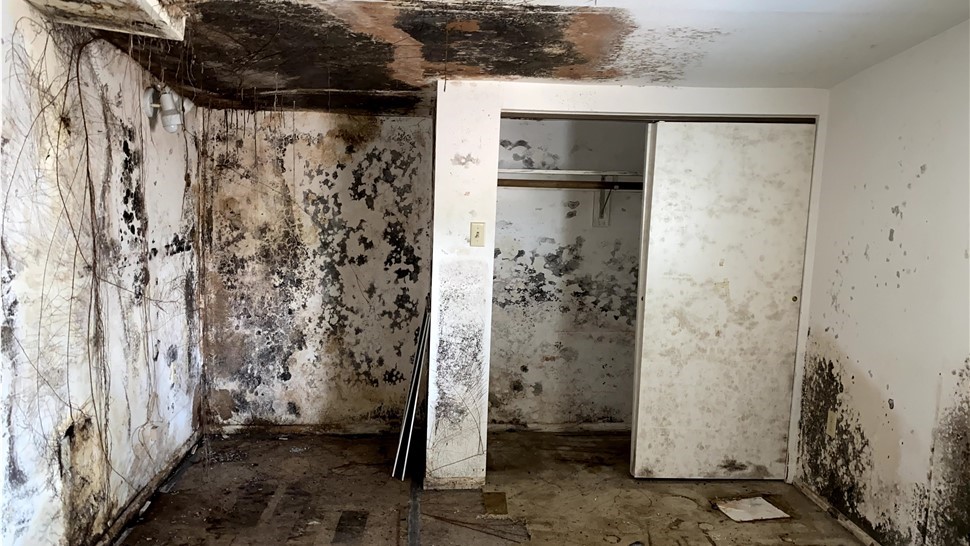
Why Mold Remediation Becomes Necessary in Melbourne After Heavy Rainstorms
Heavy rainstorms are a normal part of life in Melbourne. Between summer downpours, tropical systems, and extended storm bands during hurricane season, homes in this part of Brevard County experience repeated moisture exposure throughout the year. While some storm damage is obvious — missing shingles, fallen tree limbs, visible leaks — much of the real trouble begins quietly behind walls, above ceilings, and beneath flooring.
In Melbourne’s warm, humid climate, moisture that enters a home during heavy rain rarely dries on its own. When dampness lingers inside structural materials, mold growth can begin quickly. That’s why mold remediation often becomes necessary after heavy rainstorms — not because of catastrophic flooding, but because of hidden, persistent moisture.
Understanding how rain intrusion leads to mold helps homeowners respond early and prevent long-term structural damage.
How Heavy Rainstorms Introduce Moisture Into Homes
When Melbourne experiences prolonged rain or wind-driven storms, water can enter homes in subtle but impactful ways:
- Wind pushing rain under roof shingles
- Flashing separation around chimneys or vents
- Water intrusion around windows and sliding doors
- Saturated stucco or siding absorbing moisture
- Clogged gutters overflowing against exterior walls
- Poor yard grading directing water toward the foundation
Even when no standing water appears inside, moisture can penetrate building materials.
Roof leaks may drip slowly into attic insulation before reaching the ceiling below. Exterior wall cavities may become damp without any visible drywall staining. Slab foundations may absorb moisture from saturated soil.
Because these issues are often hidden, homeowners may not realize moisture is present until mold growth has already started.
Why Melbourne’s Climate Accelerates Mold Growth
Melbourne’s coastal climate creates ideal conditions for mold after heavy rain:
- High year-round humidity
- Warm temperatures
- Frequent summer storms
- Extended drying times
- Continuous air conditioning use
After a rainstorm, indoor humidity often rises significantly. If water has entered wall cavities or attic spaces, evaporation slows dramatically. Drywall, wood framing, and insulation absorb moisture and retain it.
In Florida’s environment, mold can begin forming within 24 to 48 hours when moisture remains trapped.
Even a minor roof or window leak can create enough dampness to trigger microbial growth.
Common Warning Signs After Heavy Rain
Many Melbourne homeowners overlook early indicators of hidden moisture. Signs that mold remediation may become necessary include:
- A musty odor developing days after rain
- Small ceiling stains that gradually expand
- Bubbling paint along exterior walls
- Damp baseboards near slab edges
- Warped or lifting flooring
- Indoor air feeling heavier than usual
These warning signs often appear before visible mold colonies are obvious.
Ignoring them allows moisture to spread further inside the structure.
How Moisture Spreads Behind the Scenes
Water rarely stays confined to one area. Once it enters a structure, it migrates through porous materials.
Moisture can:
- Wick upward through drywall
- Travel laterally along framing
- Soak into insulation
- Move beneath flooring adhesives
- Collect inside ceiling cavities
Because drywall and wood absorb water easily, surface dryness does not guarantee structural dryness.
In Melbourne’s humid climate, passive drying is rarely effective. Without professional detection, hidden moisture can remain for extended periods.
When Mold Remediation Becomes Necessary
Mold remediation becomes necessary when:
- Visible mold growth appears
- Musty odors persist despite drying efforts
- Moisture readings remain elevated inside walls
- Insulation has been saturated
- Indoor air quality changes noticeably
Remediation is not simply surface cleaning. It involves removing contaminated materials, controlling airborne particles, and restoring safe moisture levels.
In Florida’s climate, thorough remediation prevents recurrence.
Why DIY Cleanup Often Fails
After heavy rain, homeowners may attempt to dry visible areas with fans or open windows. While this may remove surface dampness, it does not address moisture inside structural cavities.
Common DIY mistakes include:
- Painting over minor stains
- Running household fans without dehumidification
- Assuming no visible mold means no problem
- Failing to check attic or wall cavities
Without moisture meters and thermal imaging, hidden dampness often goes undetected.
In Melbourne, this frequently leads to mold growth weeks after the original storm event.
The Professional Mold Remediation Process
When heavy rainstorms lead to mold development, a structured approach is used:
1. Moisture Mapping
Thermal imaging and moisture meters identify all affected areas, including hidden cavities.
2. Containment
Containment barriers prevent spores from spreading during removal.
3. HEPA Air Scrubbing
Air scrubbers filter airborne particles throughout the process.
4. Removal of Damaged Materials
Heavily contaminated drywall, insulation, or porous materials are safely removed.
5. Structural Drying
Air movers and dehumidifiers restore materials to safe moisture levels.
6. Verification
Moisture levels are confirmed before reconstruction begins.
This comprehensive process ensures contamination and underlying moisture are both addressed.
Hidden Areas Frequently Affected in Melbourne Homes
After heavy rainstorms, mold often develops in:
- Attic insulation
- Ceiling drywall beneath roof penetrations
- Exterior wall cavities
- Window framing
- Garage walls
- Lower slab-adjacent drywall
Because these areas are enclosed, mold may grow for weeks before becoming visible.
Professional inspections help identify these hidden zones early.
Why Timing Matters After Rainstorms
In Florida’s warm environment, moisture problems escalate quickly. Delaying inspection or remediation can result in:
- Larger areas of drywall removal
- Structural framing damage
- Persistent odors
- Higher restoration costs
- Recurring mold growth
Early action limits structural damage and shortens recovery time.
Preventing Mold After Heavy Rain in Melbourne
Homeowners can reduce risk by:
- Inspecting roofs and flashing after storms
- Checking attics for damp insulation
- Monitoring indoor humidity levels
- Maintaining gutters and downspouts
- Sealing window and door gaps
- Scheduling post-storm moisture evaluations
Proactive inspection often prevents minor intrusion from becoming major remediation.
Why Local Experience Matters
Mold remediation in Melbourne requires understanding:
- Coastal wind-driven rain patterns
- Slab foundation moisture behavior
- Attic heat and humidity interaction
- AC condensation during storm season
- Florida building materials
Dry-climate restoration strategies often fail in Florida’s persistent humidity.
Inspections and More FL serves Melbourne, Palm Bay, Cocoa, Merritt Island, Sanford, and surrounding areas with experience specific to Florida conditions. Local knowledge ensures storm-related moisture is handled properly for the region’s environment.
A Practical Next Step
If your Melbourne home has experienced heavy rainstorms and you notice musty odors, subtle staining, or elevated humidity, consider a professional moisture evaluation.
Mold remediation becomes necessary when hidden moisture has already created favorable conditions for growth. Addressing the issue early protects structural materials, maintains indoor stability, and prevents recurring damage.
In Florida’s humid climate, moisture rarely resolves on its own. After heavy rain, proactive inspection and timely remediation are the most effective ways to protect your home from long-term mold problems.
