
How Structural Dryouts Protect Properties in Melbourne Under Hardwood Flooring
Hardwood floors are one of the most sought-after features in Melbourne homes. They look clean, feel solid, and add long-term value. But in coastal Florida, hardwood flooring sits in one of the most moisture-sensitive environments in the country.
When moisture gets beneath hardwood flooring — whether from humidity, slab vapor, plumbing leaks, or storm intrusion — the real damage often happens out of sight. By the time boards start cupping or buckling, the subfloor underneath may already be holding elevated moisture.
That’s where structural dryouts become critical.
In Melbourne, where humidity is constant and storms are seasonal realities, structural drying under hardwood flooring protects both the visible surface and the hidden structural materials below.
Let’s take a closer look at what most homeowners don’t see — and how proper dryouts prevent long-term damage.
Why Hardwood Flooring Is Vulnerable in Melbourne
Melbourne homes deal with:
- High year-round humidity
- Heavy rain and storm cycles
- Coastal salt air
- Slab-on-grade foundations
- Long AC operating seasons
Hardwood is a natural material. It expands when it absorbs moisture and contracts when it dries. That movement is normal to a degree.
But when moisture accumulates beneath the flooring — especially in the subfloor or slab — expansion becomes excessive. That’s when cupping, crowning, or separation begins.
The flooring is often just the symptom.
Common Moisture Sources Under Hardwood Floors
In Melbourne homes, structural dryouts are often needed after:
1. Slab Vapor Transmission
Older homes may not have modern vapor barriers beneath concrete slabs.
After heavy rain, moisture can migrate upward into adhesives and wood flooring.
2. Minor Plumbing Leaks
Slow leaks under sinks, behind refrigerators, or inside walls can spread beneath hardwood before being detected.
3. AC Condensation Issues
Air handler closets or sweating ducts near hardwood areas can introduce hidden dampness.
4. Storm-Driven Rain
Wind-driven rain common in coastal Melbourne can travel through wall cavities and settle into subfloor systems.
5. Elevated Indoor Humidity
Prolonged high humidity allows subfloor materials to absorb moisture gradually.
Because these sources are often subtle, homeowners may not connect them to flooring changes right away.
Early Signs That Moisture Is Active Below
Before severe damage appears, you might notice:
- Slight cupping along board edges
- Small gaps forming between boards
- A soft or spongy feel in isolated areas
- Musty odors near the floor
- Warping near baseboards
- Flooring changes after heavy rain
In Florida, repeated seasonal swelling often points to underlying moisture rather than simple expansion.
What Most People Overlook
Many homeowners assume that if the surface of the hardwood feels dry, everything underneath must be dry too.
That’s rarely the case.
Subfloors and slabs can retain moisture long after the surface stabilizes.
Another overlooked factor: running a household dehumidifier may lower room humidity but won’t necessarily dry moisture trapped between hardwood and subfloor layers.
Structural dryouts focus specifically on the hidden materials.
What a Structural Dryout Under Hardwood Flooring Involves
A proper structural dryout is systematic and measured.
It is not based on “waiting it out.”
Here’s how the process typically works in Melbourne properties.
Step 1: Moisture Mapping
Technicians begin with:
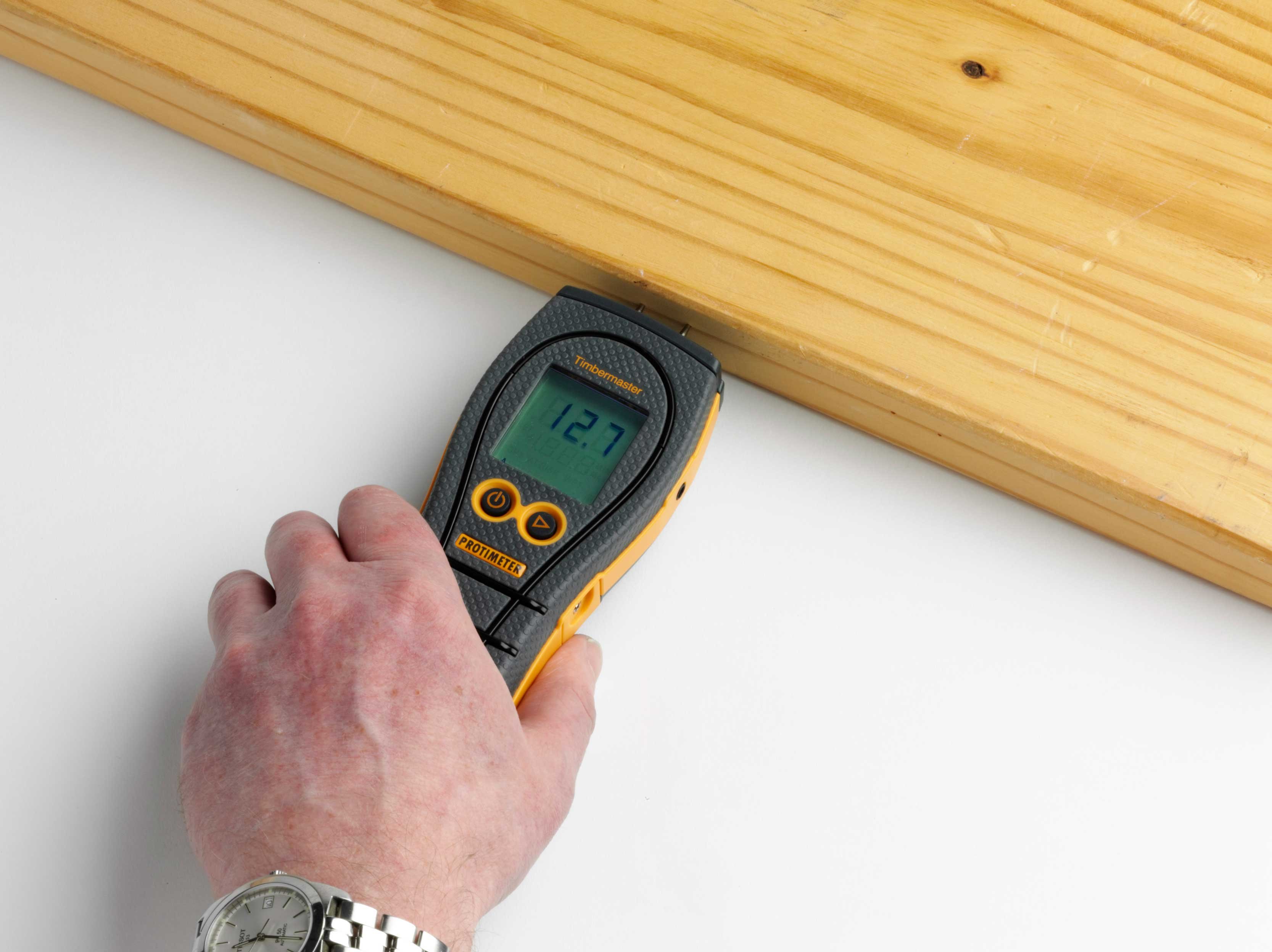
- Moisture meter readings of hardwood
- Subfloor testing
- Slab moisture evaluation
- Thermal imaging scans
- Indoor humidity measurement
Mapping identifies the full footprint of elevated moisture.
Without this step, drying may miss critical areas.
Step 2: Correct the Moisture Source
Drying without stopping the source leads to recurring problems.
This may involve:
- Plumbing repairs
- Slab moisture mitigation
- Clearing AC drain lines
- Improving ventilation
- Sealing exterior intrusion points
Source correction always comes first.
Step 3: Evaluate Flooring Salvageability
If moisture is caught early:
- Boards may flatten once dried
- Subfloor damage may be limited
If moisture has remained too long, selective board removal may be required.
Early intervention increases the likelihood of saving the flooring.
Step 4: Controlled Dehumidification
Commercial-grade dehumidifiers remove moisture from the air.
Air movers increase evaporation from flooring surfaces.
In Melbourne’s humidity, drying must be controlled. Opening windows typically raises moisture levels instead of lowering them.
Step 5: Directed Drying Beneath Flooring
Specialized systems may be used, such as:
- Floor drying mats
- Injectidry systems
- Targeted airflow techniques
These systems draw moisture upward from beneath hardwood without full removal.
This step is often overlooked in DIY attempts.
Step 6: Continuous Monitoring
Moisture levels are tracked daily.
Drying continues until subfloor and slab readings reach acceptable ranges.
Stopping too soon often leads to recurring cupping.
Why Melbourne’s Climate Makes Structural Dryouts Essential
In drier regions, subfloors may dry naturally over time.
In Melbourne:
- Outdoor humidity remains elevated
- Evening moisture slows evaporation
- Storm cycles reintroduce dampness
- Coastal air slows material stabilization
Without controlled drying, moisture can remain trapped beneath hardwood for extended periods.
Structural dryouts interrupt that cycle.
The Mold Prevention Factor
When subfloors stay damp:
- Mold can develop between layers
- Odors may migrate upward
- Framing may become affected
- Indoor air quality may decline
Drying materials quickly prevents microbial growth from establishing.
Companies like Inspections and More FL focus on measurement-based drying to ensure moisture is fully resolved before cosmetic repairs begin.
Long-Term Protection for Hardwood Floors in Melbourne
To reduce recurring moisture issues:
- Maintain AC systems annually
- Flush condensate drain lines
- Inspect plumbing regularly
- Monitor indoor humidity levels
- Evaluate slab moisture in older homes
- Inspect after heavy storms
- Schedule periodic moisture assessments
Hardwood performs well in Florida when moisture levels remain controlled.
Why Local Experience Matters
Drying hardwood in Melbourne requires understanding:
- Coastal humidity patterns
- Slab foundation behavior
- Storm-driven moisture travel
- Realistic drying timelines in humid air
- Which neighborhoods experience higher groundwater levels
Local expertise ensures accurate drying without unnecessary demolition.
A Practical Next Step
If your hardwood floors are cupping, warping, or developing gaps — especially after storms or prolonged humidity — don’t assume it’s just seasonal movement.
Moisture beneath the surface may still be active.
A professional moisture evaluation determines whether structural drying is needed and how far moisture has traveled.
In Melbourne’s climate, early structural dryouts protect both the hardwood flooring and the structural system beneath it — preventing minor changes from turning into major floor replacements.
