
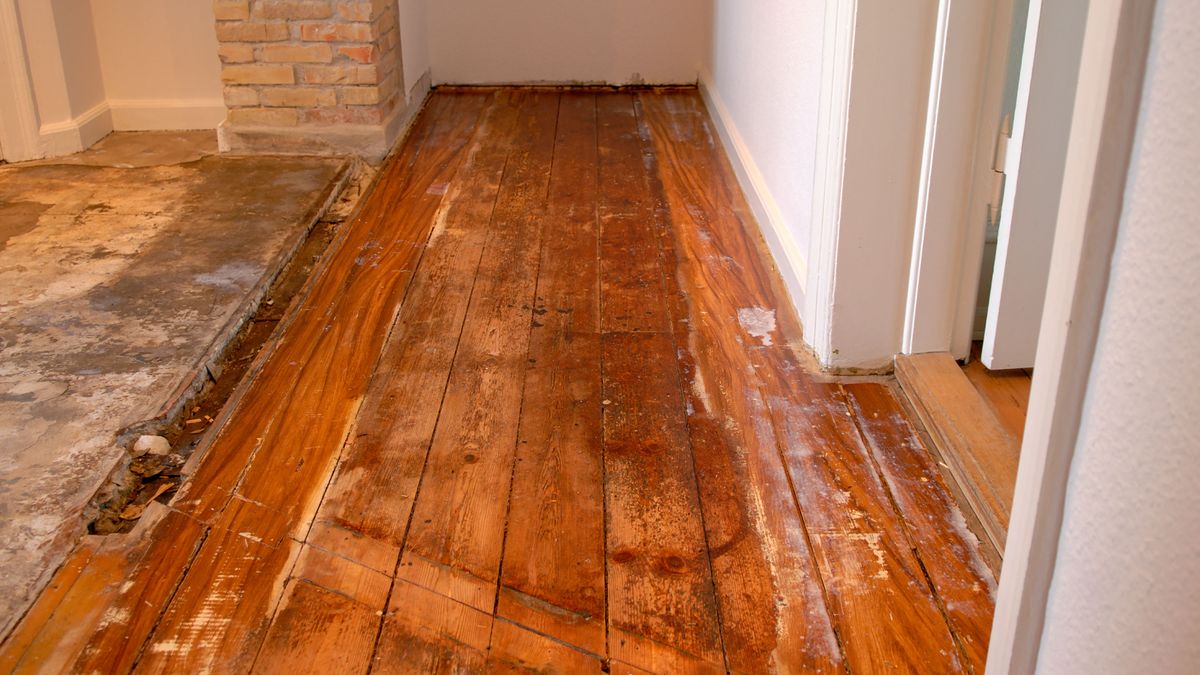
How Mold Encapsulation Protects Properties in Sanford Under Hardwood Flooring
Hardwood flooring is a popular choice in many Sanford homes. It adds warmth, durability, and long-term value. But beneath the finished planks lies an area most homeowners rarely think about — the subfloor and structural framing underneath. When moisture becomes trapped below hardwood flooring, especially in Florida’s humid climate, mold growth can begin quietly and spread before visible damage appears.
In Sanford, where humidity levels stay elevated for much of the year, mold encapsulation often becomes a critical step in protecting the structure beneath hardwood flooring. Encapsulation is not a shortcut or cosmetic fix. When performed correctly, it helps stabilize cleaned structural materials and prevent recurring damage.
Understanding how mold develops under hardwood flooring — and how encapsulation protects your home — can make the difference between a minor repair and a recurring structural issue.
Why Hardwood Flooring Is Vulnerable in Sanford Homes
Sanford properties face environmental conditions that increase moisture risk:
- High year-round humidity
- Frequent heavy rainstorms
- Storm season wind-driven rain
- Slab foundation construction
- Continuous air conditioning use
Hardwood is naturally porous. It expands and contracts based on moisture levels in the surrounding air. When water intrudes from plumbing leaks, slab migration, roof leaks, or AC condensation, moisture can seep beneath the planks and into the subfloor.
Because hardwood flooring limits airflow to the layers beneath it, moisture can remain trapped. In Florida’s humid climate, trapped moisture rarely dries quickly without intervention.
How Mold Develops Beneath Hardwood Flooring
Mold requires moisture, warmth, and organic material to grow. Under hardwood flooring, all three conditions can exist.
Common moisture sources include:
- Slow plumbing leaks under sinks or inside walls
- Slab moisture migrating upward
- Flooding from heavy rain
- AC drain line overflows
- Crawl space humidity
- Improperly dried previous water damage
Once moisture saturates the subfloor, mold can develop on:
- Plywood or OSB subfloor panels
- Wood framing joists
- Insulation beneath flooring
- Slab-adjacent base plates
Because the area is concealed, mold may grow for weeks before homeowners notice signs such as cupping, warping, musty odors, or floorboard separation.
By the time visible symptoms appear, contamination beneath the surface may already be established.
What Mold Encapsulation Actually Is
Mold encapsulation involves applying a professional-grade sealing coating to cleaned structural surfaces after contamination has been properly addressed.
It is important to understand that encapsulation does not replace remediation. Instead, it follows thorough mold removal and structural drying.
Encapsulation works by:
- Sealing porous wood surfaces
- Locking down residual staining
- Creating a moisture-resistant barrier
- Reducing the likelihood of future microbial growth
- Stabilizing structural materials
In Sanford’s humid environment, encapsulation provides an added layer of protection against recurring moisture exposure.
The Step-by-Step Process Beneath Hardwood Flooring
When mold is discovered under hardwood flooring in a Sanford home, the process typically includes:
1. Moisture Detection
Moisture meters and thermal imaging identify the extent of dampness beneath the flooring.
2. Controlled Access
Sections of hardwood may be carefully removed to expose affected subfloor areas.
3. Mold Removal
Contaminated materials are cleaned using appropriate remediation methods. Severely damaged materials may require removal.
4. Structural Drying
Air movers and commercial dehumidifiers restore subfloor moisture to safe levels suitable for Florida’s climate.
5. Encapsulation Application
A specialized coating is applied to treated structural wood surfaces to seal and protect them.
6. Final Verification
Moisture readings confirm that materials are dry before flooring is reinstalled.
Each step is critical. Skipping drying or sealing can lead to recurring problems.
Why Encapsulation Is Especially Important in Sanford
Sanford’s climate presents continuous humidity pressure. Even after remediation, future moisture exposure remains possible.
Encapsulation offers protection by:
- Limiting absorption of ambient moisture
- Strengthening subfloor surfaces
- Reducing vulnerability during humidity spikes
- Providing long-term structural stabilization
Without encapsulation, previously affected wood may remain more susceptible to future humidity changes.
In Florida, added moisture resistance is often necessary to protect hardwood installations.
Slab Foundations and Moisture Migration
Many Sanford homes are built on slab foundations. Concrete slabs can absorb ground moisture during prolonged rain events or high groundwater periods.
Moisture can migrate upward into:
- Lower wall framing
- Subfloor edges
- Flooring adhesives
- Hardwood planks
Encapsulation helps create a protective barrier between cleaned structural wood and future slab-related moisture.
However, humidity control and proper drainage are also essential to prevent recurrence.
Common Mistakes Homeowners Make
When dealing with mold under hardwood flooring, some property owners make critical mistakes:
- Replacing hardwood without addressing subfloor moisture
- Ignoring musty odors after storms
- Attempting surface cleaning without moisture detection
- Skipping professional drying
- Overlooking slab moisture migration
Simply installing new flooring over damp subfloors can trap moisture and accelerate recurring mold growth.
Encapsulation must be part of a comprehensive remediation plan — not a shortcut.
Long-Term Prevention Strategies
After mold encapsulation is completed, homeowners should focus on maintaining stable indoor conditions.
Prevention steps include:
- Keeping indoor humidity between 45–55%
- Servicing HVAC systems annually
- Cleaning AC drain lines regularly
- Monitoring slab edges and baseboards
- Inspecting plumbing connections periodically
- Addressing minor leaks immediately
Routine moisture evaluations are particularly important in Florida’s humid environment.
Why Local Experience Matters in Sanford
Mold encapsulation under hardwood flooring requires an understanding of:
- Central Florida humidity patterns
- Slab foundation moisture behavior
- AC condensation cycles
- Seasonal storm impacts
- Florida construction materials
Dry-climate solutions often fail to account for Florida’s persistent moisture exposure.
Inspections and More FL serves Sanford, Palm Bay, Cocoa, Melbourne, Merritt Island, and surrounding communities with experience specific to Florida’s climate. Local expertise ensures encapsulation is performed correctly and integrated with proper moisture control strategies.
When Should You Consider Encapsulation?
Encapsulation may be recommended when:
- Mold was discovered after a plumbing leak
- Heavy rain caused subfloor moisture
- Hardwood planks showed repeated warping
- Slab moisture migration was identified
- Musty odors persist beneath flooring
Early evaluation prevents larger structural repairs.
A Practical Next Step
If your Sanford home has experienced moisture beneath hardwood flooring, it’s important to determine whether mold encapsulation is necessary. Replacing visible flooring without stabilizing the subfloor can lead to recurring damage.
Encapsulation protects structural materials by sealing cleaned surfaces and adding long-term moisture resistance. In Florida’s humid climate, this added protection often makes the difference between a lasting repair and repeated restoration.
Addressing moisture beneath hardwood flooring thoroughly — not just cosmetically — ensures your property remains stable, durable, and protected in Sanford’s challenging environmental conditions.
