
Understanding Mold Removal Challenges in Palm Bay in Older Florida Homes
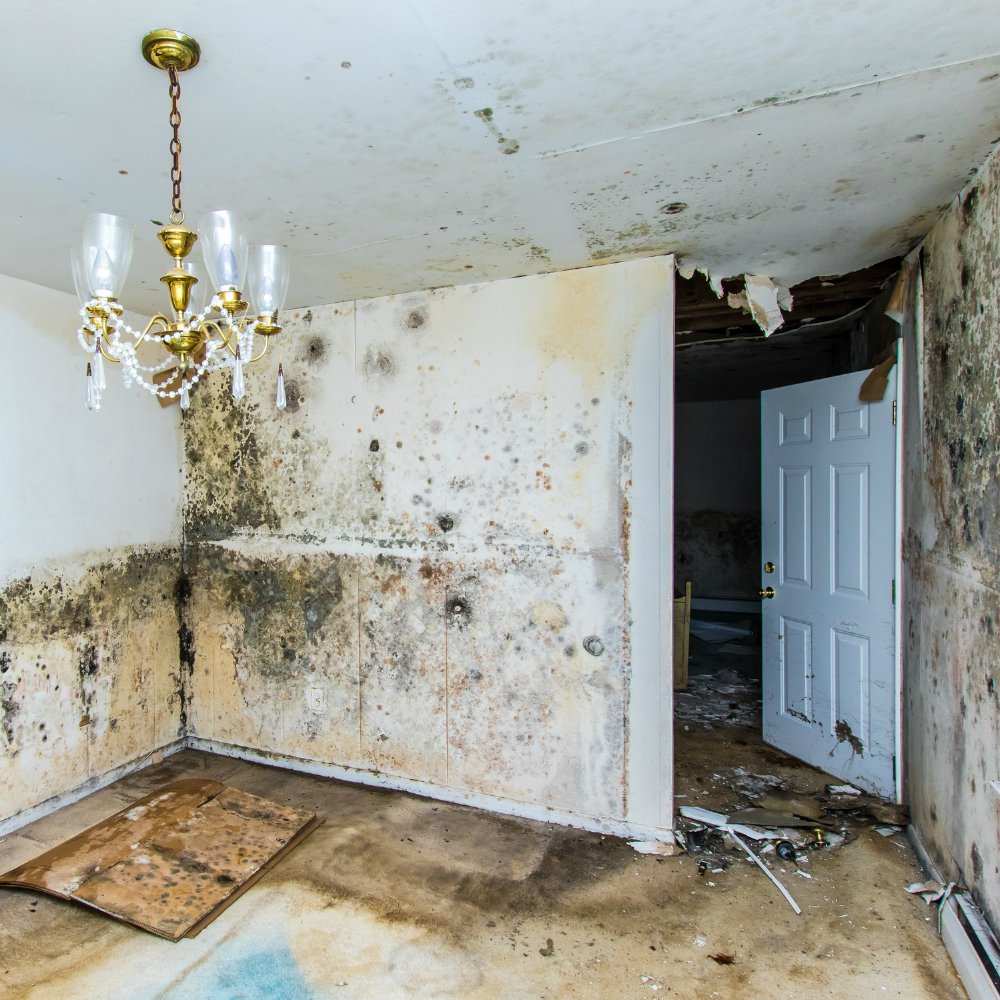
Older Florida homes in Palm Bay have character. Many were built decades ago, long before today’s moisture-resistant building materials and updated ventilation standards became common. They often feature solid construction, established neighborhoods, and architectural charm. But they also come with a hidden challenge — moisture vulnerability.
In Palm Bay’s humid coastal climate, mold removal in older homes presents unique obstacles. Construction styles, aging materials, and decades of exposure to heavy rain, salt air, and high humidity create conditions that make mold more persistent and more complex to address.
Understanding those challenges helps homeowners respond correctly and protect their investment.
Why Older Homes in Palm Bay Are More Susceptible to Mold
Palm Bay’s older homes were often built in the 1960s, 70s, and 80s. At the time, moisture management strategies were not as advanced as they are today.
Several factors contribute to increased mold risk.
Outdated Ventilation Systems
Older homes may have limited attic ventilation or vented crawl spaces that allow humid outdoor air to circulate freely. In Florida’s climate, open vents can increase moisture rather than reduce it.
Aging Roofs and Exterior Materials
Over time, roofing materials, flashing, window seals, and stucco develop small cracks. Wind-driven rain during storms can enter these openings and travel into wall cavities.
Slab Foundations Without Modern Barriers
Many older homes were built on slabs without today’s improved vapor barrier systems. Moisture vapor from saturated soil can migrate upward into flooring systems.
Original Plumbing and HVAC Systems
Aging pipes may develop slow leaks inside walls. Older HVAC systems may not regulate humidity effectively, allowing indoor moisture levels to remain elevated.
All of these conditions combine with Palm Bay’s year-round humidity to create an environment where mold removal becomes more complicated.
Common Mold Problem Areas in Older Palm Bay Homes
Mold in older properties often appears in predictable areas.
Behind Interior Walls
Slow plumbing leaks or exterior intrusion can soak insulation inside walls for extended periods.
Attic Spaces
Inadequate ventilation and roof aging allow moisture to collect on roof decking and rafters.
Under Hardwood or Tile Flooring
Moisture rising from slab foundations can become trapped beneath older flooring materials.
Around Windows and Doors
Salt air exposure accelerates seal deterioration, allowing small amounts of water to enter during heavy rain.
Inside Air Ducts
Older duct systems may sweat in humid attic environments, introducing moisture into surrounding insulation.
Why Mold Removal Is More Challenging in Older Structures
Removing mold from a newer home often involves isolated repairs. In older homes, the issue is rarely isolated.
Layered Construction Materials
Over decades, homeowners may have added layers of flooring, drywall patches, or insulation. Moisture can become trapped between layers.
Hidden Structural Damage
Wood framing exposed to long-term moisture may show early rot. Careful removal is necessary to avoid compromising structural stability.
Inconsistent Repairs
Previous repairs may have addressed surface damage without correcting moisture sources. This can allow mold to return.
Limited Access
Older homes sometimes have tight attic spaces or inaccessible wall cavities, making inspection and removal more complex.
These factors require a thorough, methodical approach rather than quick surface treatment.
Warning Signs You Shouldn’t Ignore
Mold removal challenges often begin with small clues.
Palm Bay homeowners in older properties may notice:
- Persistent musty odors
- Peeling paint or bubbling drywall
- Warped flooring
- Ceiling stains
- Increased indoor humidity
- Allergy-like symptoms indoors
Even if visible mold is limited, hidden contamination may be present behind surfaces.
Why DIY Mold Removal Rarely Works in Older Homes
Homeowners often attempt:
- Bleach cleaning
- Painting over stains
- Surface scrubbing
- Running dehumidifiers
While these steps may improve appearance temporarily, they do not remove mold embedded in porous materials like drywall, insulation, or wood framing.
In older homes, disturbing mold without containment can also spread spores to unaffected areas.
Proper mold removal requires identifying the moisture source and addressing contamination thoroughly.
How Professional Mold Removal Is Handled
In Palm Bay’s older homes, mold removal follows a structured process.
1. Comprehensive Inspection
Professionals begin with:
- Visual evaluation
- Moisture meter testing
- Thermal imaging scans
- Humidity measurements
This identifies both visible and hidden moisture sources.
2. Containment Setup
Before removal begins, affected areas are sealed off using plastic barriers and negative air systems to prevent cross-contamination.
3. Selective Material Removal
Contaminated drywall, insulation, and other materials are removed carefully. Structural components are evaluated for integrity.
4. HEPA Cleaning and Treatment
Exposed framing and surfaces are HEPA vacuumed and cleaned with approved antimicrobial solutions.
5. Controlled Drying
Industrial dehumidifiers and air movers ensure all materials return to safe moisture levels.
6. Moisture Source Correction
Roof leaks, plumbing issues, or ventilation deficiencies are corrected to prevent recurrence.
Without correcting the moisture source, mold removal will not provide lasting results.
The Role of Encapsulation in Older Homes
In some cases, encapsulation is appropriate after cleaning. This involves applying a mold-resistant coating to structural surfaces.
Encapsulation is only recommended after thorough cleaning and drying. It is not a replacement for proper removal or moisture correction.
Preventing Future Mold in Older Palm Bay Homes
Because older homes are more vulnerable, prevention requires consistent maintenance.
Homeowners can reduce risk by:
- Inspecting roofs annually
- Sealing cracks in stucco and exterior walls
- Monitoring indoor humidity between 45–55%
- Scheduling HVAC maintenance
- Inspecting plumbing lines
- Evaluating attic ventilation
Post-storm inspections are especially important in hurricane-prone Palm Bay.
Why Local Experience Matters
Mold removal in older Palm Bay homes differs from inland properties in places like Sanford. Coastal humidity, salt air, and storm patterns influence how moisture enters and behaves within structures.
Professionals familiar with Palm Bay understand:
- Typical construction methods used decades ago
- How slab foundations perform in coastal soil
- Common intrusion points during storms
- Drying timelines appropriate for Florida’s climate
Inspections and More FL has worked extensively in Palm Bay and surrounding communities, addressing mold removal challenges unique to older Florida homes. Local knowledge leads to accurate assessment and effective remediation strategies.
A Practical Next Step
If you own an older home in Palm Bay and suspect mold, early evaluation is key.
Mold removal challenges increase when problems are ignored. A professional inspection can determine:
- Whether mold is present
- How far it has spread
- What moisture source is contributing
- What removal steps are required
Older homes have lasting value. With proper moisture management and structured mold removal, they can remain safe, stable, and comfortable despite Palm Bay’s humid coastal climate.
