
Why Mold Removal Becomes Necessary in Sanford Inside Attic Spaces
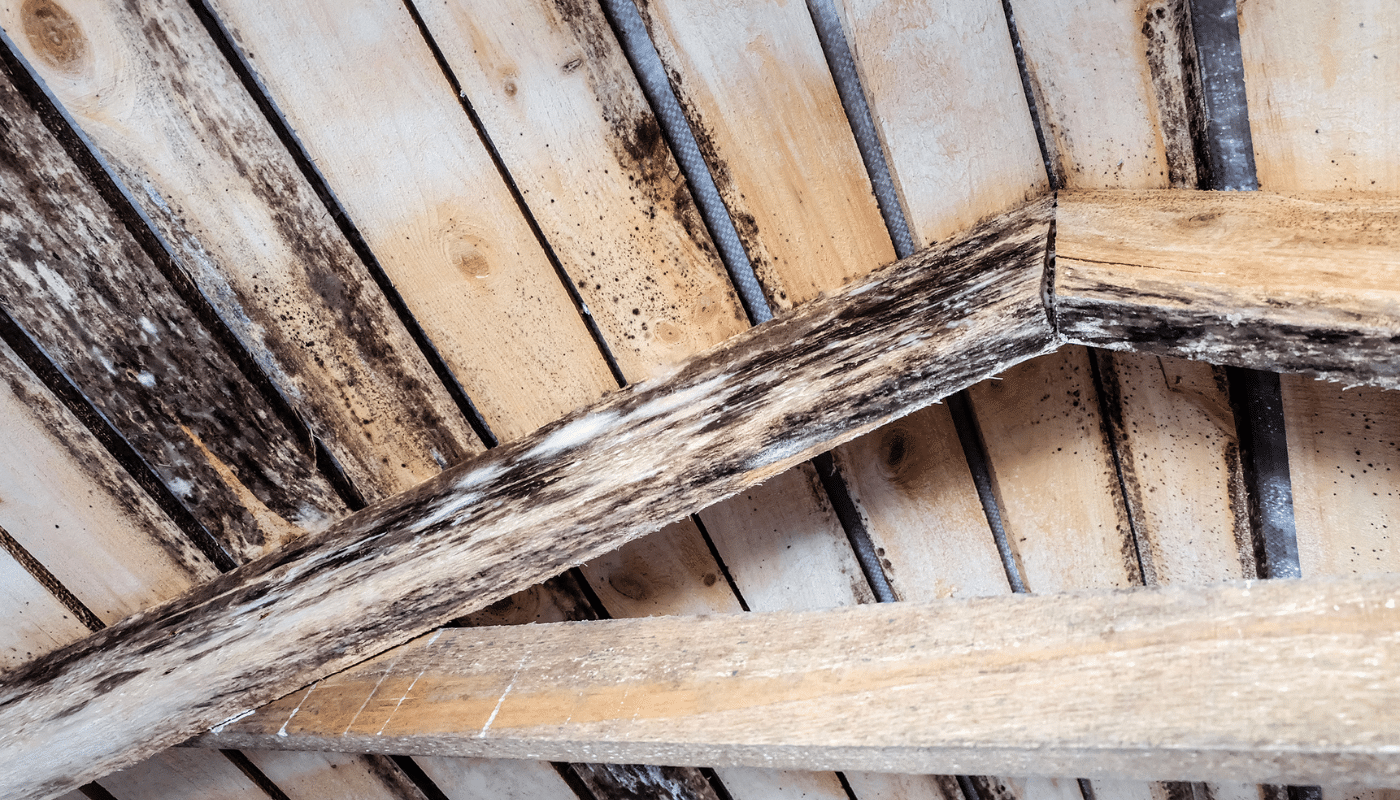
Attic spaces in Sanford homes are easy to overlook. They sit above the ceiling, rarely visited unless there’s a roofing issue or storage need. But in Central Florida’s humid environment, attics are often one of the first areas where moisture problems develop — quietly and out of sight.
Sanford may not sit directly on the coast like Cocoa or Merritt Island, but humidity, heavy rain, long cooling seasons, and intense summer heat still create ideal conditions for attic mold growth. When warm air, trapped moisture, and insufficient ventilation combine, mold removal often becomes necessary to protect both the structure of the home and the indoor environment below.
Understanding why attic mold forms — and why removal becomes essential — helps homeowners take the right steps before the problem spreads.
Why Attics in Sanford Are Highly Vulnerable to Mold
Attics naturally trap heat. During much of the year in Sanford, attic temperatures can rise significantly above outdoor air. When that heat mixes with moisture, condensation forms on cooler surfaces like roof decking and framing.
Attics contain:
- Exposed wood framing
- Roof sheathing
- Insulation
- HVAC ductwork
- Electrical penetrations
All of these materials are affected by humidity.
When warm, moist air cannot escape properly, it condenses on wood surfaces. Once that condensation repeats over time, mold spores — which are always present in the air — can begin to grow.
Attics are dark and often poorly ventilated. Add Florida’s humidity, and mold growth becomes more likely than many homeowners expect.
The Main Causes of Attic Mold in Sanford Homes
Several conditions commonly lead to attic mold problems in Sanford.
Inadequate Ventilation
Proper attic ventilation relies on balanced airflow between soffit vents and ridge or gable vents. If airflow is blocked, uneven, or insufficient, moist air becomes trapped.
Older homes in Sanford sometimes have outdated ventilation systems that cannot keep up with Florida’s humidity.
Roof Leaks After Storms
Sanford experiences heavy rain and strong seasonal storms. Even small roofing vulnerabilities can allow water to seep into insulation and onto roof decking.
Leaks don’t always show up immediately on ceilings below. Water often lingers inside attic materials first.
HVAC Duct Condensation
Many homes have air conditioning ducts running through the attic. If duct insulation is damaged or thin, condensation can form on the exterior of ducts.
That moisture drips onto insulation and framing, creating damp conditions that promote mold growth.
Exhaust Fans Venting Into the Attic
Bathroom and kitchen exhaust fans should vent outside. If they release moist air directly into the attic, humidity levels rise quickly.
Elevated Indoor Humidity
When indoor humidity remains high, warm air naturally rises through ceiling penetrations and into the attic. That moisture then condenses on cooler surfaces.
Warning Signs That Mold May Be Present
Because attic spaces are rarely inspected, mold often grows for months before discovery.
Sanford homeowners may notice:
- A musty smell inside the home
- Discoloration on ceilings
- Darkened attic insulation
- Uneven cooling
- Higher energy bills
- Rust on exposed attic nails
In some cases, mold is discovered during a roof repair or home inspection.
Why Mold Removal Becomes Necessary
Mold in an attic is not just a cosmetic issue. Over time, it can affect structural materials and indoor air.
Structural Concerns
Wood framing exposed to long-term moisture may weaken. Roof decking that remains damp can deteriorate gradually.
Removing mold and correcting moisture prevents further structural damage.
Insulation Performance
Wet or mold-contaminated insulation loses its effectiveness. This reduces energy efficiency and increases cooling costs — especially during Sanford’s long summer season.
Indoor Air Circulation
Attics are connected to living spaces through ductwork and natural air movement. Mold spores in the attic can circulate into the home.
Spread to Adjacent Areas
If moisture is not corrected, mold can extend into wall cavities or ceiling materials.
In Sanford’s humid environment, mold rarely resolves without intervention.
Why DIY Mold Removal Is Risky in Attics
Homeowners sometimes try to:
- Spray bleach on visible mold
- Scrub wood surfaces
- Paint over darkened areas
- Increase ventilation without evaluation
These approaches do not address the root moisture problem.
Bleach does not penetrate porous wood deeply enough to eliminate embedded mold. Scrubbing without containment can release spores into the home. Painting over affected areas traps moisture rather than resolving it.
Attic mold removal requires containment, cleaning, and moisture correction — not surface treatment.
How Professional Mold Removal Is Handled
In Sanford attic spaces, remediation follows a structured process.
1. Detailed Inspection
Professionals assess:
- Roof decking and framing
- Moisture levels in wood
- Ventilation systems
- HVAC duct insulation
- Signs of roof intrusion
Moisture meters and thermal imaging tools help detect hidden damp areas.
2. Containment Procedures
Access points are sealed to prevent spore movement into living spaces. Negative air systems may be used during removal.
3. Removal of Contaminated Insulation
If insulation is mold-affected, it may need to be removed and replaced.
4. HEPA Cleaning and Treatment
Exposed wood surfaces are:
- HEPA vacuumed
- Professionally cleaned
- Treated with approved antimicrobial solutions
5. Moisture Source Correction
Ventilation improvements, duct insulation upgrades, and roof repairs are completed to prevent recurrence.
6. Controlled Drying
Industrial dehumidifiers and air movers ensure all materials return to safe moisture levels.
Without addressing the moisture source, mold will return.
Preventing Attic Mold in Sanford
Prevention requires consistent maintenance.
Homeowners can reduce risk by:
- Inspecting roofs annually
- Ensuring exhaust fans vent outdoors
- Maintaining duct insulation
- Checking attic insulation condition
- Monitoring indoor humidity between 45–55%
- Scheduling inspections after major storms
Routine attic evaluations are especially important during hurricane season.
Why Local Sanford Experience Matters
Sanford’s climate brings long humid seasons and heavy rainfall. While not directly coastal, the region still experiences high moisture exposure.
Professionals familiar with Sanford understand:
- Common attic ventilation designs in local homes
- How summer storms affect roofing systems
- Typical duct layouts in older Florida properties
- Drying timelines appropriate for Central Florida
Inspections and More FL has worked throughout Sanford and nearby communities addressing attic mold issues tied to Florida’s humidity patterns. Local experience leads to accurate diagnosis and effective long-term solutions.
A Practical Next Step
If you suspect mold in your Sanford attic — or haven’t inspected the space in years — scheduling a professional evaluation is a smart decision.
Mold removal becomes necessary when:
- Visible growth appears
- Insulation is damp or discolored
- Musty odors persist
- Moisture readings are elevated
Addressing attic mold early protects structural materials, improves energy efficiency, and supports healthier indoor conditions.
In Sanford’s humid climate, proactive attic inspections and proper mold removal ensure your home remains stable, dry, and protected for years to come.
