
How Mold Remediation Protects Properties in Melbourne in Coastal Properties
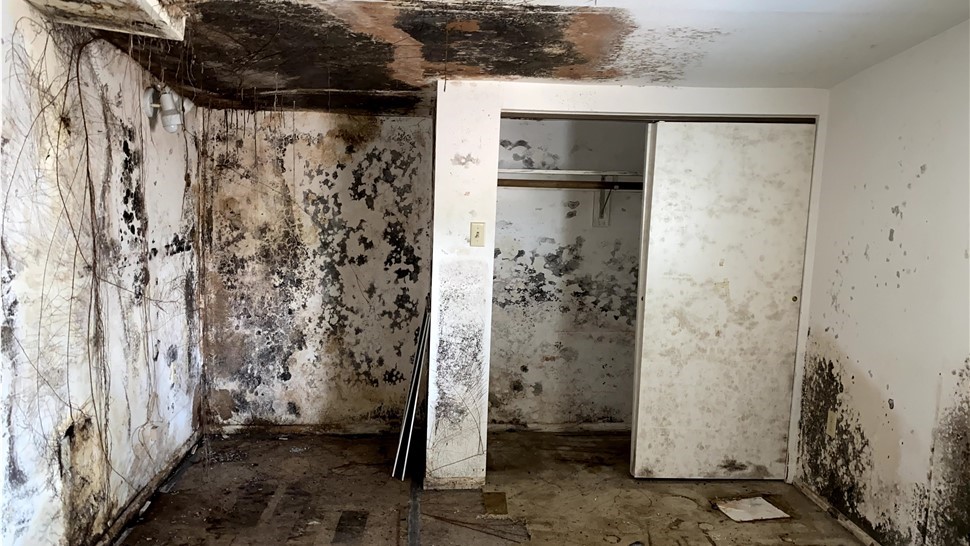
Living in Melbourne offers beautiful waterfront views, steady ocean breezes, and the kind of coastal lifestyle many people move to Florida for. But along with that beauty comes constant exposure to moisture.
Salt air, high humidity, tropical storms, and wind-driven rain create the perfect environment for mold growth in coastal properties. When moisture enters walls, ceilings, or flooring and doesn’t fully dry, mold can develop quickly — sometimes within just a couple of days.
For homeowners and landlords in Melbourne, Merritt Island, Palm Bay, Cocoa, and even Sanford, professional mold remediation isn’t just about cleaning visible spots. It’s about protecting the structure of the property and preventing long-term damage in Florida’s demanding coastal climate.
Why Coastal Properties in Melbourne Face Higher Mold Risk
Melbourne’s location along Florida’s east coast means properties are consistently exposed to:
- Elevated humidity levels
- Salt-heavy air
- Hurricane season moisture
- Frequent afternoon rainstorms
- Wind-driven rain infiltration
Salt air can slowly degrade exterior materials like window seals, flashing, and roofing components. Over time, even minor openings allow moisture intrusion.
Coastal homes also tend to experience higher interior humidity levels, especially if ventilation or air conditioning systems are not properly balanced.
In slab foundation homes common across Melbourne and Palm Bay, ground moisture can contribute to elevated indoor humidity as well.
All of these factors combine to increase mold risk year-round.
What Mold Does to a Property
Mold doesn’t just affect air quality. It impacts the structure itself.
When mold develops inside wall cavities, attics, or beneath flooring, it feeds on organic building materials like:
- Wood framing
- Drywall paper backing
- Subfloor materials
- Insulation
- Ceiling tiles
Over time, mold growth can weaken materials and lead to:
- Structural softening
- Warping
- Persistent odors
- Discoloration
- Recurring moisture retention
In coastal environments like Melbourne, constant humidity allows mold to spread more easily if not properly addressed.
Common Signs Melbourne Property Owners Notice
Coastal homeowners often report subtle warning signs before discovering visible mold.
These may include:
- Musty odors that linger
- Dark spotting on ceilings or baseboards
- Paint bubbling or peeling
- Warped hardwood flooring
- Increased allergy-like symptoms indoors
- AC systems running constantly without improving comfort
In waterfront homes near Indian Harbour Beach and throughout greater Melbourne, attic mold is especially common due to heat buildup combined with humid air intrusion.
Rental property owners across Cocoa and Merritt Island often discover mold after tenant complaints about air quality.
Hidden Areas Where Mold Thrives in Coastal Homes
In Melbourne’s coastal properties, mold often develops in hidden areas.
Common locations include:
- Behind drywall after roof leaks
- Inside attic insulation
- Around windows exposed to wind-driven rain
- Under tile or laminate flooring
- Inside HVAC ductwork
- Beneath cabinets in kitchens and bathrooms
Coastal salt exposure can weaken materials over time, allowing repeated small moisture intrusions that go unnoticed until mold becomes visible.
Without proper remediation, simply cleaning the surface won’t stop growth behind walls.
Why DIY Mold Cleanup Is Not Enough
Many homeowners attempt to clean visible mold with bleach or store-bought sprays. While that may remove staining temporarily, it rarely addresses the root cause.
DIY methods often fail because:
- Bleach does not penetrate porous materials
- Moisture sources remain uncorrected
- Mold spores become airborne during cleaning
- No containment prevents spread
- Hidden growth is left untreated
In high-humidity areas like Melbourne, incomplete cleaning often leads to rapid regrowth.
True protection requires addressing both mold and moisture.
What Professional Mold Remediation Involves
Mold remediation in coastal Melbourne properties follows a structured process.
It begins with inspection and moisture detection, using:
- Moisture meters
- Thermal imaging cameras
- Indoor humidity readings
- Visual attic and crawl space assessments
If mold is confirmed, containment procedures are implemented to prevent cross-contamination.
Remediation steps may include:
- Isolating affected areas
- HEPA air scrubbing
- Safe removal of contaminated materials
- Anti-microbial treatments
- Mold encapsulation of structural framing when appropriate
- Controlled structural drying
Companies like Inspections and More FL follow these structured procedures because Florida’s climate requires thorough moisture correction, not just surface cleaning.
The Importance of Air Scrubbing and Containment
During remediation, air scrubbers with HEPA filtration capture airborne particles released during removal.
Containment barriers prevent spores from spreading to unaffected areas of the home.
This step is especially important in larger coastal properties in Melbourne and Palm Bay where airflow patterns can distribute contaminants quickly.
Without containment, remediation efforts can unintentionally spread the issue.
Moisture Control Is the Long-Term Solution
Remediation doesn’t stop with mold removal. Long-term protection requires correcting the moisture source.
In Melbourne’s coastal homes, that may involve:
- Roof repairs after storm damage
- Window resealing
- Improving attic ventilation
- Adjusting HVAC dehumidification settings
- Cleaning condensate lines
- Installing supplemental dehumidifiers
In slab foundation homes, improving drainage around the property can also reduce moisture pressure.
Without moisture correction, mold remediation becomes temporary.
Preventing Mold in Coastal Melbourne Properties
Homeowners can reduce risk with consistent maintenance.
Practical prevention steps include:
- Annual roof inspections before hurricane season
- Monitoring indoor humidity (keep it between 45–55%)
- Servicing HVAC systems regularly
- Inspecting attic spaces for heat and moisture buildup
- Checking for condensation on windows
- Scheduling post-storm evaluations
Waterfront and near-water properties should be especially vigilant.
Salt air accelerates wear on exterior components, increasing long-term vulnerability.
Why Local Coastal Experience Matters
Mold remediation in Melbourne is not the same as remediation in inland or dry regions.
Local professionals understand:
- Coastal humidity behavior
- Wind-driven rain infiltration patterns
- Slab foundation moisture migration
- Attic heat loads common in Florida homes
- AC condensation challenges
That regional experience leads to more accurate detection and more complete remediation.
Without local knowledge, recurring mold problems are common.
A Calm, Practical Next Step
If you own a coastal property in Melbourne and notice signs of persistent humidity, musty odors, or visible mold growth, professional evaluation is a practical step.
Mold remediation protects structural integrity, improves indoor air quality, and prevents long-term damage that Florida’s coastal climate can accelerate.
In Melbourne and surrounding communities like Palm Bay, Cocoa, and Merritt Island, managing moisture is part of responsible property ownership.
Addressing mold thoroughly — with proper containment, drying, and source correction — ensures your coastal property remains stable, safe, and protected for years to come.
