
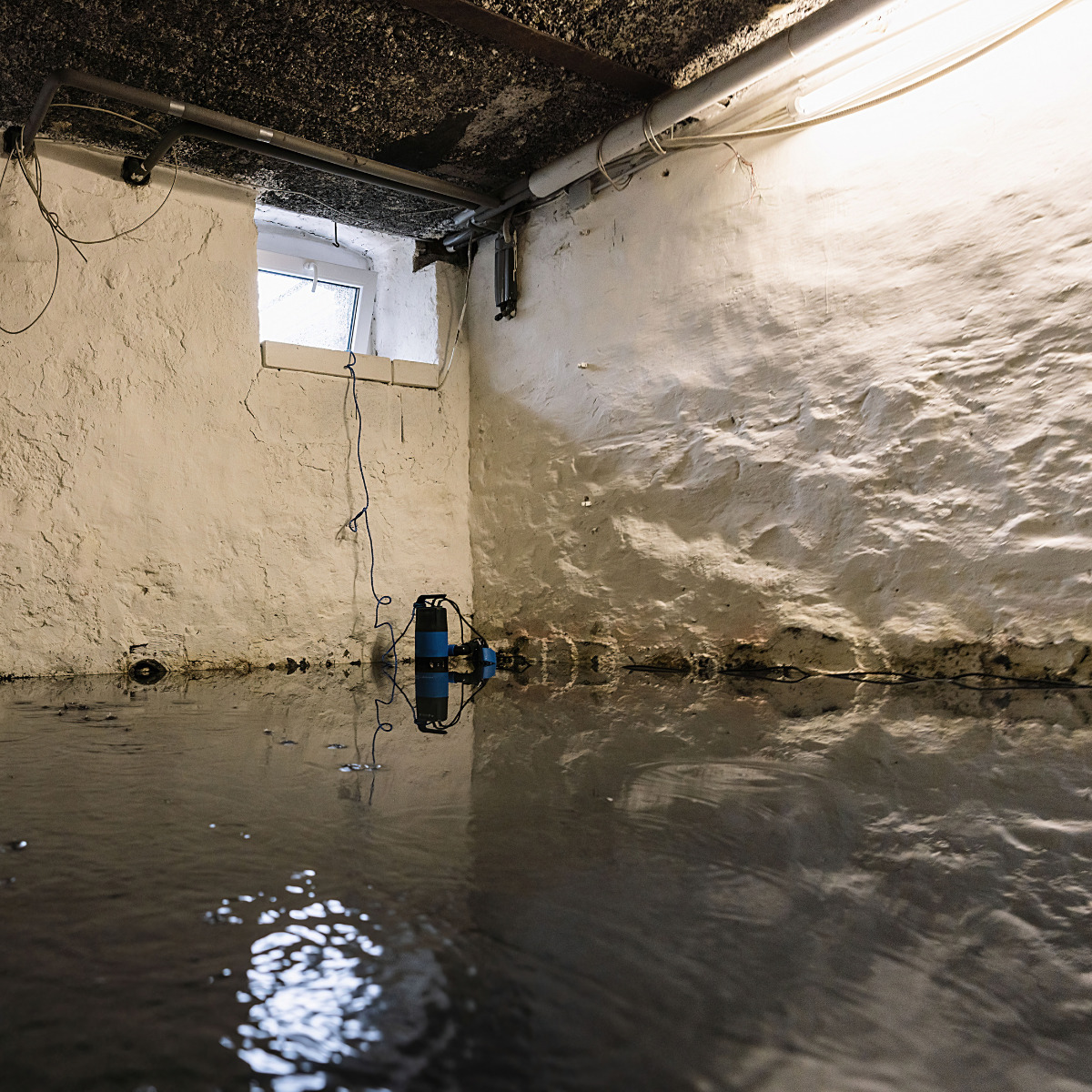
After Flooding Events in Melbourne: A Closer Look at Mold Encapsulation
Flooding is a familiar risk for Melbourne homeowners. Heavy rainstorms, tropical systems, and even prolonged seasonal moisture can introduce large amounts of water into homes — saturating walls, insulation, crawlspace areas, and lower structural materials.
When water infiltrates a property, the first priority is removing the standing water and drying visible surfaces. But even after that step, moisture may remain trapped inside structural materials, creating a perfect environment for mold to develop or return. Mold spores are everywhere and only need moisture, food (such as wood, drywall paper, or dust), and time to regrow. (Florida Department of Health)
This is where mold encapsulation becomes an important part of post-flood protection — after proper remediation has already addressed active mold and moisture sources.
What Mold Encapsulation Is — and Isn’t
Mold encapsulation is a process where a specialized sealant or coating is applied over cleaned and dried surfaces after mold remediation. The encapsulant bonds to structural components and helps trap any remaining microscopic spores, preventing them from becoming airborne or spreading. It essentially creates an additional protective layer over treated areas. (kosrestoration.com)
It’s important to understand what encapsulation does not do:
- It does not replace mold removal — active contamination must be cleaned first.
- It does not stop moisture from entering — controlling humidity and leaks is still essential.
- It does not replace dehumidification or structural dry-out — those steps must come first.
Encapsulation is most effective when used as the final finishing step after remediation and drying have been completed.
Why Encapsulation Matters After Flooding
After a flood, even walls that look dry on the surface can harbor moisture deep within wood framing, insulation, and lower wall cavities. Florida’s coastal humidity slows natural evaporation, allowing dampness to linger longer than many homeowners expect.
Mold needs moisture to grow — without it, spores remain dormant. But trapped dampness lets mold colonize again later, especially during periods of high indoor humidity. (Florida Department of Health)
Encapsulation helps protect cleaned surfaces in several ways:
➤ Seals Treated Surfaces
Encapsulants bond to materials like wood or drywall after they’ve been cleaned and dried, sealing in any residue and helping to prevent microscopic spores from becoming airborne again. (kosrestoration.com)
➤ Provides a Moisture-Resistant Barrier
While it doesn’t stop external water from entering, the encapsulating coating helps surfaces absorb less humidity if indoor moisture levels rise again — reducing the chance of future regrowth.
➤ Supports Indoor Air Quality
By locking contamination on treated surfaces, encapsulation can help keep airborne spores lower, especially during later projects like reconstruction or HVAC operation.
➤ Reinforces Long-Term Protection
Homes that have experienced flooding are inherently more vulnerable to recurring issues if moisture control isn’t complete. Encapsulation strengthens overall protection when paired with dehumidification and proper drying.
Where Encapsulation Is Often Applied After Flooding
Encapsulation may be considered in several scenarios after flooding and remediation, including:
- Crawlspaces — applying vapor barriers and sealing to keep soil moisture out
- Basement or lower walls — where water first contacted materials
- Framing and joists — structural lumber that was cleaned and dried
- Hard-to-access cavities — areas that were treated but not replaced
For example, crawlspace encapsulation with vapor barriers and integrated dehumidification dramatically reduces humidity levels and makes future mold growth less likely. (howellhealthyhomes.com)
Why Proper Sequence Matters
For mold encapsulation to be effective after flood events:
- Moisture sources must be stopped — leaks, drainage problems, or ongoing seepage must be corrected.
- Affected materials are cleaned or removed — visible mold and contaminated porous materials are addressed.
- Structural drying occurs — commercial dehumidifiers and air movement systems bring moisture levels down safely.
- Encapsulation is applied — only after all surfaces are dry and contamination is remediated.
Skipping or reversing these steps can trap moisture inside, potentially worsening conditions instead of protecting them.
The Bigger Picture in Melbourne’s Climate
Melbourne’s coastal environment means humidity stays high even when it’s not raining. After a flooding event:
- Moisture can hide inside walls and framing.
- Indoor humidity often remains elevated.
- Natural drying slows due to ambient moisture.
Encapsulation doesn’t replace moisture control, but it reinforces surfaces after moisture is gone and contamination has been addressed — reducing the risk that small residual dampness turns into a larger mold problem later.
A Practical Approach for Homeowners
If your Melbourne property was flooded and mold remediation has been completed, consider these questions before deciding on encapsulation:
- Was the source of moisture permanently resolved?
- Have building materials been fully dried and tested?
- Were contaminated materials properly removed or cleaned?
- Are humidity levels controlled long term (e.g., dehumidifiers or improved airflow)?
Encapsulation can be part of the long-term strategy, particularly in areas where moisture has been extensive or materials were cleaned rather than replaced.
Encapsulation helps seal and protect treated areas following a flood, but its effectiveness depends on careful moisture control and remediation work first.
