
After Flooding Events in Merritt Island: A Closer Look at Anti-Microbial Fogging
Flooding in Merritt Island is something many homeowners have faced at least once. Between tropical systems, heavy summer rains, and storm surge pushing inland from nearby waterways, it doesn’t take much for water to find its way inside.
Once the standing water is removed and the floors look dry, most people feel relieved. The immediate crisis seems over.
But what happens next inside the walls, under the flooring, and inside the HVAC system is what truly determines whether the property recovers properly.
One term that often comes up after flood events is anti-microbial fogging. Let’s take a closer look at what it really does, when it’s appropriate, and how it fits into proper flood response here in Merritt Island.
Understanding What Anti-Microbial Fogging Is
Anti-microbial fogging is a process that disperses a fine mist of EPA-registered antimicrobial solution throughout an affected space.
The fog is designed to:
- Reduce bacteria and fungal contamination
- Treat exposed surfaces
- Reach tight areas traditional wiping cannot
- Assist with odor control
The particles are small enough to travel into cracks, porous materials, and other hard-to-reach surfaces.
However, it’s important to understand something upfront.
Fogging is not a shortcut for mold removal. It’s one component of a complete moisture and remediation strategy.
Why Flooding in Merritt Island Creates Ongoing Risk
Merritt Island homes face unique environmental conditions that make post-flood contamination more likely:
- High year-round humidity
- Coastal air exposure
- High water tables
- Slab foundations
- Frequent air conditioning use
When floodwater enters a home, it doesn’t just sit on the surface. It soaks into:
- Drywall
- Insulation
- Baseboards
- Subfloor materials
- Cabinet backing
- Air handler systems
In Florida’s climate, materials do not dry naturally and quickly. Even when surfaces feel dry, moisture can remain trapped inside building cavities.
That trapped moisture becomes the ideal environment for microbial growth within 24 to 48 hours.
Signs Homeowners Notice After Flooding
Many Merritt Island property owners begin noticing subtle changes days or weeks after a flooding event.
Common signs include:
- Persistent musty odor
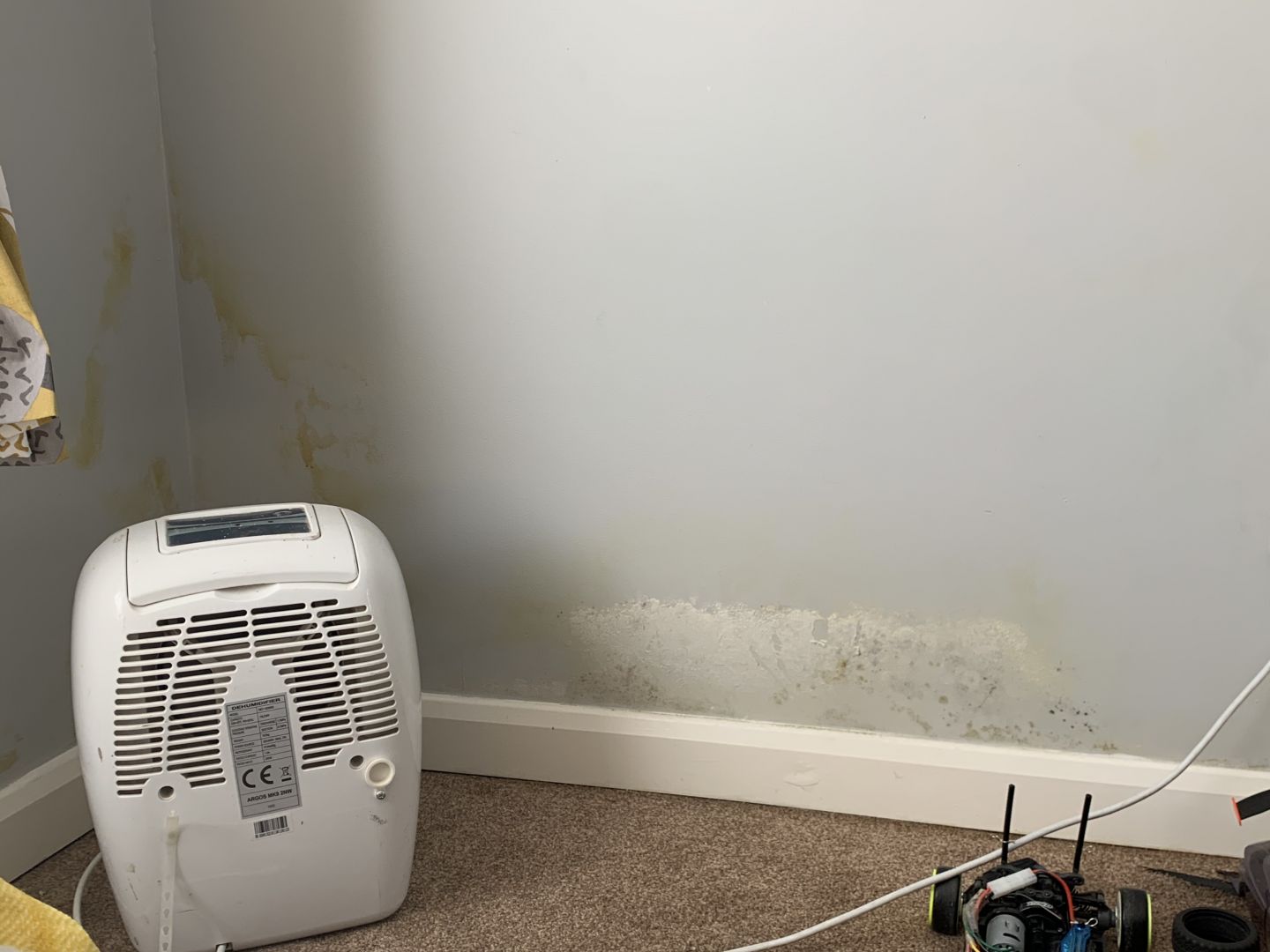
- Bubbling or peeling paint
- Warped baseboards
- Discoloration along lower walls
- Increased indoor humidity
- Air quality that feels heavy or stale
Because flood damage isn’t always dramatic, people sometimes underestimate the long-term impact.
The real issue is often hidden.
Where Microbial Growth Hides
After flooding, contamination commonly develops in concealed spaces:
- Behind drywall panels
- Inside insulation cavities
- Beneath vinyl plank or laminate flooring
- Inside HVAC ducts
- Around window framing
- In attic insulation
In Merritt Island homes that run AC systems most of the year, air circulation can move spores through ductwork quickly.
That’s why simply cleaning visible surfaces rarely solves the entire problem.
What Anti-Microbial Fogging Actually Accomplishes
When used properly, anti-microbial fogging can:
- Treat exposed structural surfaces
- Reduce microbial levels after removal work
- Help neutralize odors
- Add an extra layer of surface protection
It is most effective after saturated materials have been removed and the structure has been dried to appropriate moisture levels.
Fogging is not designed to:
- Penetrate deeply into intact drywall
- Replace removal of contaminated insulation
- Fix unresolved moisture sources
- Eliminate active mold colonies embedded in materials
If damaged drywall remains in place, fogging alone will not resolve the issue.
Why DIY Fogging Often Fails
Foggers are widely available, and online tutorials make the process look simple.
But improper application can create new problems.
Common DIY mistakes include:
- Fogging before materials are fully dried
- Skipping removal of contaminated drywall
- Using improper solutions
- Failing to isolate HVAC systems
- Oversaturating surfaces
Without moisture mapping tools, it’s impossible to know whether hidden areas are still wet.
Fogging wet materials can trap moisture inside walls and delay proper drying.
Professional evaluation ensures the treatment happens at the correct stage of the remediation process.
How Professional Flood Response Typically Works
In Merritt Island, proper post-flood remediation follows a clear sequence.
1. Visual Inspection
Assess the pattern of water intrusion and identify affected materials.
2. Moisture Detection
Use moisture meters and thermal imaging to locate hidden damp areas inside walls and flooring.
3. Structural Drying
Deploy commercial dehumidifiers and air movers to bring materials back to safe moisture levels.
4. Removal of Saturated Materials
Wet drywall, insulation, or subfloor materials may need to be removed to prevent long-term damage.
5. Containment (If Necessary)
Prevent cross-contamination to unaffected areas of the home.
6. Anti-Microbial Fogging
Once drying and removal are complete, fogging is applied to treat exposed structural surfaces.
7. Air Scrubbing
HEPA filtration devices improve indoor air quality and remove airborne particles.
Each step supports the next.
Fogging works best as a finishing component — not a starting point.
Timing Is Critical in Florida
Merritt Island’s climate accelerates microbial growth.
Warm temperatures and elevated humidity levels create ideal conditions for contamination after a flood.
Delaying evaluation can result in:
- Widespread material damage
- Stronger odor development
- Increased remediation scope
- Extended repair timelines
Early assessment reduces long-term impact and keeps restoration manageable.
Special Considerations for Waterfront Properties
Many Merritt Island homes are near canals, rivers, or open water.
Floodwater in these areas may contain:
- Organic debris
- Bacteria
- Salt content
- Contaminants from neighboring runoff
Salt exposure can accelerate deterioration of metal fasteners and framing components.
That means post-flood evaluation must account for more than visible damage.
Comprehensive inspection ensures no structural areas are overlooked.
Preventing Future Post-Flood Issues
While storms can’t be prevented, moisture management can be improved.
Helpful steps for Merritt Island homeowners include:
- Maintaining proper attic ventilation
- Servicing HVAC systems regularly
- Installing supplemental dehumidification if needed
- Ensuring exterior drainage directs water away from foundations
- Scheduling post-storm inspections
- Monitoring indoor humidity levels (ideally below 55%)
Moisture control is ongoing in Florida. It’s not a one-time fix.
Routine evaluations after major weather events help identify concerns before they escalate.
Why Local Experience Matters
Flooding in Merritt Island is different from inland flooding elsewhere.
Coastal exposure, slab foundations, and constant AC usage create very specific conditions.
A local professional understands:
- How water migrates in slab homes
- How humidity behaves in coastal structures
- Common insulation materials used here
- Typical storm-related intrusion points
That familiarity leads to faster and more accurate diagnosis.
Inspections and More FL works throughout Merritt Island and surrounding areas, and that local experience plays an important role in proper flood response planning.
Not every property requires the same approach.
A Calm, Practical Next Step
If your Merritt Island home has experienced flooding — even minor water intrusion — a structured inspection is a smart move.
Anti-microbial fogging may be recommended.
It may not.
What matters most is identifying:
- Where moisture remains
- Whether materials need removal
- Whether air quality has been affected
- How to prevent recurring issues
Flood events are stressful enough. Clear information and a methodical response bring stability back to the situation.
When handled correctly, homes can recover safely and effectively.
