
After Flooding Events in Palm Bay: A Closer Look at Thermal Imaging Inspections
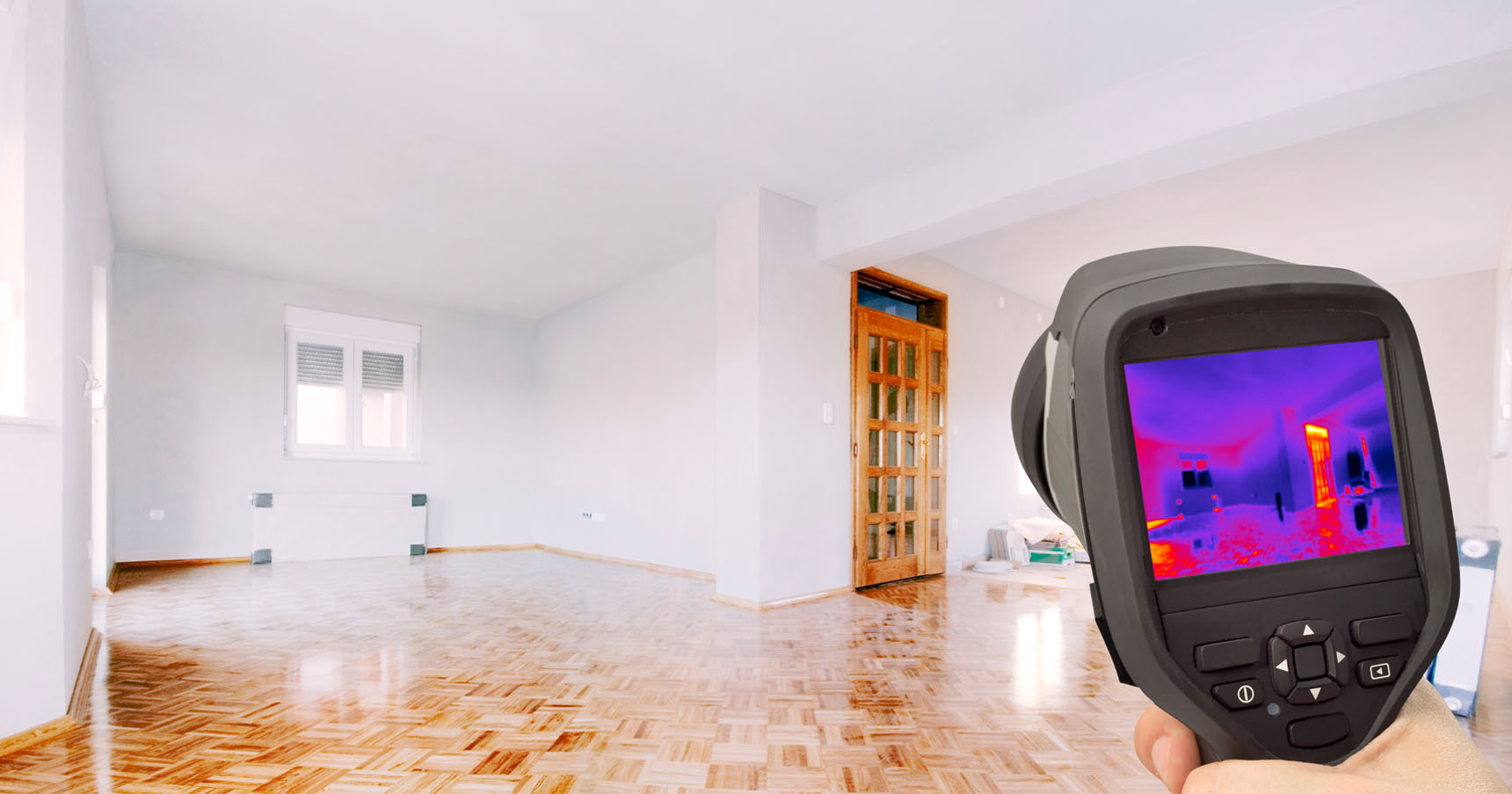
Flooding events in Palm Bay are not uncommon. Heavy summer rainstorms, tropical systems, hurricane bands, and overwhelmed drainage systems can all introduce water into homes quickly. Sometimes it’s several inches of visible water. Other times it’s shallow intrusion that seems manageable at first glance.
Once standing water is removed, many homeowners assume the worst is over.
But what you see on the surface rarely tells the full story.
After flooding, moisture often remains trapped inside walls, under flooring, and within structural materials. That’s where thermal imaging inspections become one of the most valuable tools in protecting Palm Bay homes long term.
Let’s take a closer look at how thermal imaging works — and why it matters after flood events in Florida.
What Happens to a Home After Flooding
When floodwater enters a home, it spreads rapidly across flooring and lower wall sections. Even if water levels appear shallow, it can:
- Soak into drywall
- Saturate insulation
- Travel along baseboards
- Wick upward through wood framing
- Absorb into slab foundations
In Palm Bay’s humid climate, materials do not dry quickly on their own. Even after visible water is extracted, hidden moisture often remains inside structural components.
The challenge is that this moisture is rarely visible.
Why Surface Inspections Aren’t Enough
After flooding, homeowners often look for obvious damage:
- Stains
- Warped flooring
- Peeling paint
- Soft drywall
However, by the time these symptoms appear, moisture may already have spread beyond the original flooded area.
Floodwater can travel behind walls, along framing channels, and into adjacent rooms. Simply checking the surface does not reveal what’s happening inside cavities.
Thermal imaging helps bridge that gap.
How Thermal Imaging Works
Thermal imaging cameras detect temperature differences on surfaces.
Moisture affects temperature because wet materials:
- Retain heat differently
- Cool more slowly
- Evaporate at varying rates
When a thermal camera scans a wall, ceiling, or floor, areas with hidden moisture often appear as cooler or inconsistent patterns compared to surrounding dry materials.
Thermal imaging does not see through walls. Instead, it detects temperature anomalies that indicate where further moisture testing should occur.
In Palm Bay homes, this allows for precise targeting of affected areas.
Why Thermal Imaging Is Especially Important in Palm Bay
Palm Bay’s environmental conditions increase the need for accurate moisture detection.
High Humidity
Outdoor air slows natural evaporation, allowing moisture to linger.
Slab Foundations
Many Palm Bay homes are slab-on-grade. Concrete can absorb and slowly release moisture.
Warm Temperatures
Heat accelerates moisture migration through building materials.
Frequent Storm Activity
Homes may experience repeated minor flood events over time.
Because of these factors, moisture often spreads beyond the obvious wet areas.
Thermal imaging helps identify the true scope of the damage.
What Thermal Imaging Can Reveal After Flooding
In Palm Bay homes, thermal inspections often uncover:
- Moisture behind lower drywall
- Damp insulation inside walls
- Wet subflooring beneath laminate or tile
- Water intrusion around window frames
- Hidden ceiling moisture in multi-story homes
- Damp slab edges near baseboards
Without thermal imaging, these areas might remain undetected until odors or visible deterioration develop.
The Role of Moisture Meters Alongside Thermal Imaging
Thermal imaging identifies potential problem areas. Moisture meters confirm the presence and extent of dampness.
A structured inspection typically involves:
- Visual assessment
- Thermal imaging scan
- Moisture meter verification
- Mapping affected zones
This approach ensures accuracy.
At Inspections and More FL, thermal imaging is used as part of a comprehensive post-flood evaluation throughout Palm Bay and surrounding communities.
Why Early Detection Matters
Floodwater introduces significant moisture quickly.
If trapped moisture is not identified early, homeowners may experience:
- Persistent musty odors
- Warped baseboards
- Recurring stains
- Elevated indoor humidity
- Structural deterioration
In Florida’s warm environment, moisture can spread silently behind walls long after floors appear dry.
Early detection shortens drying timelines and reduces long-term repair costs.
Common Mistakes After Flood Events
Rebuilding Too Quickly
Replacing drywall before verifying moisture levels can trap water inside walls.
Skipping Professional Evaluation
Visual inspection alone misses hidden dampness.
Relying Only on Household Fans
Room airflow does not dry interior cavities.
Assuming Small Floods Cause Small Problems
Even shallow water can wick upward and spread extensively.
Thermal imaging prevents guesswork.
How Thermal Imaging Supports Structural Drying
When hidden moisture is detected, drying efforts can be targeted precisely.
Instead of opening large wall sections unnecessarily, professionals can:
- Focus air movers where needed
- Install in-wall drying systems strategically
- Monitor drying progress accurately
- Confirm when materials return to safe levels
This controlled approach reduces disruption inside the home.
Preventing Long-Term Flood Damage in Palm Bay
After flood events, homeowners should:
Schedule Immediate Moisture Evaluation
Even if water appears minimal.
Monitor Indoor Humidity
Maintain levels between 45–55%.
Inspect Slab Edges and Baseboards
These areas are highly vulnerable.
Check Adjacent Rooms
Moisture often migrates beyond visible boundaries.
Conduct Post-Storm Inspections
Repeated flooding increases risk over time.
Routine evaluations throughout Palm Bay help prevent cumulative damage.
Why Local Experience Matters
Thermal imaging interpretation requires understanding how Florida materials behave.
Palm Bay homes face:
- Persistent humidity
- Slab construction
- Frequent heavy rain
- Warm temperatures year-round
Moisture readings must be interpreted within the context of these environmental conditions.
Local experience ensures that temperature variations are understood correctly and that drying efforts are not stopped prematurely.
A Calm, Practical Next Step
If your Palm Bay home has experienced flooding — even if cleanup has already occurred — scheduling a thermal imaging inspection is a proactive step.
An evaluation can determine:
- Whether hidden moisture remains
- If structural drying is needed
- Which areas require attention
- How to prevent long-term issues
Inspections and More FL works with homeowners throughout Palm Bay, Cocoa, Melbourne, Merritt Island, and Sanford to assess post-flood moisture using thermal imaging and structured detection methods tailored to Florida’s climate.
Floodwater may recede quickly. Hidden moisture does not. Thermal imaging ensures your home is truly dry — not just on the surface.
