
After Hidden Water Intrusion in Cocoa: A Closer Look at Air Scrubbing
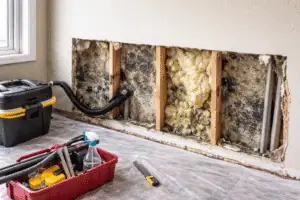
Cocoa homeowners often face the silent dangers of hidden water intrusion. Unlike obvious flooding or leaks, water that infiltrates walls, ceilings, crawl spaces, or attics can go unnoticed for days, weeks, or even months. This lingering moisture creates the perfect environment for mold growth, microbial activity, and structural degradation. While visible water can be removed quickly, hidden moisture requires professional intervention to protect both the home and its occupants.
One of the most effective tools for safeguarding indoor air quality and preventing microbial spread is air scrubbing. This process captures airborne contaminants and spores, ensuring that homes remain safe during remediation and long after hidden water is removed.
What the Issue Is
Hidden water intrusion is common in Cocoa, especially during Florida’s storm season or in older homes with aging plumbing systems. These unseen leaks can cause:
- Mold growth behind walls and under flooring – Moisture trapped in framing and drywall promotes spore colonization.
- Compromised indoor air quality – Airborne spores and microbial fragments circulate throughout the home.
- Structural damage – Prolonged moisture exposure weakens wood framing, subflooring, and insulation.
- Odor and humidity issues – Damp areas often produce musty smells and heavy air.
- Increased repair costs – Unaddressed moisture often leads to more extensive remediation later.
Even after visible water is removed, airborne spores and microscopic contaminants remain, making air scrubbing essential for comprehensive restoration.
Why This Happens So Often in Cocoa
Several local factors contribute to hidden water intrusion in Cocoa homes:
- Heavy tropical storms and rainfall – Flooding or leaks during storm season often infiltrate hidden areas.
- High humidity levels – Even minor water events can saturate materials that slowly release moisture.
- Aging plumbing and roof systems – Older homes may have compromised seals, pipes, or roof flashings.
- Slab foundations and crawl spaces – Limited access beneath floors traps moisture and promotes mold growth.
- AC condensation issues – HVAC systems can leak or create pockets of humidity in walls and ceilings.
These factors combine to make hidden water a frequent and insidious problem for Cocoa homeowners.
Common Signs Property Owners Notice
Homeowners often detect hidden water indirectly through subtle clues:
- Musty odors – Often the first indicator of mold or lingering moisture.
- Warped flooring or baseboards – Suggests water beneath the surface.
- Discolored walls or ceiling stains – Indicate moisture wicking through drywall or plaster.
- High indoor humidity readings – Hygrometers may show levels above 60%, conducive to microbial growth.
- Health irritations – Sneezing, coughing, or allergy flare-ups can suggest spores in the air.
- Pest activity – Damp environments attract insects and rodents.
Professional inspections often reveal additional hidden moisture and microbial colonies that are invisible to the homeowner.
Hidden or Overlooked Sources
Hidden water frequently accumulates in areas that homeowners cannot access:
- Wall cavities – Water wicking along studs may saturate drywall and insulation.
- Under flooring – Hardwood, laminate, or tile trap moisture between the surface and subfloor.
- Crawl spaces and basements – Standing water or trapped humidity slowly evaporates into the home.
- Attics and roof assemblies – Leaks or condensation collect in insulation or framing.
- HVAC ducts – Moisture inside ductwork can carry spores throughout the living space.
Without targeted remediation, these hidden areas continue to harbor mold and compromise indoor air quality.
Why DIY Methods Often Fail
Many homeowners attempt to manage hidden moisture themselves, but DIY solutions rarely work:
- Surface drying only – Fans or small dehumidifiers cannot reach behind walls or under flooring.
- Limited air filtration – Household filters cannot capture airborne spores or microbial fragments.
- Inconsistent airflow – Without industrial air movement, moisture pockets remain trapped.
- Spore spread – Cleaning without containment can distribute spores throughout the home.
- Unaddressed structural damage – Joists, subflooring, and insulation may continue to degrade.
Professional air scrubbing ensures complete containment, air purification, and safe drying, making it far more effective than DIY methods.
How Air Scrubbing Works
Air scrubbing is a critical step in moisture and mold remediation:
- HEPA filtration – High-efficiency filters capture mold spores, dust, and allergens from the air.
- Negative pressure containment – Isolates affected areas to prevent spores from spreading to other parts of the home.
- Continuous circulation – Industrial blowers and scrubbing units keep air moving, preventing stagnant moisture zones.
- Integration with drying equipment – Works alongside dehumidifiers and air movers for complete moisture removal.
- Monitoring and verification – Professionals measure particle counts and moisture levels to confirm efficacy.
This approach protects homeowners and workers, ensuring that remediation does not inadvertently worsen contamination.
How Air Scrubbing Protects Cocoa Properties
The benefits of professional air scrubbing are significant:
- Prevents spore migration – Airborne mold and microbial fragments are captured before spreading.
- Supports structural drying – Continuous airflow accelerates evaporation from walls, floors, and insulation.
- Maintains indoor air quality – Reduces allergens and microbial load throughout the home.
- Reduces long-term repair costs – Early removal of spores prevents recurring mold and structural deterioration.
- Protects sensitive areas – Crawl spaces, attics, and wall cavities receive targeted air movement.
- Peace of mind – Homeowners know the home is being restored safely and effectively.
In Cocoa, where humidity and storm-related water intrusion are common, air scrubbing is essential for safe, effective remediation.
Long-Term Protection Strategies
Homeowners can take several steps to prevent hidden water and microbial growth in the future:
- Routine inspections – Check for leaks in plumbing, roofs, and AC lines regularly.
- Dehumidification systems – Maintain indoor humidity below 60% to inhibit mold growth.
- Proper ventilation – Ensure crawl spaces, attics, and basements have adequate airflow.
- Seal vulnerable areas – Use vapor barriers and insulation to prevent moisture migration.
- Post-storm evaluations – Inspect homes promptly after flooding or heavy rain.
- Integrate air scrubbing when necessary – For any hidden moisture or microbial activity, targeted scrubbing prevents contamination.
These strategies, combined with professional air scrubbing, provide long-term protection for both property and occupants.
Why Local Florida Experience Matters
Cocoa homeowners benefit from professionals who understand local environmental factors:
- High humidity and frequent storms – Experts know where moisture tends to accumulate during storm season.
- Knowledge of Florida construction – Slab foundations, crawl spaces, and older homes require targeted solutions.
- Rapid post-water intrusion response – Early intervention prevents mold colonization and structural damage.
- Integrated remediation expertise – Air scrubbing, dehumidification, and mold encapsulation work together for complete protection.
Inspections and More FL leverages local experience and advanced technology to keep Cocoa homes safe from hidden water damage and microbial threats.
