
After Hidden Water Intrusion in Merritt Island: A Closer Look at Dehumidification
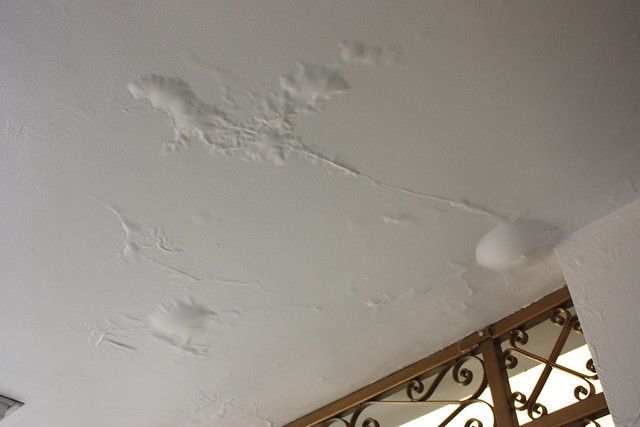
Hidden water intrusion is one of the most common — and most misunderstood — issues we see in Merritt Island homes. It doesn’t always come from a dramatic flood or obvious roof collapse. More often, it’s a slow leak, wind-driven rain, AC condensation, or minor storm damage that quietly introduces moisture into walls, ceilings, or flooring.
By the time homeowners notice a faint musty odor or subtle staining, the water has already traveled beyond the visible area.
In these situations, proper dehumidification becomes essential. Not just running a fan. Not just turning the AC lower. But a structured drying process that protects the structure of the home.
If you live in Merritt Island, Cocoa Beach, or anywhere in Brevard County, understanding why dehumidification matters after hidden water intrusion can prevent long-term structural and moisture-related problems.
What Hidden Water Intrusion Really Means
Hidden water intrusion occurs when moisture enters parts of the home that aren’t immediately visible.
Common causes in Merritt Island include:
- Wind-driven rain during storms
- Small roof flashing failures
- AC drain line backups
- Window seal deterioration
- Plumbing leaks inside walls
- Elevated humidity after hurricanes
Unlike obvious flooding, hidden intrusion may soak insulation, framing, and drywall backing without showing clear surface damage right away.
The structure absorbs moisture quietly — and Florida’s humidity slows natural drying.
Why Merritt Island Homes Are Especially Vulnerable
Merritt Island sits between the Indian River and the Banana River. That means elevated ambient humidity year-round.
Several local conditions increase vulnerability:
Coastal Humidity
Barrier island and near-coastal properties deal with constant moisture-rich air.
Salt Air Exposure
Salt accelerates the breakdown of seals, flashing, and metal components, allowing small intrusion points to develop.
Slab Construction
Many Merritt Island homes are built on slabs. Moisture can migrate through concrete, compounding hidden water issues.
Storm Frequency
Hurricanes and heavy summer storms increase roof and window vulnerability.
After even minor water intrusion, the structure doesn’t dry quickly on its own in this climate.
Why Dehumidification Is Critical After Hidden Water Intrusion
Once water enters walls, ceilings, or flooring, evaporation begins — but in Florida, it happens slowly.
Without active dehumidification:
- Wood framing stays damp
- Insulation holds moisture
- Drywall softens
- Humidity levels inside the home increase
As moisture evaporates from wet materials, it raises indoor humidity even further. That creates a cycle where drying stalls.
Professional dehumidification breaks that cycle.
Signs Hidden Moisture Is Still Present
In Merritt Island homes, homeowners may notice:
- Persistent musty odors
- Ceiling stains that slowly expand
- Peeling paint
- Warped baseboards
- Sticky indoor air
- AC running constantly
Sometimes there are no visible clues. Moisture meters often reveal elevated readings inside walls weeks after the original event.
The absence of dripping water does not mean the structure is dry.
Why DIY Drying Usually Falls Short
It’s common for homeowners to:
- Set up box fans
- Lower the thermostat
- Open windows
- Use small portable dehumidifiers
While these steps may help surface drying, they rarely remove moisture from inside structural materials.
Florida humidity makes natural evaporation inefficient.
Opening windows during humid weather can actually introduce more moisture.
True structural drying requires controlled airflow combined with commercial-grade dehumidification.
What Professional Dehumidification Involves
After hidden water intrusion, a structured drying plan typically includes:
Moisture Mapping
Thermal imaging and moisture meters identify where water has spread.
Targeted Airflow
High-velocity air movers are positioned to direct airflow across wet surfaces.
Commercial Dehumidifiers
Industrial units remove moisture from the air continuously, accelerating evaporation.
Controlled Demolition (If Necessary)
Wet insulation or drywall may be removed to allow access to wall cavities.
Daily Monitoring
Moisture readings are tracked to ensure drying progresses properly.
At Inspections and More FL, dehumidification in Merritt Island homes is approached methodically. The goal is to restore safe moisture levels — not just dry what’s visible.
The Relationship Between Dehumidification and Mold Prevention
Mold requires moisture to grow. After hidden intrusion, moisture can linger long enough to create favorable conditions.
Prompt dehumidification:
- Reduces the chance of microbial growth
- Stabilizes building materials
- Protects framing integrity
- Improves indoor air quality
In Brevard County’s climate, acting within the first 24–48 hours significantly reduces long-term complications.
Long-Term Risks of Skipping Proper Drying
When dehumidification is incomplete, homeowners may experience:
- Recurring odors
- Ceiling stains returning
- Hidden wall cavity moisture
- Insulation performance loss
- Elevated indoor humidity levels
In slab homes throughout Cocoa and Melbourne, lingering moisture can migrate into adjacent areas over time.
Roof repair or plumbing repair alone doesn’t remove trapped moisture. Drying the structure is what restores stability.
Preventing Future Hidden Water Issues
While not every storm can be prevented, preparation reduces risk.
Inspect Roof and Flashing Annually
Especially after hurricane season.
Maintain AC Drain Lines
Clogs are a leading cause of hidden wall moisture.
Check Attic Ventilation
Proper airflow reduces trapped humidity.
Monitor Indoor Humidity
Maintain levels between 45–55%.
Seal Windows and Exterior Gaps
Salt air accelerates seal breakdown in coastal areas.
Routine evaluations across Merritt Island and nearby Cocoa Beach often catch early signs before they escalate.
Why Local Experience in Merritt Island Matters
Dehumidification in Florida is not the same as in dry climates.
Merritt Island homes face:
- Constant coastal humidity
- Elevated water tables
- High attic temperatures
- Frequent storm exposure
- Slab construction
Understanding how moisture behaves in this environment allows for more accurate drying strategies.
Professionals familiar with Brevard County construction patterns can identify moisture pathways quickly and prevent secondary damage.
A Calm, Practical Next Step
If your Merritt Island home has experienced hidden water intrusion — even from a minor leak — evaluating moisture levels is a smart move.
A professional assessment can determine:
- Whether structural materials are still wet
- If full dehumidification is needed
- Whether insulation or drywall requires removal
- How to prevent secondary issues
Inspections and More FL works with homeowners throughout Merritt Island, Cocoa, Palm Bay, Melbourne, and Sanford to identify and address hidden moisture using structured, climate-specific methods.
Water intrusion may start quietly. Proper dehumidification ensures it doesn’t turn into a long-term problem.
