
After Plumbing Leaks in Palm Bay: A Closer Look at Dehumidification
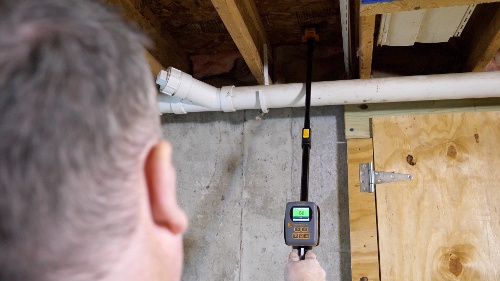
Plumbing leaks in Palm Bay don’t always start with a flood. Sometimes it’s a slow drip behind a wall. Other times it’s a supply line under a sink that fails while no one is home. Whether the leak is sudden or gradual, the real damage often continues long after the visible water is cleaned up.
In Florida’s humid climate, removing standing water isn’t enough. Moisture lingers inside drywall, insulation, baseboards, and subfloors. Without proper dehumidification, that trapped moisture can lead to mold growth, structural weakening, and persistent indoor humidity problems.
For homeowners and landlords in Palm Bay — as well as nearby Merritt Island, Cocoa, Melbourne, and Sanford — understanding the role of dehumidification after plumbing leaks is critical to protecting long-term property stability.
What Happens After a Plumbing Leak
When a pipe bursts or a connection fails, water quickly spreads beyond the immediate area. It seeps into:
- Drywall
- Insulation
- Wood framing
- Cabinet bases
- Flooring materials
- Subfloors
In slab foundation homes common throughout Palm Bay, water can also settle along the slab surface and migrate beneath flooring systems.
Even after visible water is extracted, building materials remain saturated. In Palm Bay’s high-humidity environment, natural drying is slow and incomplete.
That’s where controlled dehumidification becomes necessary.
Why Palm Bay’s Climate Complicates Drying
Palm Bay’s coastal-influenced humidity slows evaporation significantly. Outdoor humidity often remains elevated, especially during summer and hurricane season.
This creates two major challenges:
- Evaporated moisture stays suspended in the air
- Damp materials struggle to release moisture naturally
Without removing airborne moisture, wet materials remain saturated longer than they would in a drier climate.
Dehumidification actively extracts that moisture from the air, accelerating the drying process.
Signs Dehumidification Is Needed After a Leak
Even after visible cleanup, hidden moisture may still be present.
Common warning signs include:
- Persistent musty odors
- Warped or cupping floors
- Soft drywall near baseboards
- Peeling paint
- AC running constantly but indoor air still feeling damp
- Mold appearing weeks after the leak
Landlords in Palm Bay rental properties often notice odor complaints even after surface cleaning.
That usually indicates incomplete drying.
Why Surface Drying Isn’t Enough
Many homeowners use fans after a plumbing leak. While fans help circulate air, they do not remove moisture from it.
Fans alone:
- Push humid air around
- Increase evaporation without extraction
- Leave wall cavities damp
- Fail to reduce indoor humidity
Dehumidifiers work differently. They pull moisture from the air and collect it, lowering overall humidity levels.
Without dehumidification, moisture evaporated from wet materials can reabsorb into other areas of the home.
How Professional Dehumidification Works
The dehumidification process begins with moisture detection.
Professionals use:
- Moisture meters to measure drywall and wood saturation
- Hygrometers to assess indoor relative humidity
- Thermal imaging to locate hidden damp areas
- Visual inspection of affected materials
Once moisture levels are mapped, commercial-grade dehumidifiers are installed.
These systems:
- Continuously extract airborne moisture
- Lower indoor humidity to safe levels (45–55%)
- Support structural drying
- Reduce mold growth conditions
Air movers are often used alongside dehumidifiers to increase evaporation from wet surfaces.
The key is balance: airflow to release moisture and dehumidification to remove it.
Companies such as Inspections and More FL follow this systematic approach because guesswork leads to recurring problems in Florida’s climate.
The Risk of Ignoring Proper Dehumidification
If dehumidification is skipped or insufficient, long-term issues may develop:
- Mold growth behind drywall
- Subfloor deterioration
- Cabinet base swelling
- Odor retention
- Adhesive failure beneath flooring
- Increased indoor humidity levels
In Palm Bay homes, where ambient humidity is already elevated, untreated moisture can compound existing conditions.
Small leaks can turn into major remediation projects if drying isn’t thorough.
Special Considerations in Slab Foundation Homes
Many Palm Bay properties are built on slab foundations. After plumbing leaks, moisture can spread across the slab surface and beneath flooring systems.
Without proper dehumidification:
- Moisture may remain trapped under tile
- Hardwood flooring can cup or buckle
- Laminate adhesives can fail
- Mold may develop under flooring materials
Subfloor drying systems and dehumidifiers often work together to ensure moisture levels return to baseline.
Monitoring moisture readings throughout the process confirms that drying is complete.
Preventing Mold After Plumbing Leaks
Mold can begin developing within 24–72 hours in warm, humid conditions.
Dehumidification reduces this risk by:
- Lowering humidity levels quickly
- Shortening drying time
- Reducing surface condensation
- Supporting structural drying
Acting promptly after a plumbing leak is the most effective way to avoid mold remediation later.
Early moisture control protects structural materials and indoor air quality.
Long-Term Moisture Control in Palm Bay Homes
After drying is complete, prevention should be part of the plan.
Homeowners can:
- Inspect plumbing connections regularly
- Replace aging supply lines
- Monitor indoor humidity
- Service HVAC systems annually
- Check slab edges and baseboards for subtle changes
- Schedule post-leak moisture evaluations
In coastal Florida, proactive moisture management is essential.
Humidity is constant. Managing it prevents repeated damage.
Why Local Experience Matters
Drying a home after plumbing leaks in Palm Bay requires understanding regional climate conditions.
Local professionals recognize:
- How coastal humidity affects evaporation
- Slab moisture migration patterns
- HVAC dehumidification challenges
- Common plumbing configurations in Palm Bay homes
- Construction styles in Cocoa, Melbourne, and Merritt Island
That experience ensures dehumidification systems are sized and positioned correctly for Florida’s environment.
Without local knowledge, drying may appear complete while hidden moisture remains.
A Practical Next Step
If your Palm Bay home has experienced a plumbing leak — even a minor one — evaluating moisture levels and implementing proper dehumidification is a wise step.
Removing visible water is only part of the solution. Controlling humidity and ensuring structural materials are fully dry protects your property from long-term damage.
In Florida’s humid coastal climate, especially in Palm Bay and surrounding communities, dehumidification is not optional after water intrusion — it’s essential for lasting protection.
