
After Roof Failures in Palm Bay: A Closer Look at Air Blower Installation
Roof failures in Palm Bay homes are a common occurrence, particularly during Florida’s storm season and heavy rain events. While obvious water stains and ceiling leaks are the most visible signs, hidden water intrusion in attics, crawl spaces, and subflooring often goes unnoticed until it causes serious structural or indoor air quality problems.
One of the most effective tools for addressing these challenges is air blower installation, also known as structural drying. Air blowers work alongside dehumidifiers to rapidly remove moisture, prevent mold growth, and restore a home’s structural integrity. Understanding the role of air blowers, the installation process, and the challenges specific to Palm Bay homes is essential for homeowners, property managers, and landlords.
Why Palm Bay Homes Are Vulnerable After Roof Failures
1. Heavy Rain and Storm Damage
- Palm Bay’s location along the Atlantic coast exposes homes to frequent heavy rainfall and hurricanes.
- Roof leaks may allow water to penetrate into attics, insulation, and ceilings, creating hidden wet areas.
2. Aging Construction
- Older homes may have worn roofing materials, compromised flashing, or weakened underlayment, increasing the risk of leaks.
- Water infiltration may go unnoticed until structural damage or mold develops.
3. High Humidity
- Coastal humidity keeps indoor materials damp even without visible water intrusion.
- Saturated wood and insulation are more prone to rot and mold growth, especially after roof failures.
4. HVAC and Ventilation Issues
- Condensation from air conditioning ducts can compound moisture problems.
- Poor attic or crawl space ventilation slows drying and allows water to accumulate in hard-to-reach areas.
How Air Blower Installation Protects Properties
Air blowers, or industrial air movers, are designed to circulate air and accelerate evaporation in water-affected areas. When combined with dehumidifiers, they are critical in post-roof failure recovery.
1. Accelerated Drying
- Air blowers increase airflow across wet surfaces, accelerating evaporation from ceilings, walls, and subfloors.
- Faster drying reduces the risk of wood rot, mold growth, and insulation damage.
2. Targeted Moisture Removal
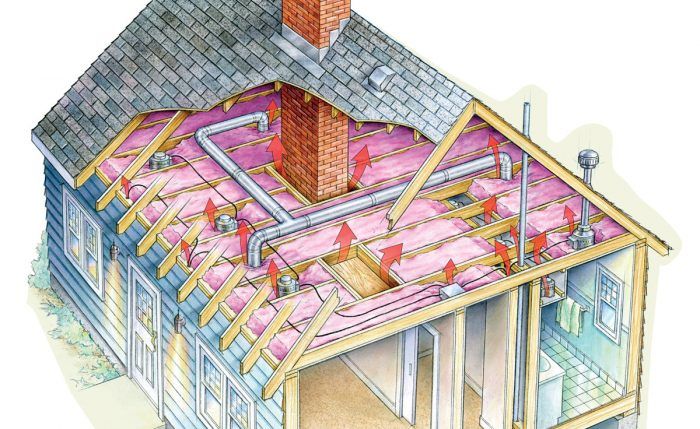
- Blowers can be strategically placed in attics, crawl spaces, and behind walls to reach areas where water has traveled beyond visible damage.
- Thermal imaging and moisture meters guide placement, ensuring hidden moisture pockets are addressed.
3. Mold Prevention
- By removing moisture quickly, air blowers eliminate one of the key conditions necessary for mold colonization.
- Air scrubbing or anti-microbial fogging can complement blower use to further protect indoor air quality.
4. Structural Preservation
- Prolonged moisture exposure weakens roof trusses, ceiling joists, and subflooring.
- Timely air blower installation helps maintain structural integrity, preventing costly repairs.
5. Cost Efficiency
- Focused drying reduces the need for demolition, insulation replacement, or major repairs.
- Effective moisture management after roof failures can save homeowners thousands in long-term costs.
Step-by-Step Air Blower Installation Process
Step 1: Initial Assessment
- Conduct a visual inspection of ceilings, walls, attics, and crawl spaces.
- Use moisture meters and thermal imaging to locate hidden water.
Step 2: Equipment Selection
- Choose air blowers based on area size, moisture severity, and accessibility.
- High-capacity industrial units are often required for attics and larger spaces.
Step 3: Strategic Placement
- Position air blowers to maximize airflow over wet areas.
- Combine with dehumidifiers to capture moisture-laden air and prevent secondary condensation.
Step 4: Controlled Drying
- Monitor moisture levels continuously using meters and sensors.
- Adjust blower speed, direction, and placement as needed for even drying.
Step 5: Verification
- Confirm moisture levels are within safe limits using meters.
- Repeat thermal scans to ensure hidden water has been addressed.
Step 6: Preventive Recommendations
- Advise homeowners on attic ventilation improvements, roof inspections, and ongoing moisture monitoring.
- Air blower installation may be followed by dehumidifier operation during high-humidity periods for ongoing protection.
Challenges Specific to Palm Bay Properties
- Low-Clearance Attics – Placement of air movers can be difficult in confined spaces.
- High Humidity – Coastal moisture may slow evaporation and require longer blower cycles.
- Hidden Moisture Pockets – Water may migrate into inaccessible areas behind insulation or walls.
- Storm Debris – Leaves, branches, or damaged roofing can obstruct airflow.
- Aging Materials – Older wood, insulation, or roofing materials retain water longer, demanding careful monitoring.
Signs That Air Blower Installation Is Necessary
- Musty odors in attics or rooms
- Water stains or sagging ceilings
- Warped, soft, or cupped flooring
- Visible mold growth behind walls or in insulation
- Persistent indoor humidity despite AC operation
Prompt intervention with air blowers can prevent secondary damage and reduce long-term repair costs.
Long-Term Benefits of Air Blower Use
- Structural Integrity – Protects roof trusses, ceiling joists, and subflooring from prolonged water exposure.
- Mold Prevention – Reduces health risks and indoor air quality issues.
- Energy Efficiency – Helps insulation regain performance for better indoor comfort.
- Cost Savings – Minimizes unnecessary repair and material replacement.
- Storm Resilience – Prepares homes for future heavy rain or minor roof damage.
Complementary Measures for Palm Bay Homeowners
- Routine roof and gutter inspections after storms
- Attic and crawl space moisture monitoring
- Dehumidifier installation in high-humidity areas
- Thermal imaging inspections for early detection of water intrusion
- Structural dryouts for areas with significant water penetration
Professional Expertise Matters
Local experts, such as Inspections and More FL, offer:
- Strategic air blower placement informed by storm patterns and building construction
- Integration with moisture meters, thermal imaging, and dehumidifiers
- Guidance for structural dryouts, mold prevention, and long-term maintenance
- Knowledge of Palm Bay-specific weather risks, coastal humidity, and common construction vulnerabilities
Professional installation ensures that air blowers are used safely, effectively, and efficiently, maximizing protection against post-storm damage.
Conclusion
Roof failures in Palm Bay homes create hidden moisture problems that threaten structural integrity, insulation, and indoor air quality. Air blower installation is a critical step in post-storm recovery, enabling:
- Rapid drying of attics, crawl spaces, and subfloors
- Prevention of mold growth and musty odors
- Preservation of wood framing, insulation, and ceilings
- Cost-effective protection against long-term damage
By combining professional assessment, strategic blower placement, and continuous monitoring, homeowners can restore their properties safely and efficiently, ensuring dry, healthy, and resilient homes even in Florida’s coastal storm-prone environment.
