
After Roof Failures in Sanford: A Closer Look at Air Blower Installation
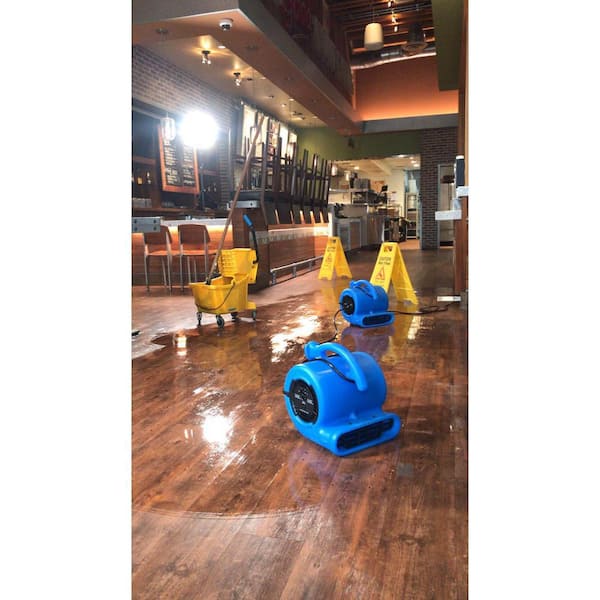
Roof failures in Sanford rarely happen in isolation. They usually follow heavy rain, strong wind events, or prolonged storm systems that push roofing materials beyond their limits. Sometimes the damage is obvious — missing shingles or visible ceiling stains. Other times, the failure is subtle, allowing water to seep into attic insulation, wall cavities, and flooring before anyone notices.
After a roof failure, moisture doesn’t just sit on the surface. It travels. It spreads through insulation, saturates drywall, and settles into framing. In Florida’s humid climate, that trapped moisture becomes a serious concern quickly.
That’s where air blower installation becomes a key part of the drying and recovery process.
But installing air blowers after roof damage in Sanford requires more than simply placing equipment in a room. It demands a structured approach, careful assessment, and a full understanding of Florida’s moisture patterns.
Let’s take a closer look.
What Happens Inside a Home After Roof Failure
When roofing materials fail, water typically enters through:
- Damaged shingles
- Compromised flashing
- Ridge vent gaps
- Soffit openings
- Nail penetrations
In Sanford’s storm season, wind-driven rain can push water sideways beneath shingles and into attic spaces.
Once inside, water often:
- Soaks attic insulation
- Drips into wall cavities
- Spreads across ceiling drywall
- Travels along framing
- Reaches flooring below
Even small roof failures can affect multiple areas of a home.
And because Sanford experiences extended periods of high humidity, moisture doesn’t evaporate naturally.
Why Natural Drying Doesn’t Work in Sanford
In drier climates, opening windows and allowing cross-ventilation might help after a roof leak.
In Sanford, that approach often makes things worse.
Outdoor humidity levels during and after storms frequently remain above 70–80%. Opening windows introduces more moisture into the home.
Additionally:
- AC systems may struggle to remove excess humidity
- Attic air can remain stagnant
- Insulation traps moisture
- Drywall absorbs water
Without mechanical airflow, moisture lingers in structural materials.
What Air Blower Installation Is Designed to Do
Air blowers — often called air movers — increase air circulation across damp surfaces.
After roof failures, they help:
- Accelerate evaporation from ceilings and walls
- Dry framing and subfloor materials
- Reduce moisture trapped in insulation cavities
- Prevent stagnant air pockets
- Support dehumidification systems
Air movement is essential because evaporation requires airflow.
But installation must be strategic.
Step 1: Moisture Assessment Before Installation
Before placing air blowers, a complete moisture evaluation is necessary.
Professionals assess:
- Moisture content in drywall and ceilings
- Attic insulation saturation
- Framing moisture levels
- Indoor humidity readings
- HVAC system impact
- Extent of roof penetration
Thermal imaging often reveals hidden moisture behind ceiling surfaces or inside walls.
Without this assessment, airflow placement becomes guesswork.
Step 2: Addressing the Roof Issue First
Air blowers cannot solve active intrusion.
Before drying begins, roofing repairs or temporary tarping must stop additional water entry.
If roof damage remains uncorrected:
- New moisture will re-enter
- Drying efforts will stall
- Mold risk will increase
Source correction is the foundation of successful airflow installation.
Step 3: Strategic Air Blower Placement
Proper placement determines drying efficiency.
After roof failures in Sanford homes, air blowers are typically positioned to:
- Direct airflow across ceiling surfaces
- Circulate air along affected walls
- Target damp flooring areas
- Support attic airflow when accessible
In attic spaces, airflow must move across saturated insulation and framing, not just into open air.
Placing a blower in the center of a room without targeting damp materials reduces effectiveness.
Each affected zone requires tailored positioning.
Step 4: Combining Air Blowers With Dehumidification
Air blowers increase evaporation, but evaporation releases moisture into the air.
If dehumidifiers are not operating alongside air movers, humidity levels may spike.
In Sanford’s humid climate, this balance is critical.
Professional setups typically include:
- High-capacity air blowers
- Industrial-grade dehumidifiers
- Continuous humidity monitoring
This ensures moisture leaves the structure instead of circulating inside it.
Step 5: Monitoring the Drying Process
Roof failures often affect hidden areas. Drying must continue until all structural materials reach safe moisture levels.
Technicians monitor:
- Relative humidity
- Drywall moisture content
- Framing readings
- Attic insulation conditions
Removing equipment too early leaves moisture trapped inside structural cavities.
Extended monitoring prevents long-term problems.
Areas Commonly Overlooked After Roof Leaks
In Sanford homes, roof-related moisture often affects:
Attics
Insulation absorbs water and holds it. Without airflow, mold risk increases quickly.
Wall Cavities
Water travels downward through framing, wetting insulation and drywall behind paint.
Ceiling Corners
Moisture collects near exterior walls where airflow is limited.
Flooring Beneath Drip Points
Water may drip from ceilings and pool on flooring, soaking into subfloors.
Airflow strategies must consider every affected zone.
Common Mistakes Homeowners Make
After roof failures, we often see homeowners:
- Use small household fans instead of high-capacity air movers
- Skip dehumidification
- Focus only on visible wet areas
- Remove equipment too soon
- Ignore attic moisture
These mistakes allow hidden moisture to remain, increasing the risk of mold growth and structural weakening.
How Proper Air Blower Installation Protects the Property
When installed correctly, air blowers help:
- Reduce mold risk
- Preserve framing integrity
- Prevent ceiling sagging
- Protect subfloors
- Stabilize indoor humidity
- Limit long-term repair costs
Storm-related roof failures can escalate quickly if moisture spreads unchecked.
Structured airflow installation stabilizes the property before secondary damage develops.
Companies like Inspections and More FL approach roof-related drying with a full moisture management strategy because Florida homes require precision.
Why Local Experience Matters in Sanford
Sanford’s weather patterns create specific challenges:
- Extended humid periods
- Sudden heavy rainfall
- Temperature fluctuations
- High groundwater levels
Local professionals understand:
- How Florida attic systems respond to wind-driven rain
- How slab foundations react to prolonged moisture
- How AC systems behave during high humidity
- How quickly mold can develop in warm climates
Without that regional understanding, airflow efforts may miss critical areas.
Preventing Future Roof-Related Moisture Problems
After roof repair and drying, homeowners can reduce future risk by:
- Scheduling regular roof inspections
- Checking flashing and ridge vents annually
- Cleaning gutters before storm season
- Monitoring attic humidity
- Maintaining proper ventilation
- Evaluating ceilings after heavy rain
Routine inspections help catch small failures before they lead to widespread moisture issues.
A Practical Next Step
If your Sanford home experienced a roof failure — even a minor one — and indoor humidity feels elevated or materials show signs of moisture stress, a professional evaluation can determine whether air blower installation is necessary.
With proper assessment, strategic placement, and coordinated dehumidification, airflow solutions protect homes from the hidden damage that often follows roof leaks in Florida’s humid climate.
