
Air Blower Installation in Melbourne During Storm Season: When to Schedule an Evaluation
Storm season in Melbourne has a pattern.
Afternoon skies darken quickly. Heavy rain moves in from the coast. Wind pushes water sideways against roofs and exterior walls. Then the storm clears — but the humidity stays.
For many homeowners, the first reaction after discovering water intrusion is to bring in air blowers and start drying immediately.
Air movers are powerful tools. But in Melbourne’s humid coastal climate, installing them at the wrong time — or for the wrong reason — can complicate recovery instead of improving it.
Knowing when to schedule a professional evaluation before installing air blowers is what protects your property long-term.
Why Storm Season in Melbourne Creates Hidden Moisture Problems
Melbourne homes deal with:
• Wind-driven rain
• Coastal humidity that lingers after storms
• Salt-laden air exposure
• High attic temperatures
• Elevated groundwater during prolonged rain
Even minor roof gaps, flashing issues, or window seal failures can allow moisture inside.
Water rarely stays where it enters.
It can travel:
• Down wall studs
• Across ceiling cavities
• Beneath flooring
• Into crawl spaces
• Along slab expansion joints
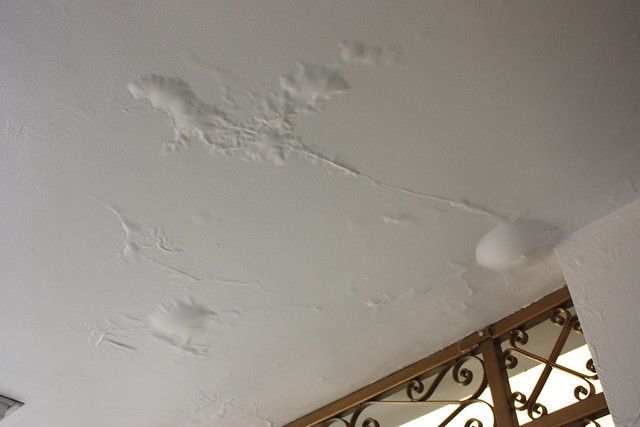
By the time visible staining appears, moisture may already be widespread.
That’s why evaluation often comes before equipment installation.
What Air Blowers Actually Do
Air blowers — often called air movers — increase airflow across damp materials.
They help:
• Speed up evaporation
• Circulate air across wet surfaces
• Support structural drying
• Reduce overall drying time
But they do not remove moisture from the air.
In storm-season conditions, Melbourne’s humidity is already elevated. Evaporation alone can increase indoor humidity even further.
That’s why air movers must be paired with dehumidifiers — and installed based on confirmed moisture mapping.
When to Schedule an Evaluation Before Installing Air Blowers
Homeowners should consider scheduling an evaluation first when:
1. The Source of Water Is Unclear
If you’re unsure whether moisture entered from the roof, windows, plumbing, or slab foundation, guessing at drying locations may miss hidden areas.
Thermal imaging and moisture meters help identify the true spread.
2. There Is No Visible Standing Water
Hidden water intrusion often leaves no puddles.
If dampness is suspected behind walls or under flooring, targeted drying is more effective than placing air movers randomly.
3. Musty Odors Appear After Storms
Odors often indicate elevated moisture inside wall cavities or crawl spaces.
Air blowers alone won’t solve the issue if microbial growth has already started.
Evaluation determines whether containment or remediation is necessary first.
4. HVAC Systems May Be Involved
Storm-season humidity increases AC condensation.
If ducts or air handlers are contributing to moisture, installing air movers without addressing HVAC issues can circulate humid air throughout the home.
Inspection clarifies whether mechanical repairs are required before drying.
5. Crawl Spaces Are Present
In Melbourne homes with crawl spaces, saturated soil raises humidity beneath the structure.
If crawl spaces remain damp, interior air blower installation won’t fully resolve the problem.
Crawl space evaluation may be necessary first.
Why Timing Matters in Florida’s Climate
In warm, humid environments like Melbourne, mold growth can begin within 24 to 48 hours on damp materials.
Waiting too long to dry increases risk.
But starting drying without identifying the full moisture path can:
• Spread contaminants
• Increase indoor humidity
• Miss hidden damp areas
• Require repeat drying later
A short delay for proper evaluation often prevents longer recovery later.
What a Professional Evaluation Typically Includes
A structured evaluation may involve:
• Thermal imaging scans
• Pin and pinless moisture meter readings
• Attic inspection
• Crawl space assessment
• Slab moisture testing when needed
• HVAC evaluation
The goal is to determine:
• How far moisture has traveled
• Which materials are affected
• Whether containment is needed
• Where air movers should be placed
• Whether dehumidification is required
Companies like Inspections and More FL use moisture mapping to guide equipment placement and drying strategy.
Precision improves outcomes.
Common Mistakes Without Evaluation
When homeowners skip inspection and install air movers immediately, they often:
• Place units in the wrong locations
• Fail to use dehumidifiers
• Stop drying too early
• Ignore hidden wall cavities
• Overlook attic or crawl space moisture
Surfaces may feel dry while internal framing remains damp.
That residual moisture can lead to mold growth weeks later.
What to Expect During Proper Drying
When air blowers are installed after evaluation, property owners can expect:
• Strategic placement based on moisture mapping
• Dehumidifiers operating simultaneously
• Continuous airflow for several days
• Periodic moisture readings
• Gradual reduction in indoor humidity
Drying continues until materials reach safe moisture thresholds.
Verification protects structural integrity.
Preventing Future Storm-Season Issues
Melbourne homeowners can reduce the need for emergency drying by:
• Inspecting roofs before storm season
• Cleaning gutters and drainage systems
• Sealing exterior penetrations
• Monitoring indoor humidity
• Servicing HVAC systems regularly
• Scheduling post-storm inspections
Storm exposure is predictable.
Moisture spread doesn’t have to be.
Why Local Experience Matters in Melbourne
Moisture behavior in Melbourne differs from inland Sanford and even nearby Palm Bay.
Coastal wind patterns, salt exposure, and high humidity cycles influence how water enters and spreads.
Professionals familiar with:
• Local construction styles
• Attic ventilation systems
• Slab and crawl space designs
• Seasonal storm intensity
can design drying strategies that work in this specific climate.
Localized knowledge prevents both overuse and underuse of equipment.
A Practical Next Step
If your Melbourne home has experienced water intrusion during storm season, consider scheduling a moisture evaluation before installing air blowers.
Air movers are effective tools — but only when placed correctly and paired with dehumidification.
In Florida’s humid environment, controlled drying protects your home more effectively than rushed airflow.
Storms pass quickly.
Hidden moisture does not.
Taking a measured approach ensures that drying addresses the real problem — not just the visible symptoms.
