
Air Blower Installation in Merritt Island During Extreme Humidity: How Professionals Approach the Issue
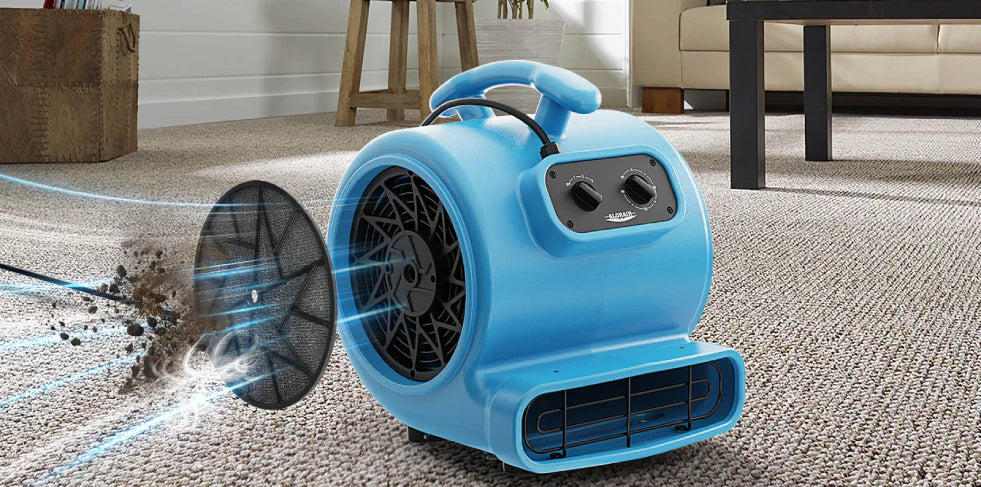
Extreme humidity in Merritt Island isn’t seasonal — it’s expected. Between the Indian River, the Banana River, and constant coastal moisture, humidity levels stay elevated most of the year. Add summer storms or hurricane season, and indoor air can quickly feel heavy and stagnant.
When indoor humidity remains high for extended periods, air movement becomes critical. That’s when air blower installation enters the conversation — not as a quick fix, but as part of a carefully planned moisture-control strategy.
Let’s take a closer look at how professionals approach air blower installation in Merritt Island during extreme humidity, and why proper planning matters.
Why Extreme Humidity Is a Structural Concern
Humidity affects more than comfort.
When indoor relative humidity consistently exceeds 60%, structural materials begin absorbing moisture. In Merritt Island homes, this can impact:
- Wooden floor joists
- Roof decking
- Wall framing
- Insulation
- HVAC ductwork
Persistent humidity can also increase condensation on cooler surfaces, especially in attics and crawl spaces.
Air stagnation makes the problem worse.
Without adequate airflow, moisture pockets form in enclosed areas, creating conditions that can lead to recurring dampness or microbial growth.
Why Passive Ventilation Often Fails in Coastal Homes
Many older Merritt Island homes rely on passive ventilation — foundation vents, attic vents, or small exhaust openings.
In dry climates, passive ventilation may help remove moisture.
In coastal Florida, it often introduces more humidity instead of removing it.
When warm, humid air enters a cooler crawl space or attic, condensation forms. Instead of drying materials, passive airflow can make them wetter.
That’s why professionals often recommend controlled airflow rather than open vents.
Step 1: Evaluate the Entire Moisture Environment
Before installing any air blower, professionals begin with a full moisture assessment.
This typically includes:
- Measuring indoor humidity levels
- Checking crawl space conditions
- Inspecting attic ventilation
- Using moisture meters on structural materials
- Evaluating slab moisture (if applicable)
The goal is to determine whether airflow alone will help — or whether dehumidification and other corrections are also necessary.
In Merritt Island, humidity rarely comes from just one source.
Step 2: Identify the Primary Moisture Zones
Air blower installation depends on where moisture accumulates most.
In Merritt Island homes, common high-humidity zones include:
Crawl Spaces
High water tables and saturated soil increase humidity beneath the home.
Attics
Salt-heavy air and poor ventilation trap moisture under roof decking.
Enclosed Garages
Especially when air handlers are installed there.
Utility Closets
Where HVAC systems produce condensation.
Professionals identify the zones that need controlled airflow rather than simply adding equipment randomly.
Step 3: Determine Airflow Direction and Purpose
Air blowers are not just fans.
They are installed to either:
- Exhaust humid air outward
- Circulate air evenly across damp surfaces
- Support dehumidification systems
- Prevent stagnant air pockets
Proper airflow direction is critical.
For example:
- In crawl spaces, airflow may be directed toward a designated exhaust path.
- In attics, blowers may support cross-ventilation to reduce condensation buildup.
Improper airflow placement can redistribute moisture instead of solving the issue.
Step 4: Coordinate With Dehumidification
In extreme humidity, airflow alone is rarely sufficient.
Blowers move air.
Dehumidifiers remove moisture from that air.
In Merritt Island’s climate, professionals often pair:
- High-velocity air movers
- Crawl space ventilation blowers
- Commercial dehumidifiers
This combination ensures that moisture evaporating from surfaces doesn’t simply remain inside the structure.
Without dehumidification, air blowers may circulate humid air without lowering overall moisture levels.
Step 5: Monitor Humidity and Moisture Levels
After installation, monitoring becomes essential.
Professionals track:
- Indoor relative humidity
- Crawl space humidity
- Surface moisture readings
- Temperature changes
Extreme humidity can fluctuate daily in Merritt Island. Monitoring ensures that airflow adjustments remain effective over time.
Equipment may need repositioning or recalibration depending on seasonal changes.
Why DIY Airflow Solutions Often Fail
Homeowners sometimes install small fans or leave vents open, hoping to improve airflow.
But in coastal Florida:
- Outdoor air is often just as humid as indoor air.
- Random airflow can increase condensation.
- Small fans lack sufficient air exchange capacity.
- Poor placement fails to target problem areas.
Professional air blower systems are selected based on:
- Air exchange rates
- Square footage
- Humidity levels
- Structural design
In extreme humidity, airflow must be controlled — not improvised.
Crawl Space Focus: A Common Merritt Island Challenge
Many Merritt Island homes have crawl spaces, especially older or waterfront properties.
During extreme humidity:
- Soil moisture rises
- Humid air becomes trapped beneath the home
- Wooden joists absorb moisture
- Ductwork develops condensation
Air blower installation in crawl spaces helps prevent stagnant humidity from transferring upward into living areas.
Without airflow control, damp conditions beneath the home often affect indoor comfort.
Attic Airflow and Coastal Conditions
Attics in coastal homes face a different challenge.
Salt-heavy air entering through vents can increase humidity under the roof deck.
Extreme heat combined with humidity creates condensation cycles on roof decking and rafters.
Air blowers installed in attics help:
- Improve cross-ventilation
- Reduce moisture buildup
- Protect insulation
- Stabilize roof structure moisture levels
Proper attic airflow reduces long-term structural stress.
Why Local Experience Matters in Merritt Island
Coastal properties behave differently than inland homes.
Local professionals understand:
- How tidal patterns influence crawl space moisture
- How salt air accelerates material wear
- How humidity cycles change seasonally
- How slab and crawl space homes respond differently
Experience across Merritt Island, Cocoa, and Palm Bay ensures airflow solutions are tailored to coastal conditions — not generic building guidelines.
At Inspections and More FL, airflow planning always considers Florida-specific humidity patterns.
Preventing Recurring Humidity Problems
After air blower installation, homeowners can maintain stability by:
- Monitoring indoor humidity (keep below 60%)
- Servicing HVAC systems regularly
- Inspecting crawl spaces annually
- Checking attic ventilation after storms
- Ensuring proper drainage around foundations
Extreme humidity is ongoing in Merritt Island. Airflow systems should be part of a broader moisture management strategy.
Protecting Coastal Homes the Right Way
Air blower installation during extreme humidity is not about adding noise or moving air randomly. It’s about restoring balance inside a moisture-stressed structure.
When properly installed and monitored, air blowers:
- Reduce stagnant humidity
- Support structural drying
- Protect framing and insulation
- Improve indoor air comfort
- Limit condensation cycles
In Merritt Island’s coastal climate, controlled airflow often becomes necessary — not optional.
If your home experiences persistent dampness during humid months, a professional evaluation can determine whether airflow adjustments are needed to protect the structure long term.
Extreme humidity may be part of coastal living — but structural damage doesn’t have to be.
