Air Blower Installation in Palm Bay Under Hardwood Flooring: What Property Owners Should Understand
Hardwood flooring adds warmth and value to a home. In Palm Bay, many property owners choose hardwood for its durability and appearance. But Florida’s climate—especially near the coast—can be challenging for wood materials.
After flooding, plumbing leaks, slab moisture intrusion, or even prolonged high humidity, moisture can become trapped beneath hardwood flooring. When that happens, air blower installation becomes an essential part of the drying process.
In Palm Bay, as well as nearby Cocoa, Melbourne, Merritt Island, and even inland areas like Sanford, professional drying under hardwood floors is not optional after a moisture event—it is often critical to preserving the flooring and preventing long-term structural damage.
Understanding how and why air blowers are used beneath hardwood flooring helps property owners make informed decisions when moisture issues arise.
Why Hardwood Flooring Is Vulnerable in Palm Bay
Wood is naturally porous. It expands when it absorbs moisture and contracts when it dries. In Florida’s humid coastal climate, wood materials constantly interact with ambient moisture levels.
Palm Bay homes face several environmental factors that increase risk:
High Coastal Humidity
Homes near the Indian River Lagoon experience elevated humidity levels year-round. Even without visible water intrusion, moisture can migrate into flooring materials.
Slab Foundations
Many Palm Bay homes are built on concrete slabs. When groundwater rises during heavy rain, moisture can move upward through the slab and into the subfloor and hardwood above.
Storm-Driven Rain
Wind-driven rain during tropical systems can seep into door thresholds and wall cavities, reaching flooring edges.
Plumbing Leaks
Small leaks from dishwashers, refrigerators, or bathroom fixtures can saturate hardwood from below.
When hardwood absorbs moisture, signs often appear quickly.
Signs Moisture Is Trapped Under Hardwood Floors
Property owners may notice:
-
Cupping (edges higher than center)
-
Crowning (center higher than edges)
-
Buckling or lifting
-
Gaps between boards
-
Soft or spongy areas
-
Musty odors
In Palm Bay’s humid environment, these changes can happen rapidly after water exposure.
Surface drying alone is rarely enough. Moisture trapped beneath hardwood must be addressed from below and within the material itself.
Why Surface Drying Is Not Sufficient
After a leak or flood, homeowners often focus on removing visible water. While this is important, hardwood flooring absorbs moisture beneath the surface.
Moisture can remain:
-
Between the hardwood and subfloor
-
Inside the subfloor material
-
Within the slab
-
Inside underlayment layers
If moisture remains trapped, the wood continues to swell. Over time, this can cause permanent damage or create conditions for mold growth beneath the flooring.
Professional air blower installation addresses these hidden areas directly.
What Air Blower Installation Involves
Air blowers, often called air movers, are high-velocity devices used to circulate air across and beneath flooring systems.
When hardwood flooring is affected, professionals may use:
-
Surface air movers directed across boards
-
Floor drying systems with specialized mats
-
Injection drying systems targeting subfloor cavities
-
Combined dehumidification systems
The goal is to create consistent airflow that accelerates evaporation from beneath the hardwood.
In Palm Bay, where humidity remains high even after storms pass, active airflow is essential. Natural drying is rarely sufficient.
The Professional Approach to Drying Hardwood Flooring
Air blower installation is part of a structured drying plan.
Step 1: Moisture Mapping
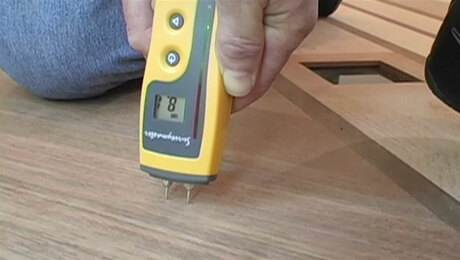
Professionals begin by using moisture meters to measure:
-
Hardwood moisture content
-
Subfloor saturation
-
Slab moisture levels
This establishes baseline readings and identifies the extent of moisture spread.
Florida homes typically have higher baseline moisture levels than homes in dry climates. Experienced professionals understand what constitutes abnormal readings in Palm Bay.
Step 2: Source Correction
Before drying begins, the moisture source must be corrected. This may include:
-
Repairing plumbing leaks
-
Sealing door thresholds
-
Addressing slab moisture intrusion
-
Adjusting HVAC systems
Drying without fixing the source will not solve the problem.
Step 3: Equipment Placement
Air movers are strategically positioned to direct airflow along flooring seams and across affected areas.
If moisture is trapped beneath the flooring, specialized drying mats may be installed to pull moisture upward through controlled suction and airflow.
Step 4: Dehumidification Integration
In Florida’s humid environment, air blowers must work alongside industrial dehumidifiers.
Air movement alone simply redistributes moisture unless humidity is actively removed from the air.
Dehumidifiers extract moisture from circulating air, accelerating the drying process.
Step 5: Monitoring and Adjustments
Daily moisture readings ensure drying is progressing.
Equipment may be repositioned to target stubborn areas.
Drying continues until readings return to acceptable moisture levels.
Why Timing Matters in Palm Bay
Florida’s warm temperatures create ideal conditions for microbial growth.
If hardwood flooring remains damp for more than 24–48 hours, mold risk increases significantly.
In Palm Bay waterfront properties, where humidity is consistently elevated, drying must begin quickly after a moisture event.
Delays can result in:
-
Mold growth beneath flooring
-
Subfloor deterioration
-
Permanent wood warping
-
Odor issues
-
Increased repair costs
Prompt air blower installation reduces the likelihood of structural removal later.
When Hardwood Cannot Be Saved
In some cases, moisture exposure is too extensive.
Indicators that flooring may require replacement include:
-
Severe buckling
-
Persistent high moisture readings
-
Subfloor rot
-
Visible mold growth beneath boards
However, early intervention with proper air blower installation often prevents this outcome.
Professionals serving Palm Bay, Cocoa, Melbourne, Merritt Island, and Sanford understand how Florida humidity affects wood materials and can determine when drying is still viable.
Preventing Moisture Problems Under Hardwood
Property owners can reduce risk by focusing on prevention.
Key steps include:
-
Monitoring indoor humidity (45–55%)
-
Maintaining HVAC systems
-
Installing vapor barriers where appropriate
-
Checking plumbing regularly
-
Inspecting after storms
-
Sealing entry points
-
Improving drainage around foundations
Homes near the water should consider routine moisture inspections due to increased exposure.
Companies such as Inspections and More FL often evaluate hardwood flooring during post-storm assessments to detect hidden moisture before visible damage appears.
Why DIY Drying Often Fails
Homeowners sometimes attempt to use household fans to dry hardwood.
While helpful for surface moisture, these methods rarely address trapped moisture beneath boards.
Common DIY limitations include:
-
Lack of industrial airflow power
-
No humidity control
-
No moisture monitoring
-
Uneven drying that causes warping
Without professional monitoring, floors may appear dry while moisture remains inside subfloor layers.
Florida’s humid climate makes controlled drying essential.
The Importance of Local Experience
Palm Bay homes face environmental factors that differ from inland regions.
Understanding:
-
Coastal humidity cycles
-
Slab foundation moisture movement
-
Storm-driven water intrusion
-
AC condensation patterns
-
Florida building materials
allows professionals to tailor drying strategies effectively.
Waterfront properties in Palm Bay are especially vulnerable due to constant environmental moisture pressure.
Experience serving surrounding communities like Cocoa, Melbourne, Merritt Island, and Sanford provides insight into how hardwood flooring behaves in Florida’s climate.
A Balanced, Informed Approach
Air blower installation under hardwood flooring in Palm Bay is not simply about drying visible water. It is about stabilizing the entire flooring system and preventing long-term damage in a humid coastal environment.
When moisture becomes trapped beneath hardwood, controlled airflow combined with dehumidification is often the most effective solution.
Early detection and prompt professional intervention can preserve flooring, reduce mold risk, and protect the structural integrity of your home.
Florida’s climate demands careful moisture management. Understanding how air blower installation works—and why it is necessary—helps property owners respond confidently when water exposure occurs.