
Air Scrubbing in Sanford Crawl Spaces: What Property Owners Should Understand
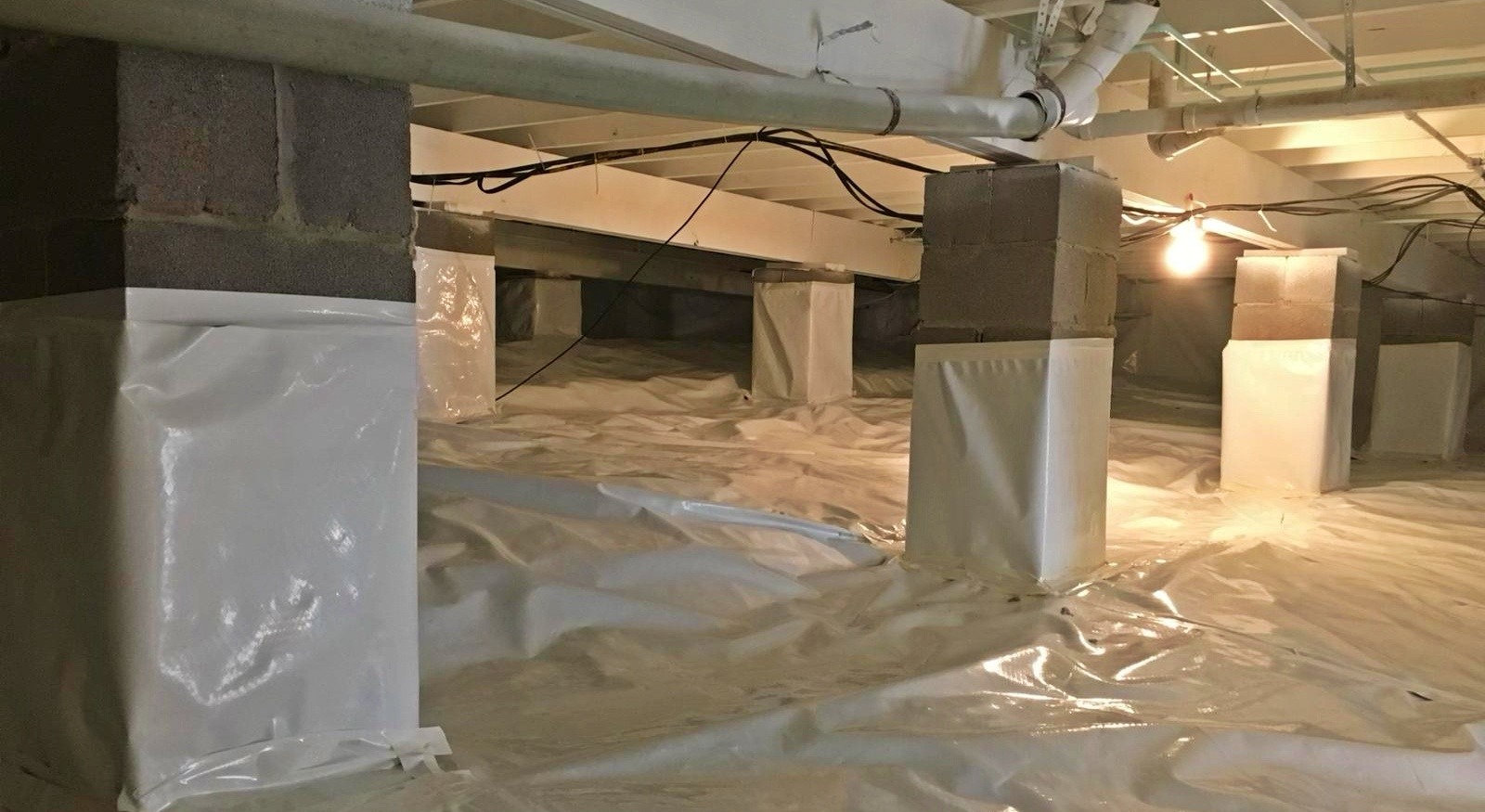
Crawl spaces are one of the most overlooked areas of homes across Sanford and surrounding Central Florida communities. Yet, they often play a major role in indoor air quality, moisture control, and long-term structural health.
Many property owners are surprised to learn that the air inside a crawl space doesn’t stay there. In fact, a significant portion of the air circulating throughout a home originates from below the structure. When moisture, mold spores, or contaminated air develop underneath the property, those conditions can slowly affect living spaces above.
That’s where air scrubbing becomes an essential part of protecting homes — especially in Sanford, where humidity levels remain consistently high for much of the year.
Understanding how air scrubbing works in crawl spaces helps homeowners recognize why professional intervention often becomes necessary.
What Air Scrubbing in Crawl Spaces Actually Means
Air scrubbing is a specialized filtration process designed to remove airborne contaminants from enclosed environments. In crawl spaces, this process targets:
- Mold spores
- Dust and debris
- Moisture-related particles
- Construction contaminants
- Bacteria and airborne pollutants
Unlike basic ventilation or fans, air scrubbers actively pull contaminated air through advanced filtration systems, typically using HEPA-grade filters capable of capturing microscopic particles.
In Sanford homes, crawl spaces often trap stagnant, humid air. Without filtration, contaminants continue circulating beneath flooring systems and eventually migrate into indoor living areas.
Air scrubbing works by continuously cleaning that air while remediation or drying efforts take place.
Why Crawl Space Problems Are So Common in Sanford
Sanford properties face several environmental factors that make crawl spaces vulnerable.
Persistent Central Florida Humidity
Humidity rarely disappears in this region. Moist outdoor air enters crawl spaces through vents, foundation gaps, and soil evaporation, creating damp conditions year-round.
High Ground Moisture Levels
Florida’s naturally high water table allows moisture to rise from the soil beneath homes. Even without flooding, vapor intrusion can keep crawl spaces consistently damp.
Storm Activity and Heavy Rain
Seasonal storms frequently saturate soil surrounding foundations. Water accumulation beneath homes may not be immediately visible but can linger for weeks.
HVAC System Influence
Ductwork commonly runs through crawl spaces. When condensation forms on cold ducts, moisture collects below flooring systems, encouraging microbial growth.
These combined conditions make Sanford crawl spaces ideal environments for airborne contamination.
Common Signs Property Owners Notice
Many crawl space air quality issues start subtly. Property owners often notice symptoms inside the home long before realizing the source lies underneath.
Typical warning signs include:
- Persistent musty odors indoors
- Floors feeling humid or slightly damp
- Increased allergy-like discomfort indoors
- Uneven indoor temperatures
- Lingering moisture smells after rain
- Rising indoor humidity levels
Because crawl spaces remain hidden, these indicators are frequently misattributed to HVAC problems or general humidity.
Hidden Sources of Contamination Beneath Homes
During inspections throughout Sanford and nearby communities, several overlooked sources regularly appear inside crawl spaces:
- Mold growth on floor joists and subflooring
- Wet insulation retaining moisture
- Standing water after storms
- Soil vapor migration
- Old plumbing leaks
- Condensation from AC ductwork
- Organic debris trapped beneath structures
Once contamination begins, airborne particles spread easily in confined areas. Without filtration, every movement of air distributes spores throughout the space.
Air scrubbing helps control this spread during corrective work.
Why DIY Solutions Rarely Solve Crawl Space Air Problems
Homeowners sometimes attempt quick fixes such as:
- Running household fans
- Installing small dehumidifiers
- Applying surface cleaners
- Opening crawl space vents
Unfortunately, these methods usually address symptoms rather than airborne contamination.
Bleach or surface cleaning does not remove microscopic spores suspended in the air. Fans may actually worsen conditions by spreading contaminants further.
Most importantly, moisture sources remain active unless professionally identified and corrected.
Air scrubbing works alongside moisture control — not as a standalone shortcut.
Professional Inspection and Detection Process
Before air scrubbing begins, a proper crawl space evaluation is essential.
Professionals serving Sanford properties typically perform:
Visual Assessment
Inspection of structural wood, insulation, and soil conditions.
Moisture Detection
Specialized meters locate elevated moisture levels hidden within materials.
Thermal Imaging
Infrared scanning identifies temperature differences linked to moisture intrusion.
Air Quality Evaluation
Airborne particle levels help determine contamination severity.
Containment Planning
If mold or heavy contamination exists, controlled containment prevents cross-contamination during cleanup.
Companies such as Inspections and More FL often emphasize detection first, ensuring air scrubbing targets verified problem areas rather than guessing.
How Air Scrubbing Fits Into Proper Remediation
Air scrubbing rarely occurs alone. It operates as part of a broader moisture and remediation strategy.
A typical crawl space restoration process may include:
- Containment of affected areas
- Removal of contaminated materials
- HEPA air scrubbing operation
- Mold remediation procedures
- Anti-microbial treatments
- Dehumidification setup
- Air blower installation for drying
- Structural dryouts
- Crawl space encapsulation adjustments
- Moisture source correction
Air scrubbers continuously filter airborne contaminants while remediation work progresses, preventing particles from re-settling onto cleaned surfaces.
This step dramatically improves long-term effectiveness.
Preventing Future Crawl Space Air Quality Issues
Sanford homeowners can reduce future risks through proactive moisture management.
Helpful prevention steps include:
- Installing vapor barriers when needed
- Maintaining proper drainage around foundations
- Scheduling HVAC inspections regularly
- Monitoring indoor humidity levels
- Checking crawl spaces after major storms
- Repairing plumbing leaks quickly
- Improving airflow balance within homes
Routine inspections often catch early moisture conditions before air contamination develops.
Why Local Florida Experience Makes a Difference
Crawl space conditions in Florida differ significantly from those in drier regions.
Local professionals understand:
- Coastal humidity behavior
- Soil moisture movement
- Florida construction styles
- AC-driven condensation patterns
- Seasonal storm impacts
Experience working specifically in Sanford, Cocoa, Palm Bay, Melbourne, and Merritt Island allows faster identification of underlying causes rather than temporary fixes.
Inspections and More FL frequently encounters crawl space environments where moisture appears minor on the surface but hides deeper air quality concerns below flooring systems.
Local knowledge helps prevent recurring problems.
A Practical Next Step for Property Owners
If indoor air feels heavy, musty odors persist, or humidity remains difficult to control, the crawl space may deserve closer attention.
Air scrubbing is not about alarm — it’s about restoring balance to environments affected by hidden moisture and airborne contamination.
A professional evaluation helps determine whether filtration, drying, or broader remediation measures are needed.
For many Sanford property owners, addressing crawl space air quality early prevents larger structural and indoor comfort issues later.
Understanding what happens beneath your home is often the first step toward protecting everything above it.
