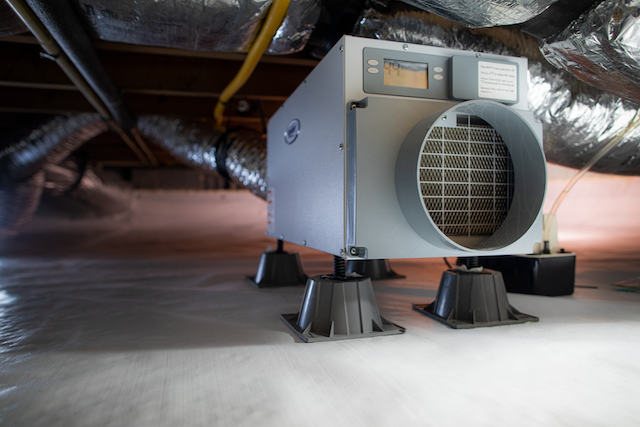
Air Scrubbing in Sanford in Crawl Spaces: What Property Owners Should Understand
Crawl spaces in Sanford homes don’t get much attention — until there’s a problem.
Out of sight often means out of mind. But in Central Florida, crawl spaces are one of the most moisture-prone areas of a property. Between high humidity, heavy summer rain, and shifting soil conditions, the air underneath your home can become damp, stagnant, and contaminated.
When moisture builds up in crawl spaces, air scrubbing becomes an important part of protecting the structure and indoor air quality above.
If you own property in Sanford, Cocoa, Palm Bay, Melbourne, or Merritt Island, here’s what you should understand about air scrubbing in crawl spaces — and why it’s not just an optional step.
Why Crawl Spaces in Sanford Are Vulnerable
Sanford may not be directly on the coast like Cocoa or Merritt Island, but Central Florida still deals with:
- High year-round humidity
- Frequent heavy rainstorms
- High water tables in certain areas
- Warm temperatures that promote microbial growth
Crawl spaces are naturally cooler and darker than living areas. That sounds harmless — but when moisture enters and airflow is limited, those conditions allow mold and microbial growth to develop quickly.
Water intrusion in crawl spaces often comes from:
- Poor drainage around the foundation
- Plumbing leaks under the home
- Ground moisture rising through soil
- Improper vapor barriers
- Ventilation issues
Once moisture is present, spores in the air begin to multiply.
Why Crawl Space Air Affects the Entire Home
Many property owners assume problems under the house stay under the house.
That’s rarely true.
In Florida homes, a significant portion of indoor air originates from the crawl space due to natural air movement. Warm air rises, pulling cooler air upward through floor gaps and structural openings.
This process, sometimes called the “stack effect,” means contaminated crawl space air can enter:
- Living rooms
- Bedrooms
- HVAC systems
- Ductwork
If mold spores and moisture accumulate underneath, they don’t stay isolated.
That’s where air scrubbing plays a role.
What Air Scrubbing Does in Crawl Spaces
Professional air scrubbing involves high-capacity HEPA filtration equipment designed to capture microscopic airborne particles.
In crawl spaces, air scrubbing helps:
- Remove airborne mold spores
- Capture dust and insulation fibers
- Reduce microbial particle circulation
- Improve air quality before sealing or repair work
Unlike basic air purifiers, restoration-grade air scrubbers are built to handle heavy particle loads in confined spaces.
In Sanford properties, especially older homes with vented crawl spaces, this step becomes critical after water intrusion.
Common Crawl Space Conditions That Require Air Scrubbing
Air scrubbing is often necessary in crawl spaces when:
- Plumbing leaks have occurred under the home
- Stormwater has entered the foundation area
- Insulation has become damp
- Visible mold is discovered on framing
- Musty odors are present inside the house
In properties throughout Sanford and nearby communities, crawl space contamination often goes unnoticed until indoor air smells persistently earthy.
Air scrubbing helps address the airborne component of that contamination.
The Challenges of Air Scrubbing in Crawl Spaces
Crawl spaces present unique difficulties.
1. Confined Space Access
Limited height and tight structural framing make equipment placement more complex. Proper airflow direction must be carefully planned.
2. High Humidity Levels
Sanford’s climate often keeps crawl space humidity elevated. Running air scrubbers without dehumidification can limit effectiveness.
Air scrubbing must be paired with moisture control.
3. Insulation and Debris
Older crawl spaces may contain loose insulation or debris that increases airborne particle load during remediation.
Without containment and proper filtration, contaminants can move upward into living areas.
4. Ground Moisture
Even without visible leaks, moisture rising from soil can maintain damp conditions.
Air scrubbing alone does not solve moisture problems — it must be part of a broader corrective plan.
How Professionals Approach Crawl Space Air Scrubbing
A structured process ensures effectiveness.
Step 1: Inspection and Moisture Assessment
Moisture meters and visual inspections identify:
- Wet insulation
- Condensation on framing
- Soil dampness
- Ventilation failures
Understanding the source determines the solution.
Step 2: Containment Setup
Before heavy remediation work begins, containment barriers are installed if needed to prevent upward contamination.
Negative air pressure machines may be used to control airflow direction.
Step 3: HEPA Air Scrubbing Deployment
Air scrubbers are positioned strategically within the crawl space.
The goal is to cycle and filter air multiple times per hour, significantly reducing airborne spores and particles.
Step 4: Integration with Dehumidification
Crawl spaces in Sanford often require:
- Dehumidifiers
- Vapor barrier installation
- Drainage improvements
- Insulation replacement
Air scrubbing supports these efforts by cleaning the air during and after corrective work.
Why Air Scrubbing Alone Is Not Enough
Air scrubbing removes airborne contaminants — but it does not eliminate moisture sources.
If:
- Drainage remains poor
- Plumbing leaks persist
- Soil moisture is uncontrolled
- Vapor barriers are missing
then contamination can return.
Companies experienced in Florida conditions, such as Inspections and More FL, focus on combining air scrubbing with moisture correction and structural evaluation.
That comprehensive approach is what prevents recurring issues.
Signs Your Sanford Crawl Space May Need Evaluation
Property owners should consider an inspection if they notice:
- Persistent musty odors indoors
- Increased indoor humidity
- Warped flooring
- Allergy-like symptoms indoors
- Rising energy bills
- Visible moisture around foundation vents
These indicators often connect back to crawl space air quality.
Preventing Crawl Space Air Quality Issues in Florida
Prevention strategies for Sanford properties include:
- Installing proper vapor barriers
- Improving exterior drainage
- Monitoring crawl space humidity
- Sealing unnecessary vents when appropriate
- Scheduling inspections after heavy storms
- Addressing plumbing leaks immediately
Even inland areas like Sanford can experience storm-related ground saturation similar to coastal communities like Cocoa and Merritt Island.
Proactive monitoring makes a difference.
Why Local Experience in Sanford Matters
Florida crawl spaces behave differently than those in dry climates.
Understanding:
- Central Florida soil conditions
- Seasonal humidity patterns
- Slab vs crawl construction differences
- Local storm cycles
allows for more accurate air scrubbing strategies.
Each community — from Palm Bay to Melbourne to Sanford — presents unique environmental influences.
Professionals familiar with these conditions recognize patterns quickly and adjust remediation approaches accordingly.
A Practical Perspective for Property Owners
Crawl spaces may not be visible every day, but their impact on indoor air quality is significant.
In Sanford’s humid climate, air scrubbing is not just about filtration — it’s about protecting the entire home from airborne contamination that starts below the floor.
When air scrubbing is integrated with moisture correction and structural improvements, crawl spaces can remain dry, stable, and controlled.
Ignoring what’s underneath the house often leads to problems above it.
Understanding how air scrubbing works — and when it’s necessary — helps property owners make informed decisions that protect their investment long-term.