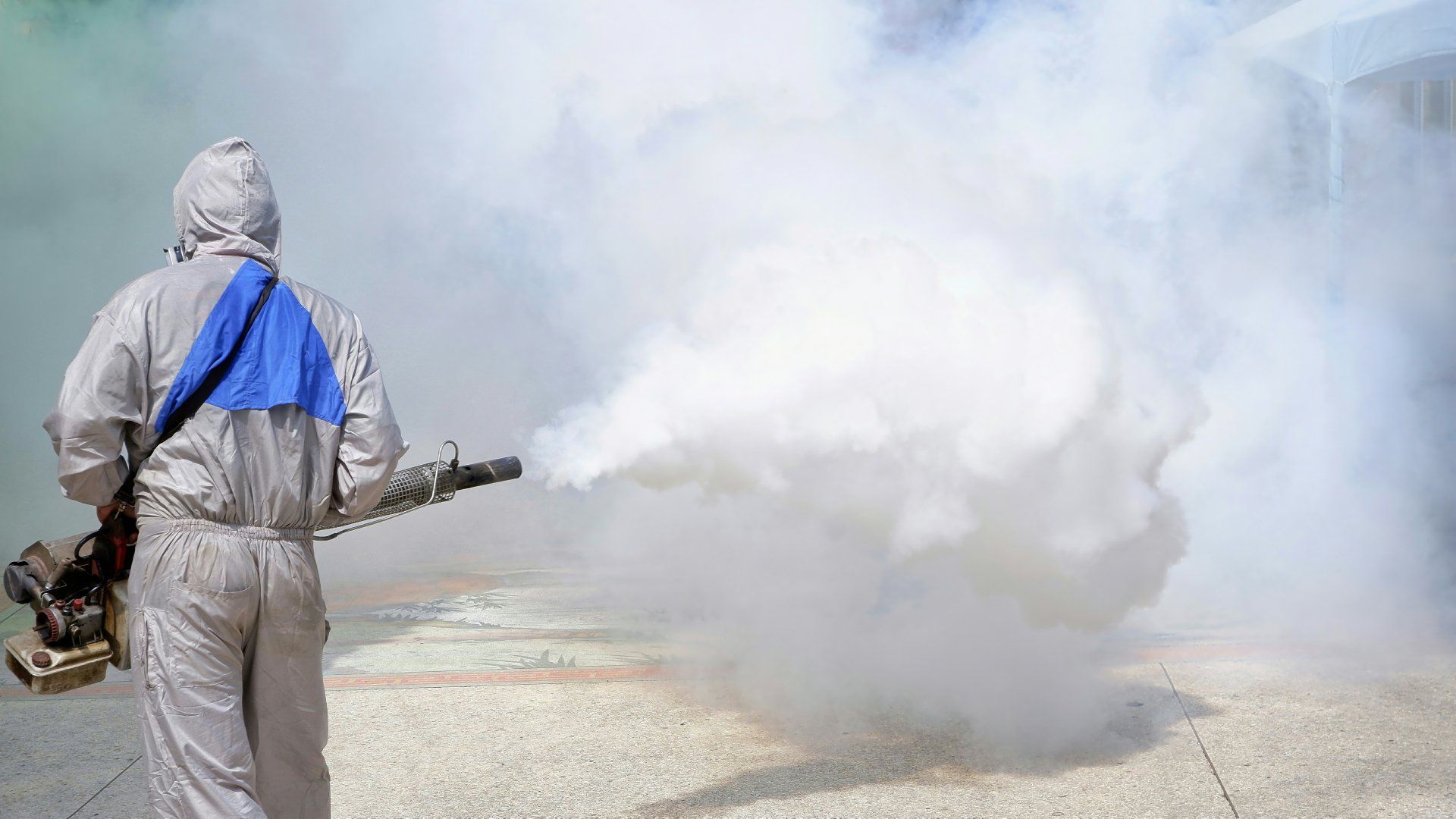
Anti-Microbial Fogging in Melbourne When AC Condensation Becomes a Problem: What Property Owners Should Understand
In Melbourne, air conditioning systems don’t get much of a break.
Between long summers, coastal humidity, and extended storm seasons, AC units often run for most of the year. They cool the air, regulate indoor comfort, and remove moisture. But when condensation becomes a problem, that same system can quietly introduce moisture into areas that aren’t designed to handle it.
In Florida’s humid climate, even small condensation issues can escalate. And in some cases, anti-microbial fogging becomes part of the remediation process.
Before jumping to conclusions, though, it’s important to understand what fogging does — and what it does not do.
Let’s take a closer look at how AC condensation creates risk in Melbourne homes and what property owners should know.
How AC Condensation Becomes a Problem
Every air conditioning system produces condensation. Moisture collects on evaporator coils and drains through a condensate line.
Problems arise when:
- Condensate drain lines clog
- Drain pans crack or overflow
- Coils freeze and thaw
- Ductwork insulation deteriorates
- Air handlers are improperly installed
- Slab-mounted AC systems leak beneath flooring
When drainage fails, moisture accumulates in:
- Attic air handler closets
- Interior utility rooms
- Wall cavities
- Ceiling spaces
- Around duct connections
Because Melbourne homes experience high humidity, this moisture does not dry quickly. It lingers — especially in enclosed spaces.
Why Florida’s Climate Makes It Worse
AC condensation issues are common everywhere. In Melbourne, the environment amplifies the impact.
Constant Humidity
Outdoor humidity remains elevated for much of the year. Even indoor air contains significant moisture.
When condensation leaks occur, building materials are already near their moisture tolerance limits.
Extended Cooling Cycles
AC systems in Melbourne often run for long stretches. More run time equals more condensation production.
Small drainage issues compound quickly.
Warm Temperatures
Heat combined with trapped moisture creates ideal conditions for microbial growth inside walls, ceilings, or air handlers.
The timeline from moisture to contamination is short in Florida.
Early Warning Signs Property Owners Notice
Before visible mold appears, there are usually subtle indicators.
These include:
- Musty odors near vents
- Ceiling staining below attic air handlers
- Dampness around interior utility closets
- Unexplained indoor humidity spikes
- AC units running longer than normal
- Visible condensation on ductwork
Because HVAC systems circulate air throughout the home, contamination tied to condensation problems can spread beyond the initial moisture source.
That’s when inspection becomes essential.
The Role of Professional Inspection
Before anti-microbial fogging is ever considered, a full evaluation is necessary.
In Melbourne homes dealing with condensation issues, inspections typically include:
- HVAC system assessment
- Condensate line inspection
- Moisture meter readings
- Thermal imaging scans
- Attic and wall cavity evaluation
- Indoor humidity measurement
Thermal imaging helps identify cooler zones that suggest hidden moisture inside walls or ceilings.
Moisture mapping determines how far dampness has spread.
At Inspections and More FL, condensation-related inspections in Melbourne frequently uncover moisture extending beyond the visible drip area. Early detection limits structural damage.
When Anti-Microbial Fogging Becomes Necessary
Anti-microbial fogging is not the first step. It is used after:
- Moisture sources are corrected
- Drainage systems are repaired
- Structural drying is completed
- Containment measures are in place
If microbial contamination is identified inside wall cavities, attic framing, or around air handlers, fogging may be used to treat hard-to-reach surfaces.
The process disperses a fine mist that settles onto exposed structural materials, helping to stabilize treated areas.
Fogging supports remediation — it does not replace removal of damaged materials or moisture correction.
What Fogging Does — and What It Doesn’t
Property owners in Melbourne should understand:
Fogging can:
- Treat cleaned structural surfaces
- Reach confined wall cavities
- Support air quality stabilization
- Reduce residual surface contamination
Fogging cannot:
- Remove saturated insulation
- Dry wet framing
- Fix clogged drain lines
- Replace containment
- Eliminate the need for moisture correction
If condensation issues remain unresolved, fogging alone will not prevent recurrence.
Florida’s climate demands full moisture control.
The Complete Remediation Process
When AC condensation leads to contamination, remediation may include:
- Repairing condensate drainage
- Removing damaged drywall or insulation
- Structural drying with air blowers
- Commercial dehumidification
- HEPA air scrubbing
- Anti-microbial fogging (when appropriate)
- Moisture verification
Each step is essential.
Skipping structural drying or moisture correction often leads to recurring issues — especially in humid coastal environments like Melbourne.
HVAC Systems and Airflow Considerations
Condensation problems frequently involve ductwork and air handlers.
If contamination occurs inside these components, spores can circulate throughout the property.
Part of the inspection process often includes evaluating:
- Duct insulation
- Return air pathways
- Air handler cabinets
- Attic ventilation
Airflow must be stabilized and cleaned before systems return to normal operation.
Preventing Future Condensation Problems
Melbourne property owners can reduce risk by:
- Scheduling annual HVAC maintenance
- Flushing condensate lines regularly
- Inspecting attic air handlers after heavy rain
- Monitoring indoor humidity levels
- Checking duct insulation condition
- Ensuring proper attic ventilation
Preventative maintenance is far less costly than remediation.
Florida’s humidity makes proactive inspection essential.
Why Local Experience Matters in Melbourne
Condensation behavior in coastal Florida differs from drier regions.
Professionals familiar with Melbourne understand:
- How attic heat influences AC systems
- How slab foundations retain vapor
- How humidity slows drying
- How salt air affects HVAC components
Accurate diagnosis requires understanding these environmental factors.
Inspections and More FL approaches condensation-related remediation in Melbourne with local knowledge of construction styles and climate patterns. That experience ensures appropriate treatment — not unnecessary steps.
Protecting Your Property the Right Way
AC condensation problems in Melbourne may start small. In Florida’s climate, they rarely stay that way.
Anti-microbial fogging can be an important part of remediation when microbial contamination develops — but only after moisture sources are corrected and drying is complete.
If you’ve noticed musty odors near vents, staining near air handlers, or unexplained humidity shifts, a professional inspection can determine whether condensation is creating hidden moisture behind your walls or ceilings.
In coastal Florida, understanding the source is the first step toward protecting your property long-term.