
Anti-Microbial Fogging in Palm Bay During Extreme Humidity: How Florida’s Climate Makes It Worse
If you’ve lived through a Palm Bay summer, you know extreme humidity isn’t just uncomfortable — it changes how your home behaves. Doors swell. AC systems run constantly. Windows fog. Closets feel damp. And when humidity stays elevated for days or weeks at a time, microbial growth risks increase dramatically.
That’s when conversations about anti-microbial fogging usually come up.
But fogging isn’t a magic solution. And in Florida’s climate, it only works properly when used as part of a larger moisture control strategy.
Let’s break down how anti-microbial fogging works in Palm Bay, why extreme humidity makes conditions worse, and when it actually makes sense to use it.
Why Extreme Humidity Changes Everything in Palm Bay
Palm Bay’s climate creates a perfect environment for moisture imbalance:
- High year-round humidity
- Heavy summer rainfall
- Storm-driven moisture surges
- Long AC operating cycles
- Warm temperatures that slow natural drying
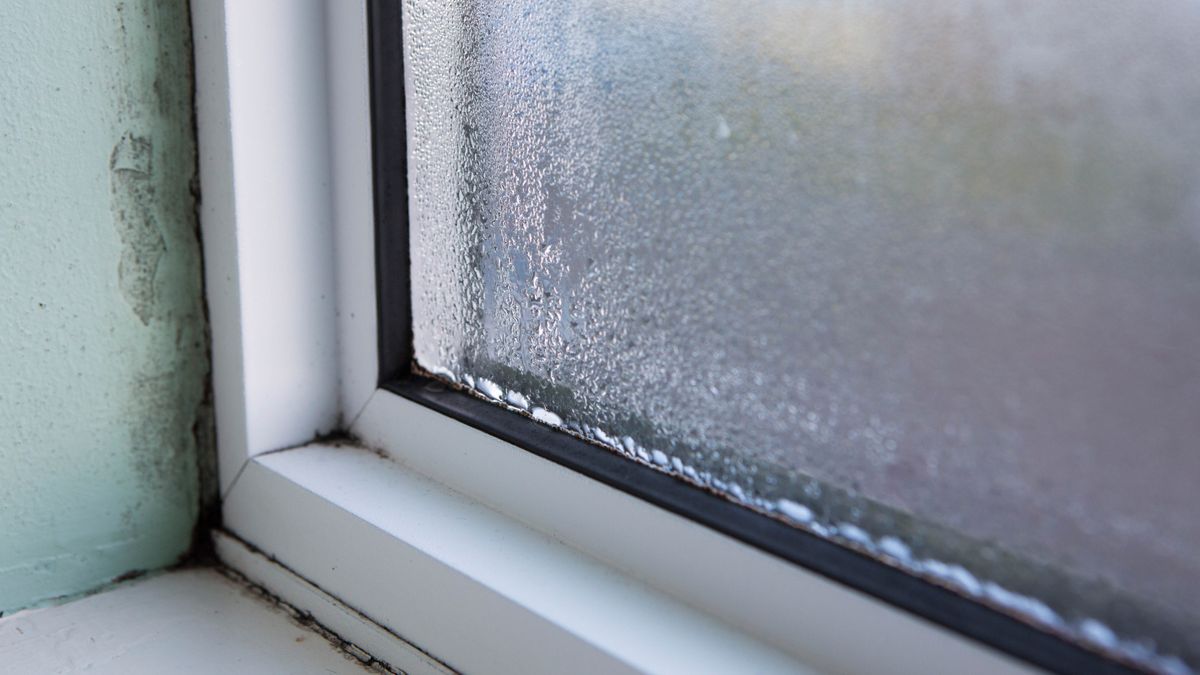
When indoor humidity remains elevated, surfaces begin absorbing moisture from the air. Even without a plumbing leak or roof failure, condensation can form on:
- Ductwork
- Interior wall surfaces
- Slab edges
- Window frames
- Vent registers
Humidity alone can create damp conditions in enclosed areas — especially closets, attics, and air handler spaces.
In Florida, moisture doesn’t need to be dramatic to create microbial concerns. It just needs to linger.
What Anti-Microbial Fogging Actually Is
Anti-microbial fogging involves dispersing a fine mist of treatment solution into a contained space.
The fog:
- Reaches irregular surfaces
- Penetrates tight crevices
- Contacts framing and structural materials
- Helps reduce microbial presence on exposed surfaces
It is typically used after cleaning and drying steps — not as a substitute for them.
That distinction matters, especially in humid climates.
How Extreme Humidity Makes Microbial Issues Worse
Humidity alone can create favorable growth conditions. But during extreme humidity in Palm Bay, several additional factors come into play:
Slower evaporation
Materials remain damp longer.
Increased condensation cycles
AC systems produce more condensation during high humidity.
Higher indoor humidity levels
If AC systems struggle to keep up, interior humidity rises.
Limited airflow in enclosed spaces
Closets and wall cavities retain moisture.
When humidity stays high, microbial growth can expand faster and affect larger areas.
Fogging may become part of the remediation response — but only after moisture control.
Common Situations Where Fogging Is Considered
During extreme humidity periods, fogging is often discussed when inspections uncover:
- Surface mold growth after condensation
- Musty odors in wall cavities
- Damp attic framing
- Mold development near air handler closets
- Areas that were physically cleaned and dried
In Palm Bay homes, fogging is frequently paired with drying equipment because humidity control is essential for lasting results.
Why Fogging Alone Doesn’t Solve Humidity Problems
One of the biggest misconceptions is that fogging fixes moisture problems.
It doesn’t.
If indoor humidity remains elevated:
- Surfaces can reabsorb moisture
- Condensation can return
- Mold can regrow
- Odors may reappear
Fogging treats surfaces. It does not remove moisture from building materials.
In Florida’s climate, moisture correction must come first.
Step-by-Step: Proper Use of Anti-Microbial Fogging in Palm Bay
Step 1: Identify the Moisture Source
Before fogging, technicians determine:
- Whether humidity is elevated
- If condensation is active
- If a leak is present
- If HVAC systems are contributing
Moisture detection tools guide this process.
Step 2: Correct Humidity and Moisture Levels
This may involve:
- Dehumidification
- AC system adjustments
- Drain line clearing
- Improving airflow
- Repairing insulation gaps
Without lowering humidity, fogging provides only temporary relief.
Step 3: Physical Cleaning and Removal
If mold growth is present, affected porous materials are removed.
Structural surfaces are HEPA vacuumed and wiped.
Fogging is never a replacement for physical cleaning.
Step 4: Controlled Containment
The treatment area is isolated to prevent spreading particles.
Containment also ensures the fog remains within the intended space.
Step 5: Anti-Microbial Fogging Application
A fine mist is dispersed throughout the contained area.
The solution contacts framing, surfaces, and irregular areas that are difficult to wipe manually.
This step supplements — not replaces — cleaning.
Step 6: Continued Dehumidification
After fogging, dehumidifiers often continue running to maintain stable humidity levels.
In Palm Bay, this is critical. Without humidity control, conditions may return quickly.
Where Fogging Is Most Effective During Extreme Humidity
Fogging is typically most useful in:
- Attic framing after condensation issues
- Wall cavities opened during remediation
- Air handler closets
- Rooms that experienced surface growth after prolonged humidity
- Commercial spaces with large surface exposure
It is less effective as a standalone measure in closed wall cavities that remain wet.
The Importance of Moisture Monitoring
During extreme humidity events in Palm Bay, moisture monitoring becomes essential.
Technicians use:
- Hygrometers to track indoor humidity
- Moisture meters for drywall and framing
- Thermal imaging to locate condensation zones
Fogging decisions should be based on data, not just odor.
Companies like Inspections and More FL focus on moisture mapping first — because humidity control determines whether fogging will be effective.
Preventing Recurring Issues in Palm Bay’s Climate
Extreme humidity can’t be eliminated, but its impact can be controlled.
Property owners can:
- Monitor indoor humidity regularly
- Maintain AC systems before peak summer
- Ensure bathroom vents exhaust outdoors
- Inspect attic insulation
- Improve airflow in stagnant areas
- Schedule periodic moisture evaluations
When humidity is managed, microbial risks decrease significantly.
Why Florida’s Climate Requires a Different Approach
Anti-microbial fogging in dry climates may be a short-term solution.
In Palm Bay, it must be part of a broader moisture management strategy.
Florida’s climate creates:
- Higher baseline humidity
- Longer drying times
- More condensation cycles
- Greater recurrence risk
Local experience ensures fogging is applied appropriately — after moisture sources are controlled and materials are dry.
A Practical Next Step
If you notice musty odors, visible growth, or persistent dampness during extreme humidity in Palm Bay, the first step is evaluation — not treatment.
Moisture detection identifies whether humidity alone is contributing to conditions or if a hidden source is involved.
Anti-microbial fogging can be a useful supplemental step during remediation, but only when combined with proper drying and humidity control.
In Florida’s climate, controlling moisture always comes first. Fogging supports the process — it doesn’t replace it.
