Behind Interior Walls in Cocoa: A Closer Look at Air Scrubbing
In Cocoa, moisture doesn’t always stop at the surface. A plumbing leak, wind-driven rain, or AC condensation issue can push dampness behind interior walls long before visible signs appear. By the time a musty odor develops or paint begins to bubble, microbial growth may already be active inside wall cavities.
When remediation is necessary, air scrubbing often becomes a critical part of the process. But what exactly does air scrubbing do—especially when the concern is hidden behind interior walls?
In Cocoa’s humid coastal climate, air scrubbing plays a key role in protecting indoor air quality during and after moisture-related repairs.
What Happens Behind Interior Walls
Interior walls contain more than drywall. Inside most wall cavities you’ll find:
- Wood or metal framing
- Insulation
- Plumbing lines
- Electrical wiring
- HVAC penetrations
When moisture enters through a roof leak, storm exposure, or plumbing failure, it becomes trapped in these confined spaces. Limited airflow prevents natural drying.
In Cocoa, where humidity remains high for much of the year, trapped moisture creates an environment where microbial growth can develop quickly.
Once wall cavities are opened during remediation, airborne particles can spread throughout the property if not properly controlled.
Why Cocoa Homes Are Vulnerable to Hidden Wall Contamination
Cocoa’s coastal location increases the likelihood of moisture-related wall issues.
Wind-Driven Rain
Storm systems push water horizontally into exterior walls.
High Water Table
Saturated soil can increase vapor transmission near slab edges.
AC Condensation
Improperly insulated ductwork running through walls can create localized dampness.
Older Construction Materials
Aging seals and insulation may not resist moisture effectively.
Extended Humidity
Even minor dampness dries slowly in Florida’s climate.
These conditions make professional containment and air filtration essential during remediation.
What Air Scrubbing Actually Is
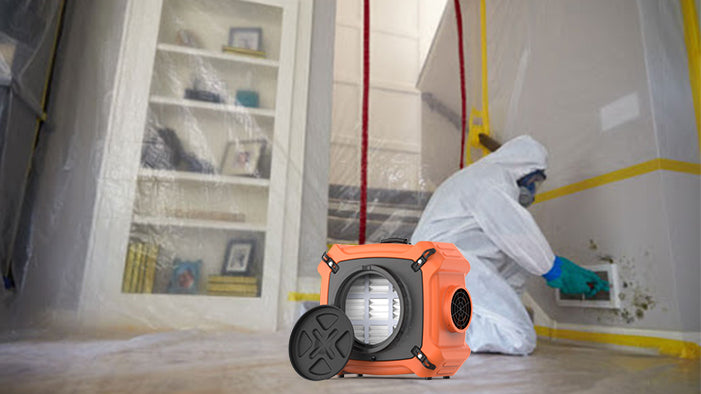
Air scrubbing uses high-efficiency filtration equipment—typically HEPA (High-Efficiency Particulate Air) systems—to remove airborne particles from the environment.
These machines:
- Pull in contaminated air
- Filter microscopic particles
- Capture mold spores
- Reduce dust and debris
- Return clean air back into the space
Air scrubbing does not remove mold from surfaces. Instead, it controls airborne contamination during remediation work.
When wall cavities are opened to remove damp insulation or damaged drywall, air scrubbing prevents particles from spreading into unaffected areas.
Why Air Scrubbing Is Necessary During Wall Remediation
Opening interior walls disturbs settled spores and debris. Without proper air control, these particles can:
- Spread into HVAC systems
- Settle in adjacent rooms
- Affect indoor air quality
- Increase cleanup needs
In Cocoa homes, especially during humid conditions, airborne particles can remain suspended longer.
Air scrubbing helps maintain controlled conditions by continuously filtering the air during the remediation process.
The Role of Containment Alongside Air Scrubbing
Air scrubbing works best when paired with containment procedures.
During professional remediation, technicians typically:
- Isolate affected areas with plastic barriers
- Seal vents within the containment zone
- Maintain negative air pressure
- Deploy HEPA air scrubbers
Negative pressure ensures that air flows into the contained area rather than out into the rest of the building.
This layered approach minimizes cross-contamination.
Companies such as Inspections and More FL use air scrubbing as part of a structured remediation system rather than a standalone service.
Lessons Learned From Local Cocoa Cases
Recurring patterns appear in Cocoa properties dealing with hidden wall moisture.
Lesson 1: Odors Linger Without Air Control
Even after removing damaged drywall, musty smells may persist if airborne particles aren’t filtered properly.
Lesson 2: HVAC Systems Can Spread Contamination
Without containment and air scrubbing, spores can enter return air ducts.
Lesson 3: Small Leaks Create Large Airborne Impact
Minor moisture problems behind walls can produce significant particulate disturbance once opened.
Lesson 4: Florida Humidity Slows Air Clearing
Without mechanical filtration, contaminated air may linger longer in humid environments.
These lessons reinforce the importance of proper air management during wall remediation.
What Air Scrubbing Protects
When used correctly, air scrubbing helps protect:
- Occupied areas of the building
- HVAC components
- Adjacent rooms
- Workers performing remediation
- Indoor air quality
It provides an added layer of safety and environmental control while structural drying and cleaning take place.
After Air Scrubbing: What Comes Next
Air scrubbing is typically combined with:
- Moisture correction
- Removal of saturated materials
- Structural drying with dehumidification
- Anti-microbial treatment when appropriate
- Mold encapsulation if structural framing requires protection
Once moisture levels stabilize and cleaning is complete, filtration equipment remains in place until airborne particle levels normalize.
The goal is to restore clean, stable air conditions before reconstruction begins.
Preventing Future Behind-the-Wall Issues in Cocoa
Air scrubbing addresses airborne particles—but preventing recurrence requires moisture control.
Cocoa homeowners can reduce risk by:
- Maintaining roof systems
- Inspecting after heavy rainstorms
- Servicing HVAC systems
- Clearing condensate drain lines
- Monitoring indoor humidity levels
- Scheduling periodic moisture evaluations
Humidity management plays a long-term role in preventing future hidden wall issues.
Why Local Experience Matters
Behind-the-wall moisture in Cocoa behaves differently than in drier climates.
Professionals familiar with Cocoa, Merritt Island, Palm Bay, Melbourne, and Sanford understand:
- Coastal humidity cycles
- Slab foundation vapor transmission
- Storm-driven wall infiltration
- AC condensation vulnerabilities
Local experience ensures air scrubbing is used appropriately—after proper moisture detection and during structured containment.
Inspections and More FL focuses on environmental control and moisture stabilization before repairs move forward.
A Practical Next Step
If your Cocoa property has experienced a leak, storm exposure, or persistent musty odors, hidden wall cavities may be affected.
Air scrubbing plays a critical role in protecting indoor air during remediation. It supports containment efforts, prevents cross-contamination, and helps restore clean indoor conditions.
In Florida’s humid climate, addressing hidden moisture thoroughly—and controlling airborne particles during repairs—protects both structural integrity and indoor air stability.
A professional evaluation can determine whether air scrubbing is necessary and how to implement it safely within your property.