
Behind Interior Walls in Melbourne: A Closer Look at Structural Dryouts
When water gets behind interior walls in a Melbourne home, the damage isn’t always visible right away. You might not see standing water or obvious staining. Instead, what’s happening is quieter — moisture soaking into drywall, wood framing, insulation, and baseboards.
In Brevard County’s humid climate, that hidden moisture doesn’t dry naturally. It lingers. It spreads. And over time, it begins weakening structural materials from the inside out.
This is where structural dryouts become essential. They’re not just about removing surface moisture. They’re about restoring the integrity of the building materials hidden behind your walls.
What Happens When Water Gets Behind Interior Walls
Water intrusion behind walls can come from many sources in Melbourne homes:
- Slow plumbing leaks
- Roof seepage after heavy rain
- Hurricane-driven wind and rain
- AC condensation line failures
- Window or flashing gaps
- Slab foundation moisture migration
Once water enters the wall cavity, drywall absorbs it quickly. Insulation traps it. Wood framing holds it internally. Because these materials are enclosed, airflow is limited — meaning evaporation is slow.
In Melbourne’s high humidity environment, trapped moisture doesn’t dry on its own. Instead, it stabilizes at a high moisture content level, creating long-term structural risk.
Why Melbourne Homes Are Particularly Vulnerable
Melbourne’s coastal environment creates conditions that complicate hidden moisture issues:
- High year-round humidity
- Frequent summer storms
- Hurricane season exposure
- Salt air influence near coastal properties
- High water table pressure
- AC systems running nearly constantly
When walls already contain ambient moisture due to climate, even a small leak can push materials beyond safe moisture levels.
Older homes in Melbourne, especially those with slab foundations or aging plumbing systems, are even more susceptible to behind-the-wall water migration.
Early Signs Something Is Wrong Behind the Walls
Water behind walls rarely announces itself dramatically. Instead, homeowners notice subtle warning signs:
- Musty odors that don’t go away
- Paint bubbling or peeling
- Baseboards separating from drywall
- Slight wall discoloration
- Increased indoor humidity
- HVAC running longer than normal
Sometimes, the only clue is that one room feels warmer or more humid than others.
Ignoring these signals allows moisture to continue spreading inside the cavity.
Why Surface Drying Isn’t Enough
A common mistake is assuming that if walls feel dry to the touch, the problem is resolved.
Surface dryness does not equal structural dryness.
Drywall may appear dry externally while the interior cavity remains saturated. Insulation can stay damp for weeks without visible signs. Wood framing may hold moisture deep within its structure.
Household fans and small dehumidifiers don’t generate enough airflow or extraction capacity to address embedded moisture.
This is why structural dryouts require professional equipment and moisture monitoring.
What a Structural Dryout Actually Involves
A structural dryout targets moisture inside the wall cavity and structural components.
At Inspections and More FL, the process typically follows these steps:
1. Moisture Detection and Mapping
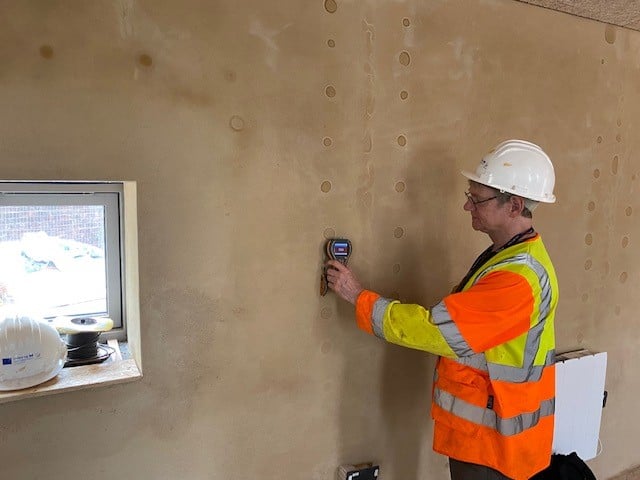
Technicians use moisture meters and thermal imaging to locate water migration paths behind walls.
This identifies:
- How far moisture has spread
- Which materials are affected
- The depth of saturation
2. Controlled Access (If Necessary)
In some cases, small access points are created at baseboard level to allow airflow into the cavity. This is done strategically to minimize disruption.
3. Air Movement Inside Wall Cavities
Specialized air movers are positioned to force air into the wall cavity, accelerating evaporation inside enclosed spaces.
4. Commercial Dehumidification
Low Grain Refrigerant (LGR) dehumidifiers extract moisture from the air continuously, encouraging materials to release trapped water.
5. Daily Monitoring
Moisture readings are tracked to ensure drying progresses steadily and evenly.
6. Final Verification
Drying continues until structural materials return to safe moisture levels for Florida climate conditions.
This systematic approach prevents incomplete drying — one of the most common causes of recurring damage.
What Influences Structural Dryout Time
Several factors affect how long a structural dryout takes in Melbourne:
Type of Materials
- Drywall dries faster than hardwood framing
- Insulation may need removal if heavily saturated
- Tile over slab can slow moisture release
Duration of Exposure
The longer moisture remains undetected, the deeper it penetrates.
Weather Conditions
High outdoor humidity during storm season can slow evaporation, requiring extended equipment operation.
Size of Affected Area
A single wall section differs significantly from multiple rooms or interconnected cavities.
Most residential structural dryouts in Melbourne take between 3 and 10 days, depending on severity.
Why Structural Dryouts Protect Property Value
Behind-the-wall moisture impacts more than just drywall.
It can lead to:
- Warped framing
- Compromised insulation performance
- Flooring instability
- Indoor air quality shifts
- Increased long-term repair costs
By addressing moisture early, structural dryouts prevent the need for extensive reconstruction later.
Drying structural components thoroughly stabilizes the building envelope and preserves material strength.
Hidden Sources That Often Cause Behind-the-Wall Moisture
In Melbourne properties, common sources include:
- AC drain line clogs
- Minor roof flashing failures
- Plumbing joints inside walls
- Window seal breakdowns
- Hurricane wind-driven rain
- Slab edge seepage
Many of these sources introduce water slowly, making detection more difficult.
That’s why professional evaluation is critical when symptoms appear.
Preventing Future Behind-the-Wall Moisture Issues
Once a structural dryout is complete, prevention becomes the priority.
Maintain AC Systems
Ensure drain lines and condensate pans remain clear.
Inspect After Heavy Rain
Even minor roof vulnerabilities can introduce hidden moisture.
Monitor Indoor Humidity
Keep levels between 45% and 55%.
Schedule Routine Moisture Checks
Periodic inspections catch small issues before they spread behind walls.
Address Plumbing Repairs Promptly
Small leaks inside walls often cause the most expensive long-term damage.
Why Local Experience Makes a Difference in Melbourne
Drying behind interior walls in Florida requires understanding how coastal humidity interacts with building materials.
Professionals must recognize:
- How slab foundations hold moisture
- How Florida framing responds to humidity
- How insulation traps damp air
- How storms influence moisture migration patterns
A drying approach used in dry climates doesn’t apply here.
Inspections and More FL works throughout Melbourne, Palm Bay, Merritt Island, Cocoa, Sanford, and surrounding areas. Experience with Florida’s environmental conditions allows accurate diagnosis and effective structural drying.
A Practical Step Forward
If you suspect moisture behind interior walls in your Melbourne home, don’t rely on surface appearance alone.
Structural dryouts are about restoring what you can’t see — the framing, insulation, and drywall integrity inside the wall cavity.
Acting early protects your property, preserves materials, and prevents long-term complications caused by hidden moisture in Florida’s humid climate.
A professional evaluation ensures your home is truly dry — not just on the surface, but where it matters most.
