
Behind Interior Walls in Palm Bay: A Closer Look at Anti-Microbial Fogging
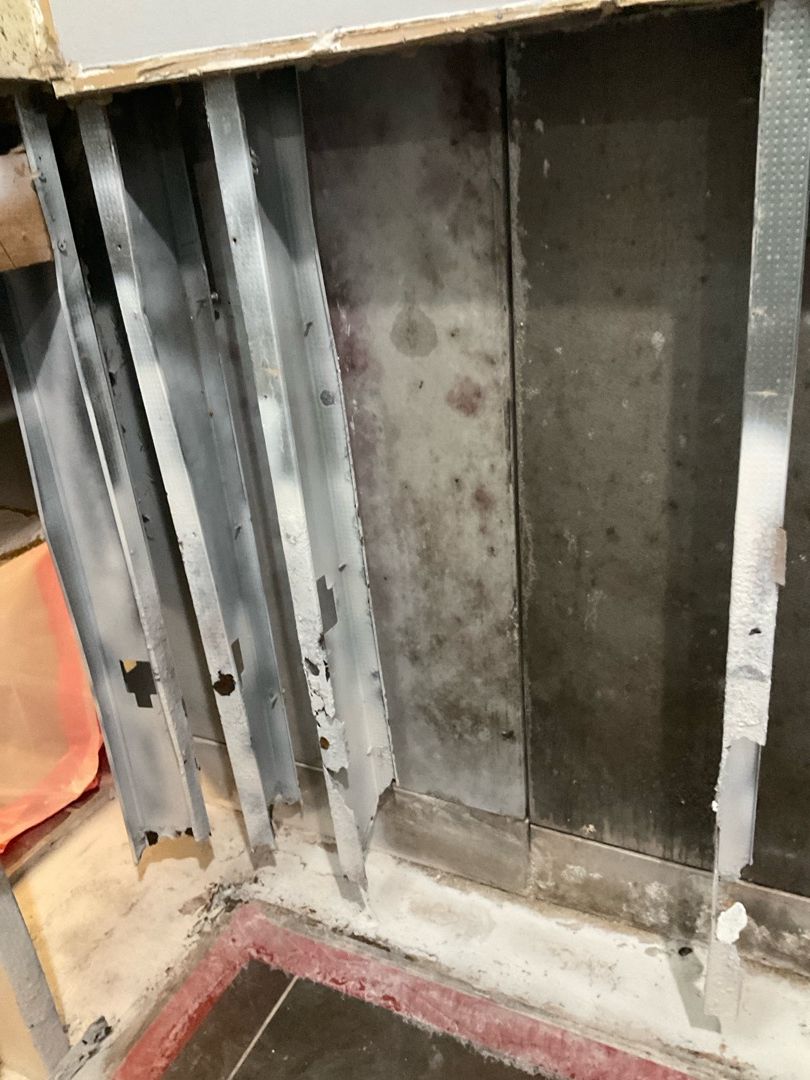 In Palm Bay, moisture has a way of finding the spaces you never see.
Between heavy summer rainstorms, coastal humidity, AC condensation, and the occasional plumbing leak, interior wall cavities often become quiet holding areas for damp air and trapped moisture. And when moisture lingers behind drywall, microbial growth can follow.
Homeowners usually notice the symptoms first:
- A musty smell that won’t go away
- Paint that bubbles or peels
- Drywall that feels soft in certain areas
- Recurring mold in the same room
But the real activity may be happening behind the walls.
One of the tools sometimes used during remediation in Palm Bay homes is anti-microbial fogging. Let’s take a closer look at what it is, when it’s appropriate, and why it’s never a shortcut for proper mold removal.
Why Moisture Builds Up Behind Walls in Palm Bay
Interior walls in Palm Bay homes face constant environmental stress.
Coastal Humidity
Humidity levels stay elevated most of the year. Even when windows and doors are closed, moisture infiltrates through tiny gaps in construction materials.
Wind-Driven Rain
Storm systems regularly push rain horizontally, forcing water into:
- Window frames
- Exterior wall penetrations
- Roof-to-wall connections
Moisture can enter without leaving obvious stains.
AC Condensation
HVAC systems run nearly nonstop in summer. If condensate drain lines clog or ducts sweat inside walls, moisture accumulates slowly and consistently.
Plumbing Leaks
Small supply line or drain leaks inside wall cavities often go unnoticed for weeks.
Homes in Cocoa, Merritt Island, and Melbourne deal with similar conditions, but Palm Bay’s mix of slab construction and high water table conditions makes moisture migration especially common in lower wall framing.
What Happens Inside a Damp Wall Cavity
Wall cavities are dark, enclosed, and poorly ventilated. When moisture enters, it often stays.
Inside a typical wall cavity you’ll find:
- Wood studs
- Insulation
- Drywall backing
- Electrical wiring
If wood framing absorbs moisture and remains damp, microbial growth can begin.
Over time, mold colonies may:
- Spread along studs
- Attach to insulation
- Affect drywall from the inside out
That’s why early detection and proper remediation matter.
What Anti-Microbial Fogging Actually Is
Anti-microbial fogging involves dispersing a fine mist of EPA-registered antimicrobial solution into a contained space.
The goal is to:
- Treat exposed surfaces
- Reduce microbial activity
- Address areas difficult to reach manually
The fog creates tiny droplets that settle onto surfaces inside cavities.
However, it’s important to understand something clearly:
Fogging does not replace physical mold removal.
It is a supplemental step used in conjunction with proper remediation procedures.
When Fogging May Be Appropriate Behind Walls
In Palm Bay homes, anti-microbial fogging may be used:
- After contaminated drywall is removed
- After structural framing is cleaned
- In contained wall cavities during remediation
- To treat areas where surface access is limited
It may also be used as part of a broader moisture stabilization process after:
- Roof leaks
- Plumbing failures
- Storm intrusion
Fogging is most effective when moisture has already been controlled.
Applying antimicrobial solutions to wet materials does not solve the root issue.
Why Fogging Alone Is Not Enough
One of the biggest misconceptions homeowners have is that fogging “kills mold” and ends the problem.
Mold growth must be:
- Physically removed
- Contained properly
- Dried thoroughly
- Stabilized structurally
Fogging does not remove mold colonies embedded in porous materials like wood or insulation.
If moisture remains active behind the wall, mold will likely return.
That’s why professional remediation always starts with moisture source correction.
What a Proper Evaluation Includes
Before anti-microbial fogging is even considered, a structured inspection determines:
- Where moisture is present
- Whether mold growth is active
- How far contamination has spread
- What structural materials are affected
This evaluation typically includes:
Visual Inspection
Identifying discoloration, staining, or drywall deterioration.
Moisture Meter Testing
Measuring moisture levels in studs and drywall.
Thermal Imaging
Locating hidden moisture pockets behind walls.
Humidity Monitoring
Confirming indoor relative humidity remains in safe ranges (45%–55%).
At Inspections and More FL, we often find that behind-wall moisture has been present longer than homeowners realized — especially in coastal neighborhoods near the Indian River.
The Proper Behind-Wall Remediation Process
When mold is found inside walls in Palm Bay, remediation typically follows these steps:
1. Containment
Plastic barriers and negative air machines prevent spores from spreading into living spaces.
2. Controlled Material Removal
Affected drywall and insulation are carefully removed.
3. HEPA Vacuuming
Surfaces are vacuumed to remove loose spores.
4. Surface Cleaning
Framing is treated with appropriate antimicrobial solutions.
5. Thorough Drying
Air movers and dehumidifiers stabilize moisture levels.
6. Anti-Microbial Fogging (If Appropriate)
Fogging may be used to treat enclosed surfaces within contained areas.
7. Moisture Source Repair
Roof flashing, plumbing leaks, AC condensate lines, or window seals are corrected.
Fogging becomes part of a comprehensive solution — not a standalone fix.
Challenges Unique to Palm Bay Homes
Anti-microbial fogging in Palm Bay must account for:
High Ambient Humidity
Moisture must be controlled before fogging for treatment to be effective.
Slab Construction
Limited airflow in lower walls can prolong drying.
Salt Air Effects
Coastal exposure weakens sealants and exterior materials, increasing future intrusion risk.
Recurrent Storm Activity
Remediation plans must anticipate future heavy rainfall events.
Without understanding these local environmental patterns, remediation may overlook critical risk factors.
Preventing Behind-Wall Moisture Issues
After remediation and fogging, prevention focuses on moisture management.
Maintain Roofing Systems
Inspect after storms and repair minor damage quickly.
Check Window and Door Seals
Reseal exterior penetrations annually.
Service HVAC Systems
Clear condensate lines and inspect duct insulation.
Monitor Indoor Humidity
Keep levels below 60% year-round.
Inspect Plumbing Regularly
Check under sinks and around water supply lines.
Homes in Palm Bay benefit from routine moisture evaluations, especially during and after hurricane season.
Why Local Experience Matters
Behind-wall mold in Palm Bay behaves differently than in dry regions.
Professionals must understand:
- Coastal humidity cycles
- Wind-driven rain patterns
- AC condensation behavior
- Slab foundation moisture movement
- Salt air material degradation
Without local knowledge, remediation strategies may be incomplete.
Inspections and More FL approaches anti-microbial fogging with a clear understanding of Palm Bay’s climate and construction styles, ensuring treatments are used appropriately and only when necessary.
A Practical Next Step for Palm Bay Homeowners
If you suspect moisture or mold behind interior walls, early evaluation is the most important step.
Anti-microbial fogging can be useful in certain scenarios — but only as part of a structured remediation plan that includes:
- Moisture detection
- Containment
- Physical removal
- Structural drying
- Source correction
Palm Bay’s climate isn’t changing.
Managing moisture correctly — especially behind walls — protects your home’s structure and prevents recurring problems.
If something feels persistent or unexplained, a professional evaluation provides clarity and helps determine whether targeted treatments like fogging are appropriate for your property.
